Ayurveda, a plain guide
Ayurveda is India's classical system of health: a way of reading the body through the doshas, digestion and daily rhythm. Here is what it teaches, and where the evidence stands.
The short answer
Ayurveda (Sanskrit ayus, life, and veda, knowledge) is the classical system of health of the Indian subcontinent. Its main texts, the Charaka Samhita and Sushruta Samhita, were compiled roughly two thousand years ago. It explains health as a balance of three doshas, strong digestion (agni) and a steady routine. In India it is a recognised and regulated system of medicine, but good scientific evidence exists for only a few of its treatments, and some products carry real safety risks.
In this guide
What Ayurveda is
Ayurveda is a complete way of thinking about the body, not a single remedy. It covers what to eat and when, how to sleep, how the seasons change us, how to recognise illness early and how to treat it. Its learning was carried for centuries in Sanskrit texts and passed from teacher to student. The three works most practitioners still study are the Charaka Samhita (internal medicine), the Sushruta Samhita (surgery) and Vagbhata's Ashtanga Hridaya, a later summary of both.
The classical texts divide the field into eight branches (ashtanga ayurveda): internal medicine, surgery, diseases of the head and senses, children's health, mental health, toxicology, rejuvenation (rasayana) and reproductive health (vajikarana). Most of what people meet today, from herbal tea to an oil massage, comes from the routine and rejuvenation side.
The core ideas, in brief
Everything in Ayurveda is built from the five great elements (pancha mahabhuta): space, air, fire, water and earth. In the body these combine into three working principles, the doshas. Vata moves, pitta transforms and kapha holds together. Each person is said to be born with a fixed mix of the three (prakriti), and illness begins when that mix drifts (vikriti). Our guide to vata, pitta and kapha explains them in full.
- Agni, the digestive fire, decides how well food becomes tissue. Weak agni is the root of many problems in the texts.
- Ama is the sticky, undigested residue that weak agni leaves behind.
- Dhatus are the seven tissues, built one from the next: plasma, blood, muscle, fat, bone, marrow and reproductive tissue.
- Malas are the body's wastes: urine, stool and sweat. Their regular, easy passage is a sign of health.
Good health is the three doshas in their natural proportion, steady agni, well-formed tissues and easy elimination, with a calm mind and senses.
These are traditional categories, not anatomical structures. They do not map onto modern physiology, and attempts to measure prakriti objectively are early and small.
Daily and seasonal routine
Much of Ayurveda is prevention through rhythm. Dinacharya, the daily routine, begins before sunrise: waking early, cleaning the teeth and tongue, oil pulling, a short oil massage (abhyanga), bathing, movement and meals at regular times, with the main meal at midday when digestion is said to be strongest. Ritucharya, the seasonal routine, adjusts food and habits through the six Indian seasons, from the dry heat of grishma to the rains of varsha and the cold of shishira. Start with our Ayurvedic morning routine for beginners.

Food and the six tastes
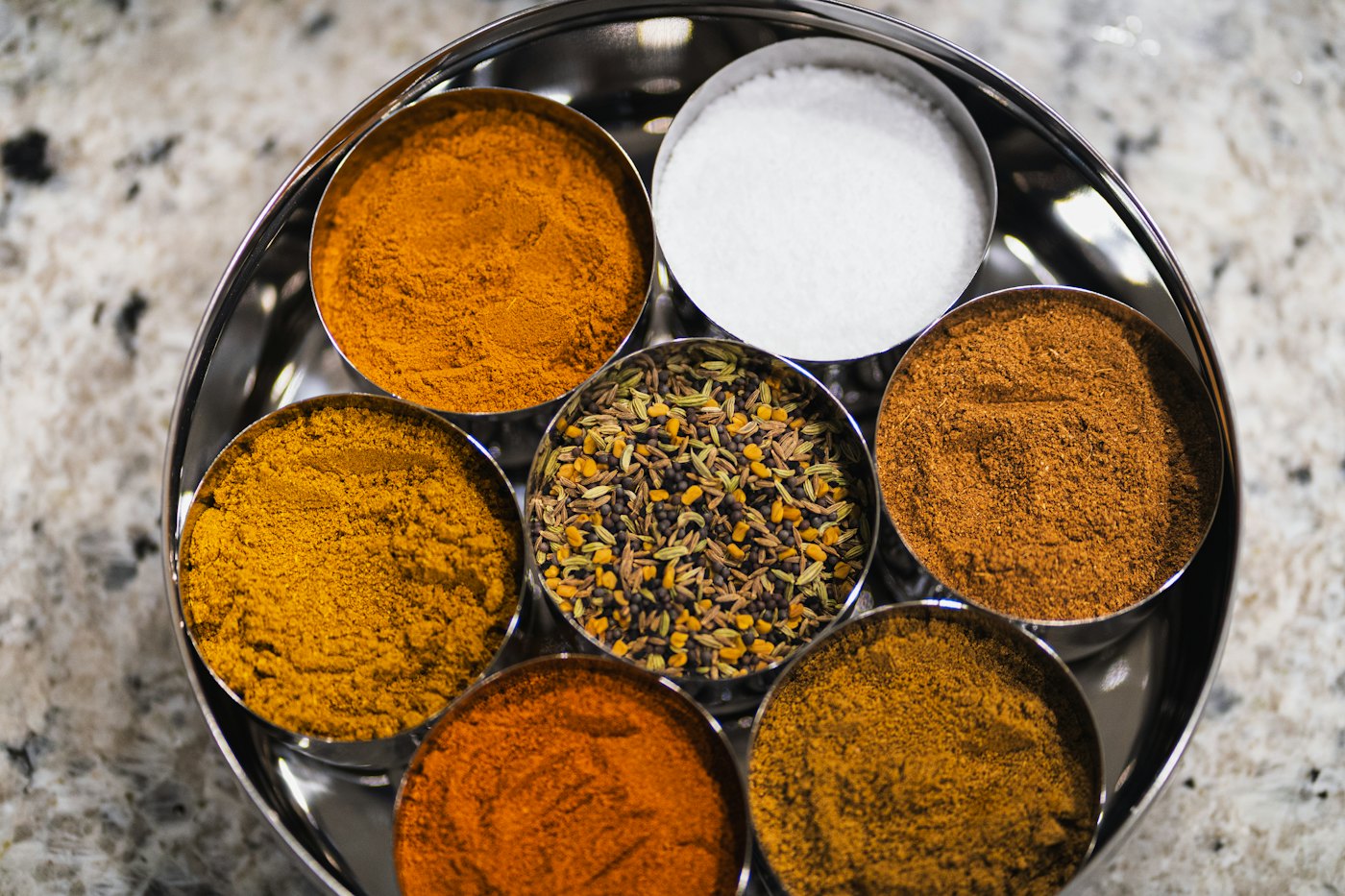
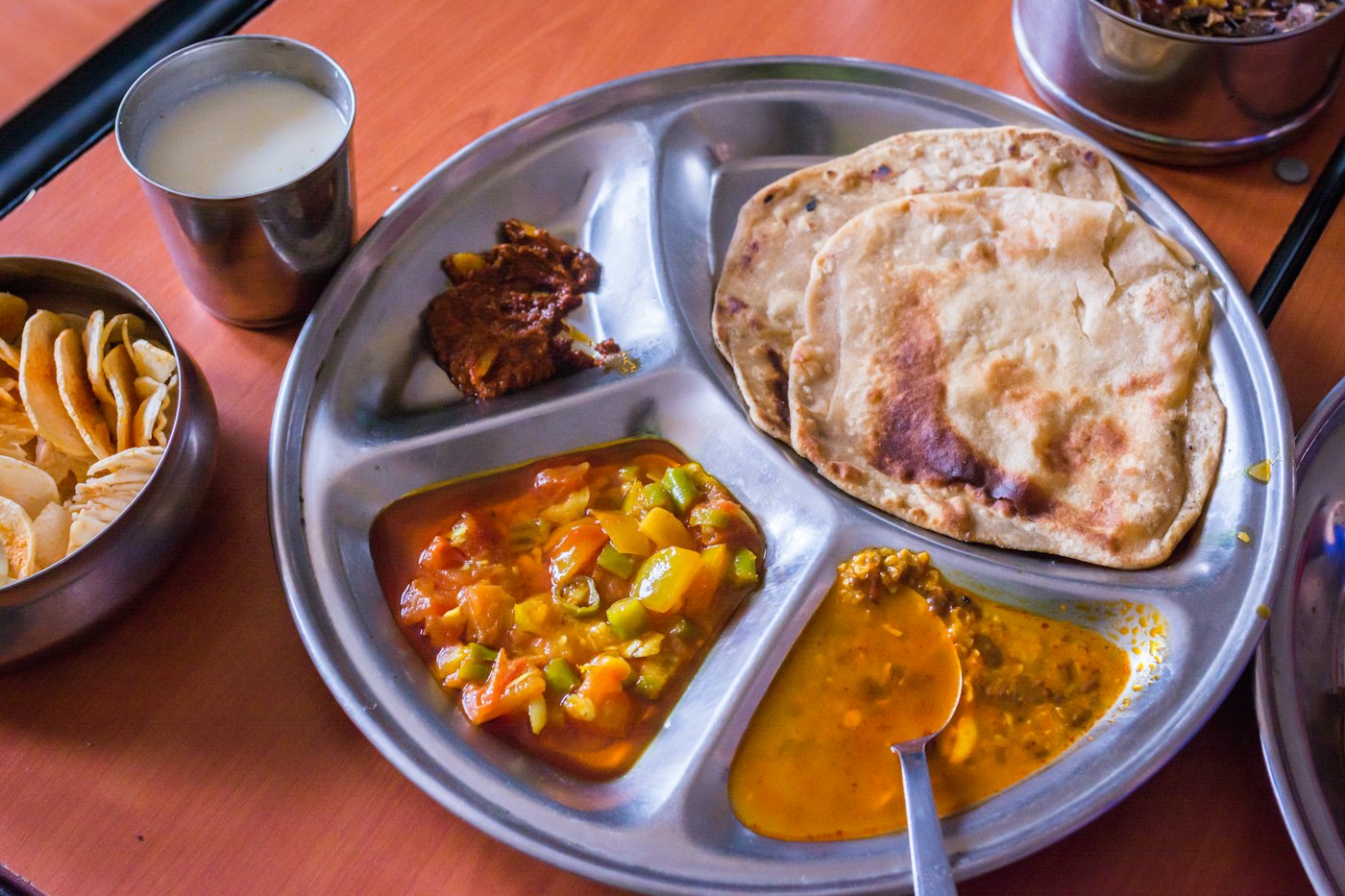
Ayurveda sorts food by six tastes (rasa): sweet, sour, salty, pungent, bitter and astringent. Each taste is said to raise some doshas and calm others, and a balanced meal includes all six. Food is also judged by its heating or cooling effect, its heaviness and how easily it digests. Our guide to Ayurvedic eating sets out the classical rules of a meal. Fresh, warm, cooked food eaten at regular times is the general advice. Ghee, rice, mung dal, seasonal vegetables and spices such as cumin, ginger and turmeric are staples of the Ayurvedic kitchen.
Common Ayurvedic herbs
Ayurvedic herbs are usually given in combinations, as powders (churna), decoctions (kashaya), medicated ghee or tablets. The table below covers six that readers ask about most. It describes traditional use and the state of research; it is not dosing advice.
| Herb | Traditional use | What research shows | Take care |
|---|---|---|---|
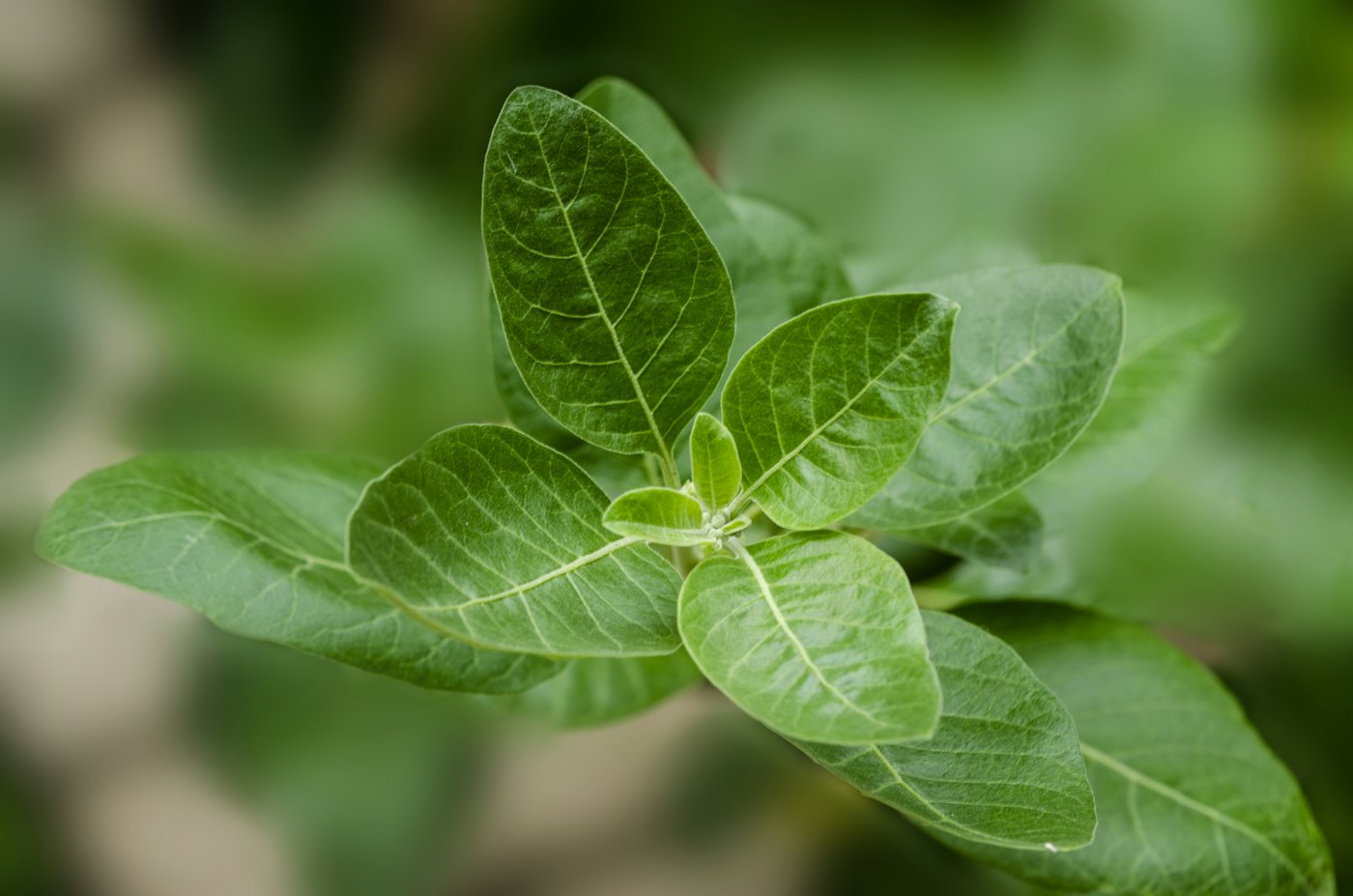
| Ashwagandha Withania somnifera | Rasayana for strength, stamina and sleep | Small trials suggest lower self-reported stress over weeks | Rare liver injury; avoid in pregnancy and with thyroid medicines unless a doctor agrees |
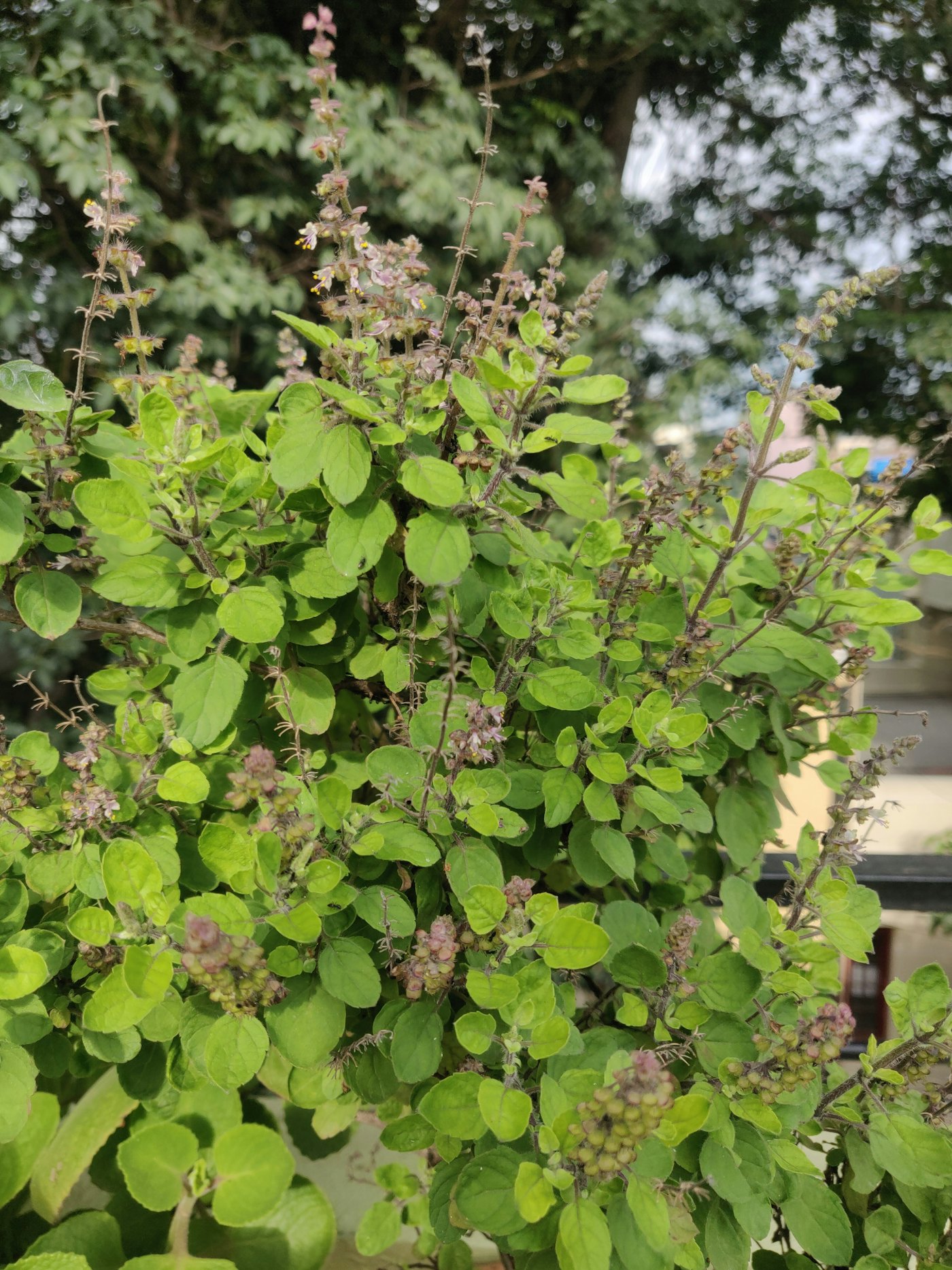
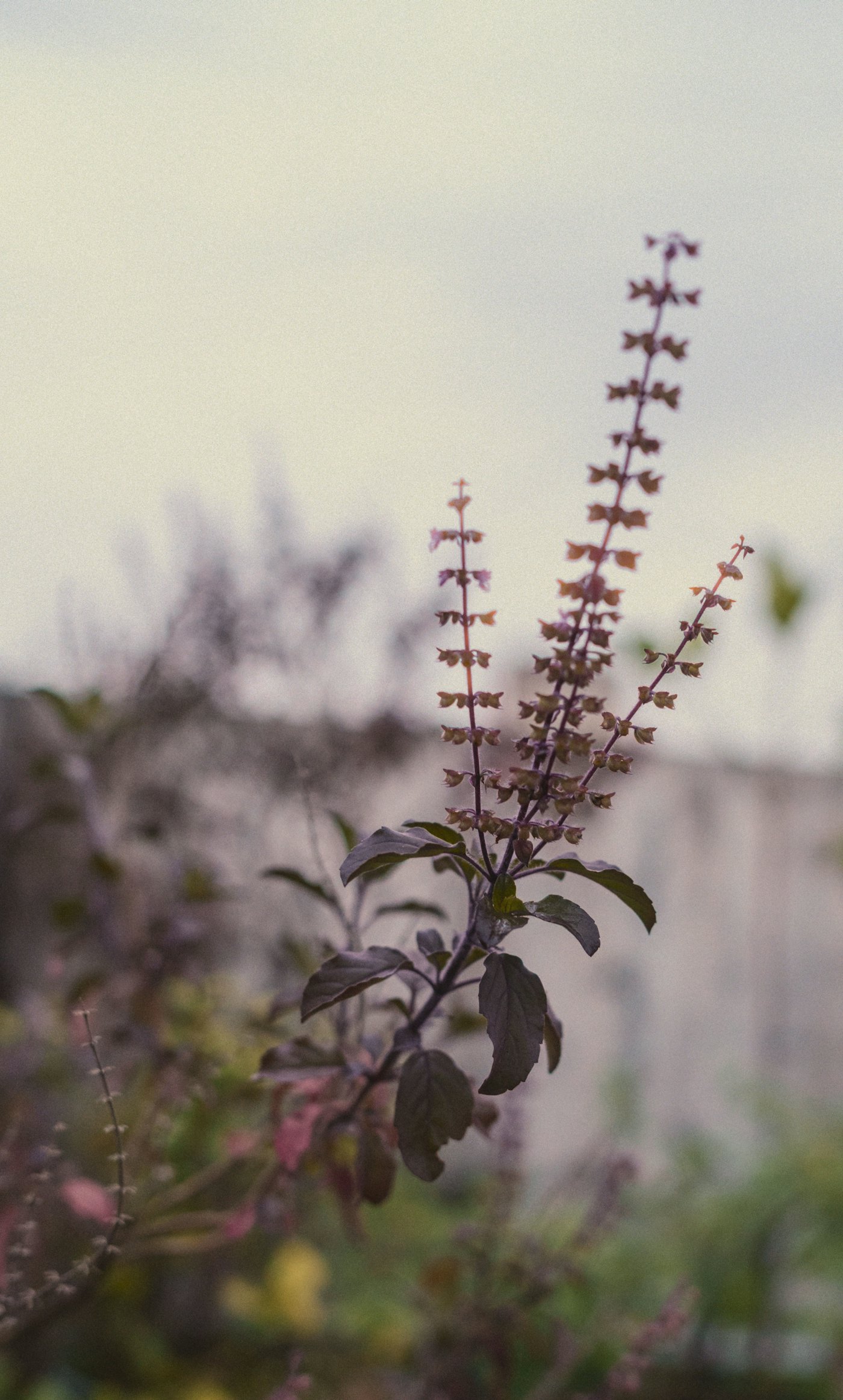
| Tulsi Ocimum tenuiflorum | Coughs, colds, a daily tea; sacred in Hindu homes | Few good-quality human trials | Talk to a doctor if you take diabetes or blood-thinning medicines |
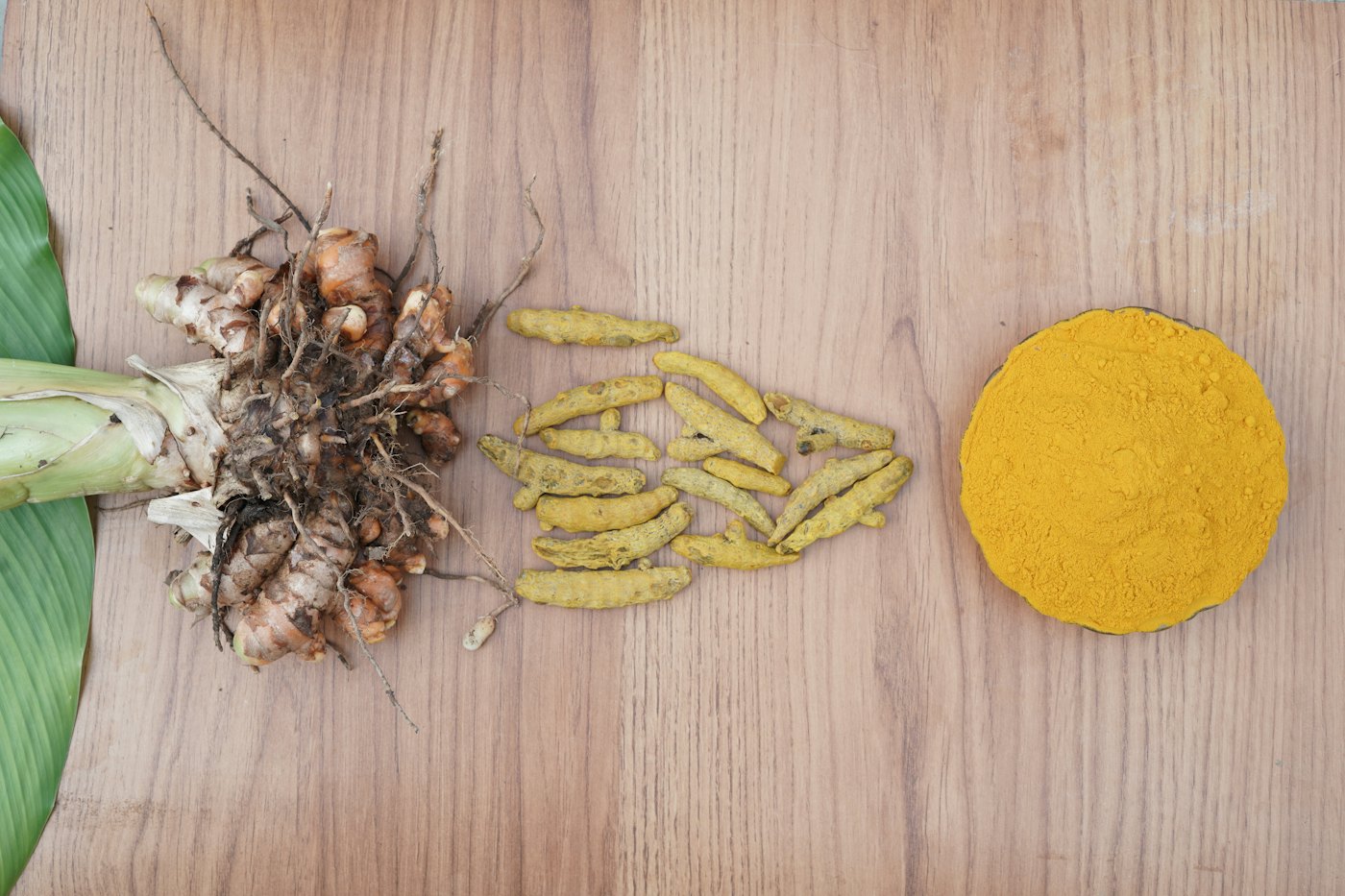
| Haridra (turmeric) Curcuma longa | Skin, joints, digestion, wound care | Curcumin is widely studied but poorly absorbed; results are mixed | High-dose supplements are linked to liver injury reports; interacts with blood thinners |
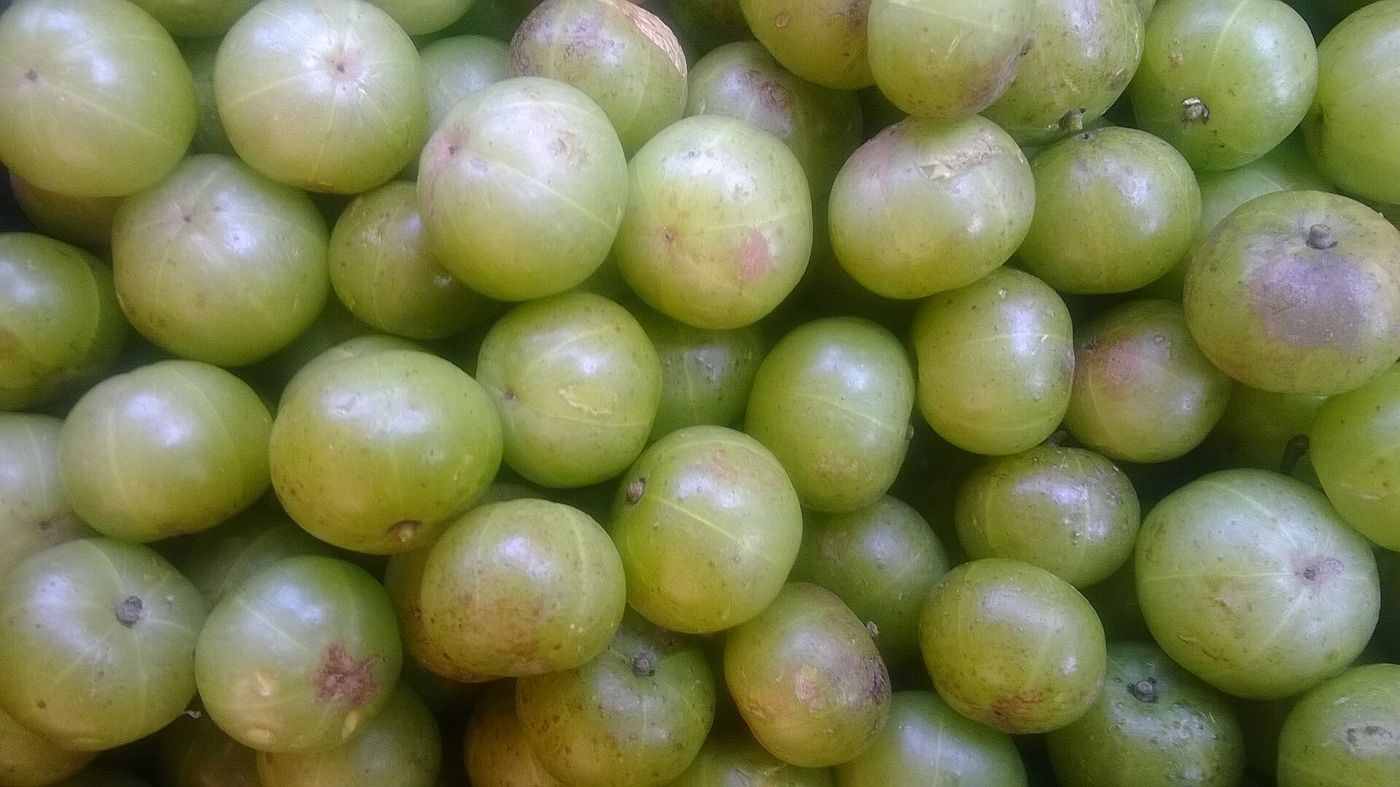
| Triphala | A blend of amalaki, bibhitaki and haritaki for digestion and regularity | Limited trials; mild laxative effect | Not for long-term use without advice |
| Brahmi Bacopa monnieri | Memory, learning and calm | Some trials show small memory effects in adults | Stomach upset is common |
| Guduchi (giloy) Tinospora cordifolia | Fevers and "immunity" | Little reliable human evidence | Cases of liver injury were reported in India during the COVID-19 period |
Two cautions apply to every herb. First, "natural" does not mean safe: herbs have real effects, side effects and interactions with medicines. Second, product quality varies. A study in JAMA in 2008 found lead, mercury or arsenic in about one in five Ayurvedic products bought online. Buy from makers who publish batch tests, and tell your doctor what you take.
Therapies
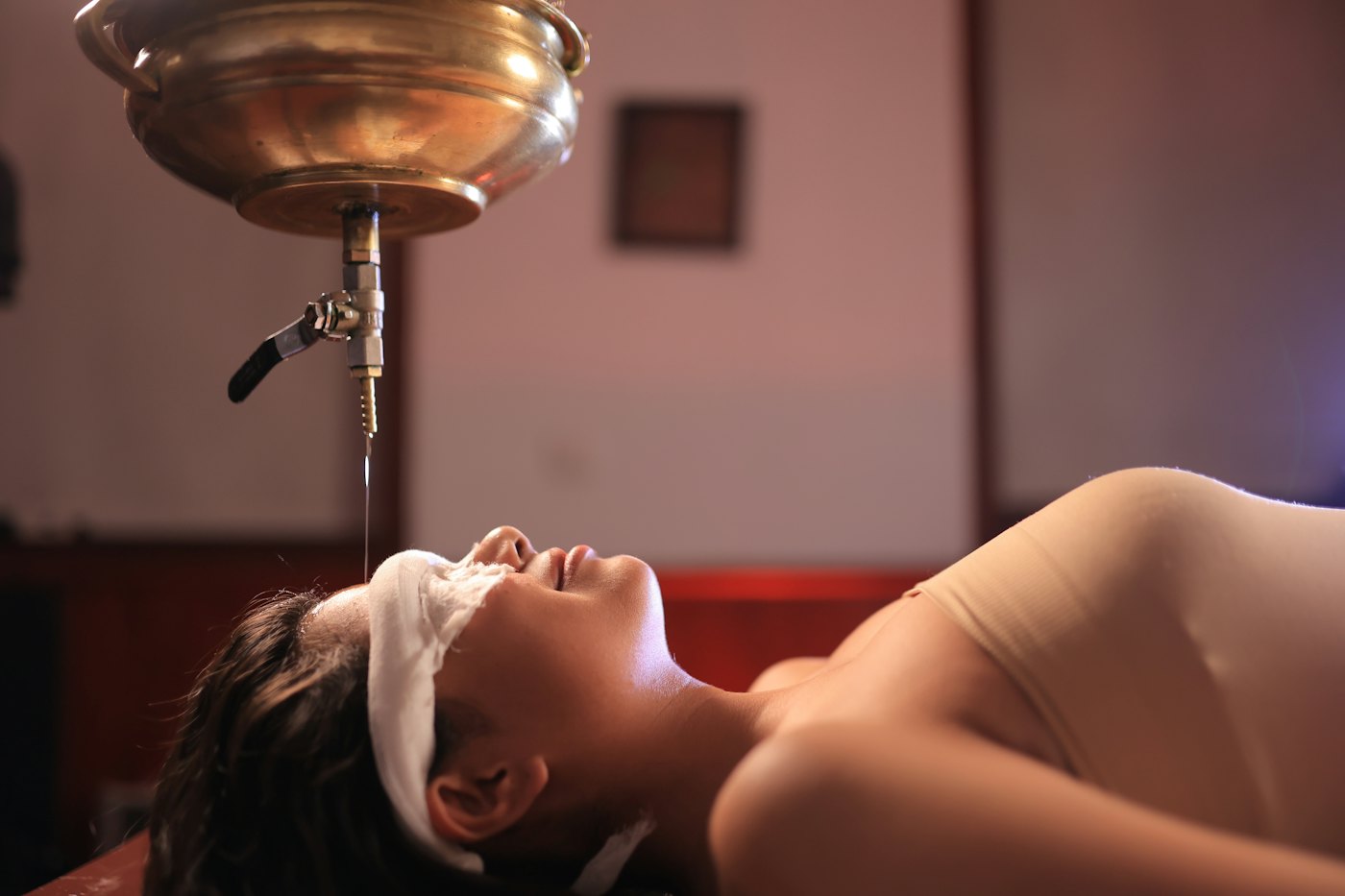
Ayurvedic therapy ranges from the everyday to the clinical. Abhyanga is a full-body oil massage, often done at home. Shirodhara pours a steady stream of warm oil over the forehead. Panchakarma, the "five actions", is an intensive cleansing course of induced vomiting, purgation, enemas, nasal treatments and, classically, bloodletting. It is done over days or weeks under supervision.
Panchakarma clears accumulated doshas and ama, and is followed by rasayana to rebuild strength. It should be done only in the right season and by a trained vaidya.
There are few rigorous trials of panchakarma. Purging and fasting carry real risks for older people, pregnant women and anyone with heart, kidney or eating problems. Choose a registered practitioner and a licensed centre.
Ayurveda in India today
In India, Ayurveda is a recognised system of medicine overseen by the Ministry of AYUSH, which also covers yoga, Unani, Siddha, Sowa-Rigpa and homoeopathy. Practitioners qualify through a five-and-a-half-year BAMS degree (Bachelor of Ayurvedic Medicine and Surgery) and register with state boards. Ayurvedic medicines are licensed as drugs. The Drugs and Magic Remedies (Objectionable Advertisements) Act, 1954, forbids advertisements that claim to cure a listed set of diseases, so a product that promises a cure is a warning sign.
What the evidence shows
Ayurveda has been studied for decades, but most trials are small, short or poorly controlled. The US National Center for Complementary and Integrative Health sums it up: a few Ayurvedic preparations show promise, and there is not enough good evidence for most. That does not make the tradition worthless. Its emphasis on regular sleep, fresh food, movement and attention to digestion fits well with ordinary health advice. It does mean that Ayurveda should sit beside modern medicine, not replace it, especially for serious illness.
Where to start
If you are new, read in this order: the three doshas, then the morning routine, then how Ayurveda says to eat. Before taking any herb, read choosing Ayurvedic medicines safely. The Sanskrit glossary explains every term on this page. Every Ayurveda guide on AYU4 is listed below, grouped by the question it answers.
Questions readers ask
Is Ayurveda scientifically proven?
Not as a whole system. A few preparations have encouraging trial results, but most treatments have not been tested in large, well-designed studies. AYU4 explains what the tradition says and, separately, what research has found.
Is Ayurveda safe?
Lifestyle advice such as regular meals, sleep and gentle oil massage is generally low-risk. Herbal medicines are a different matter: they can cause side effects, interact with prescribed drugs, and some products have been found to contain heavy metals. Use licensed products and tell your doctor what you take.
Can I take Ayurvedic medicines with my regular medicines?
Only after asking your doctor or pharmacist. Herbs such as turmeric, ashwagandha and guduchi can interact with blood thinners, thyroid, diabetes and immune-suppressing medicines. Never stop a prescribed medicine to try an Ayurvedic one.
What is a BAMS doctor?
A BAMS doctor holds a Bachelor of Ayurvedic Medicine and Surgery, a five-and-a-half-year degree including an internship, and registers with a state board. It is the standard qualification for practising Ayurveda in India.
Is Ayurveda the same as yoga?
No. They grew up together and share ideas, and both fall under India's Ministry of AYUSH. Ayurveda is a system of health and medicine. Yoga is a discipline of posture, breath and meditation aimed at the mind.
Sources
- Charaka Samhita, Sutrasthana (classical text on the principles of Ayurveda)
- Vagbhata, Ashtanga Hridaya, Sutrasthana
- NCCIH: Ayurvedic Medicine, In Depth
- Saper RB, et al. Lead, mercury and arsenic in US- and Indian-manufactured Ayurvedic medicines sold via the internet. JAMA, 2008
- Nagral A, et al. Herbal immune booster-induced liver injury in the COVID-19 pandemic: a case series. Journal of Clinical and Experimental Hepatology, 2021
- Ministry of AYUSH, Government of India
- The Drugs and Magic Remedies (Objectionable Advertisements) Act, 1954
A note on health. This guide explains a tradition. It is not medical advice, and nothing in it is a treatment for any disease. See a qualified doctor for symptoms, and do not stop or change a prescribed medicine on the strength of anything you read here. Full medical disclaimer.
Every Ayurveda guide
12 guides, grouped by the question they answer. Each one follows the same format: a short answer, the tradition beside the evidence, and its sources.
Start here
The two ideas everything else rests on: the doshas and the daily routine.
- Vata, Pitta and Kapha: Ayurveda's Three Doshas ExplainedThe three doshas are Ayurveda's way of describing how a body moves, transforms and holds together. Here is what the classical texts say, and where the evidence stands.
- An Ayurvedic Morning Routine for Beginners: Dinacharya in Seven Simple StepsSeven steps from the classical daily routine, what each is meant to do, what modern evidence says, and how to start with three.
Routine and food
Living by the day, the season and the meal.
- Ritucharya: Ayurveda's Seasonal Routine for India's Six SeasonsAyurveda divides the year into six seasons of two months and changes food, sleep and exercise with each. Here is the calendar, the reasoning behind it, and how to use it sensibly.
- The Ayurvedic Way of Eating: Agni, the Six Tastes and the Rules of a MealAyurveda cares as much about how and when you eat as about what. Here are the classical rules of a meal, the six tastes and incompatible foods, set beside what nutrition science says.
Herbs
Traditional use beside the trials, with the cautions that matter.
- Ashwagandha: Traditional Uses, What Studies Show and Who Should Avoid ItAshwagandha is Ayurveda's best-known rasayana, now sold worldwide for stress and sleep. Here is what the tradition says, what the trials found, and the cautions that come with it.
- Tulsi (Holy Basil): The Sacred Plant, Its Ayurvedic Uses and the EvidenceTulsi grows in a pot in millions of Indian courtyards. Here is what it means in worship and in Ayurveda, how to make tulsi tea, and what the research does and does not show.
- Turmeric (Haldi) in Ayurveda: Uses, Curcumin, Evidence and SafetyHaldi is in every Indian kitchen, at every wedding and in many Ayurvedic formulas. Curcumin capsules are a global business. Here is what is known, and what to watch for.
- Triphala: The Three Fruits, How It Is Used and What Is KnownTriphala, a powder of three dried fruits, is one of Ayurveda's most used formulas. Here is what goes into it, how it is taken, and what the limited research shows.
Therapies
From the morning mouth rinse to the clinic.
- Oil Pulling (Gandusha): How to Do It and What It Can and Cannot DoOil pulling, swishing oil round the mouth before breakfast, comes from Ayurveda's daily routine. Here is the method, what the dental research found, and its limits.
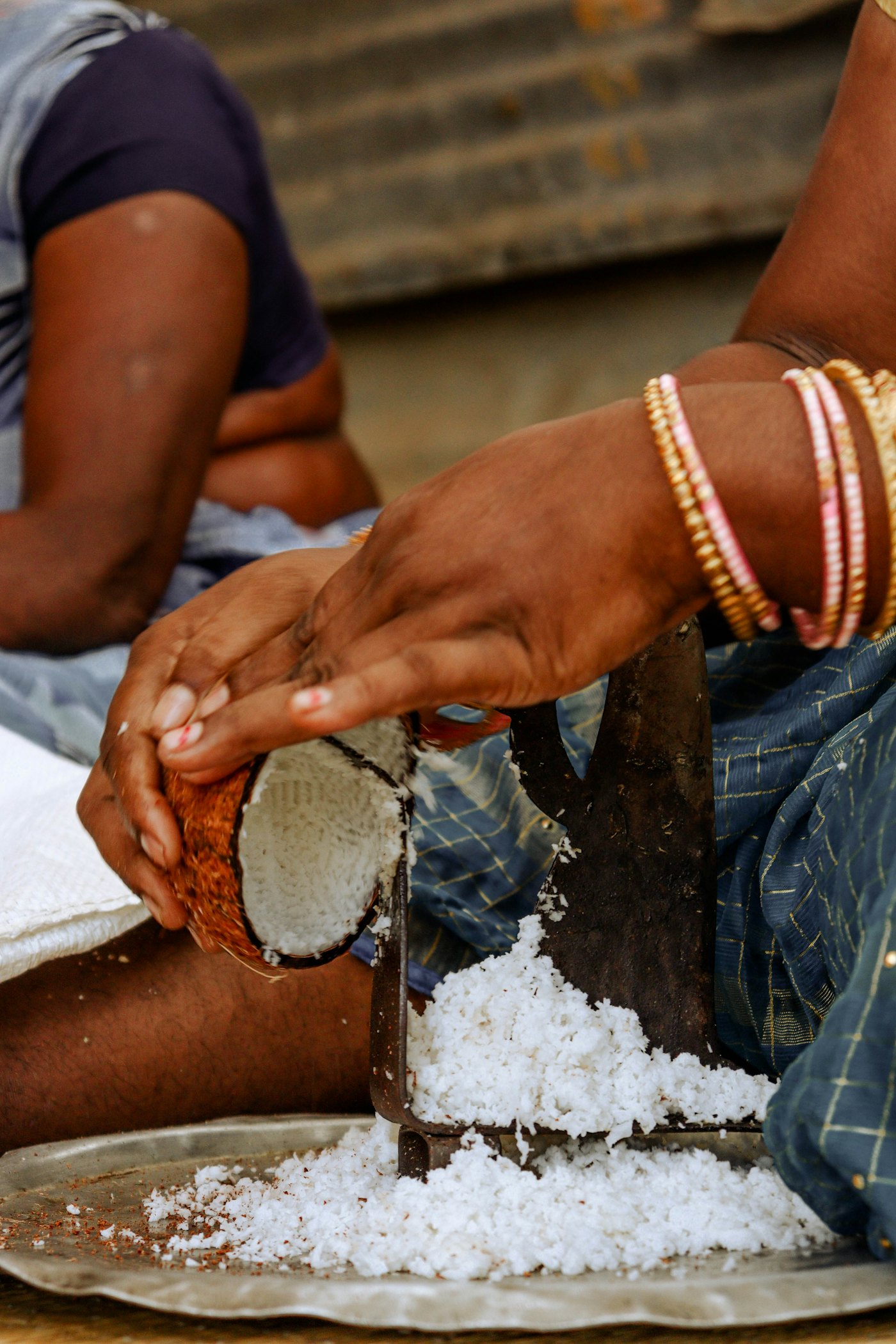
- Abhyanga and Shirodhara: Ayurveda's Oil Therapies ExplainedAbhyanga is a daily oil massage you can do at home; shirodhara is a stream of warm oil on the forehead, given in a clinic. Here is how each is done, and the evidence.
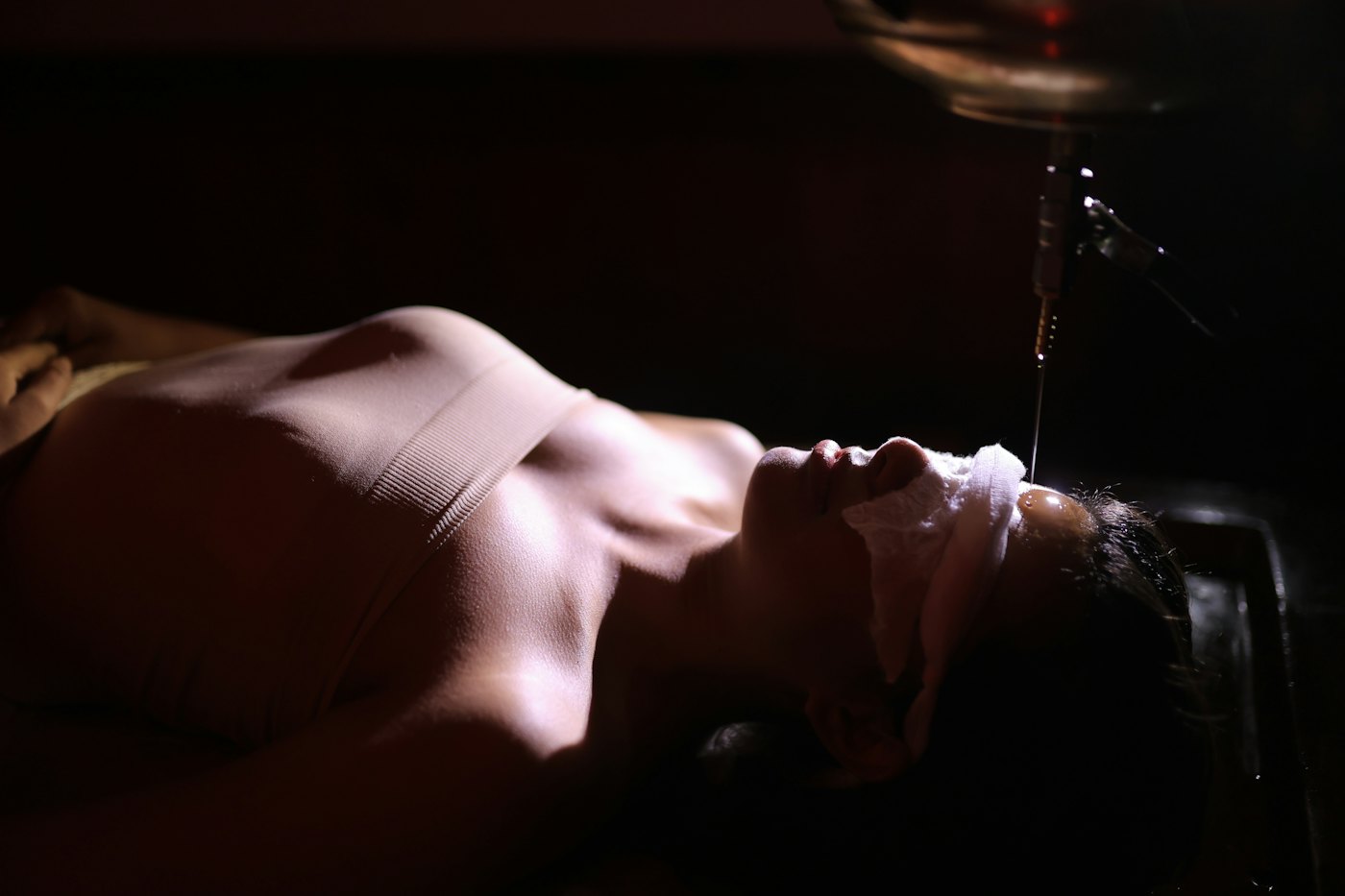
- Panchakarma Explained: The Five Therapies, What to Expect and the RisksPanchakarma is Ayurveda's intensive cleansing programme, now sold everywhere from hospitals to spas. Here is what the classical version involves, its risks, and how to choose a centre.
Safety
Labels, metals, liver injury and choosing a practitioner.