Turmeric, from kitchen to capsule
Haldi is in every Indian kitchen, at every wedding and in many Ayurvedic formulas. Curcumin capsules are a global business. Here is what is known, and what to watch for.
The short answer
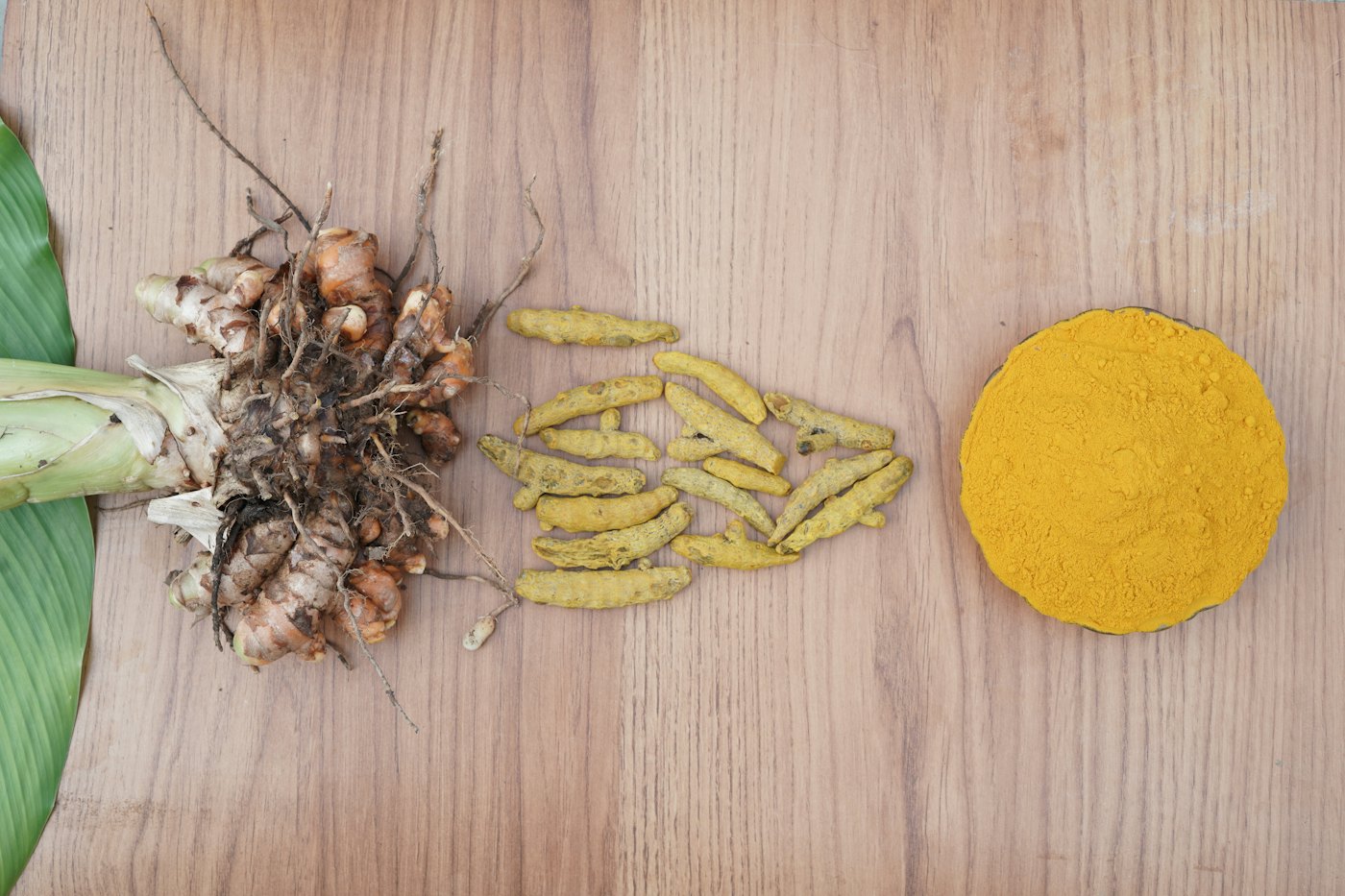
Turmeric (Curcuma longa, haldi, Sanskrit haridra) is a rhizome of the ginger family used in Indian cooking, rituals and Ayurveda for skin, wounds, digestion and joints. Its best-studied compound, curcumin, makes up only a few per cent of the powder and is poorly absorbed. Trials of curcumin show mixed results; the most consistent is a modest easing of knee osteoarthritis pain. Turmeric in food is safe for most people. High-dose supplements have been linked to liver injury, can interact with blood thinners, and loose powder is sometimes adulterated with lead chromate.
In this guide
Haldi in Indian life
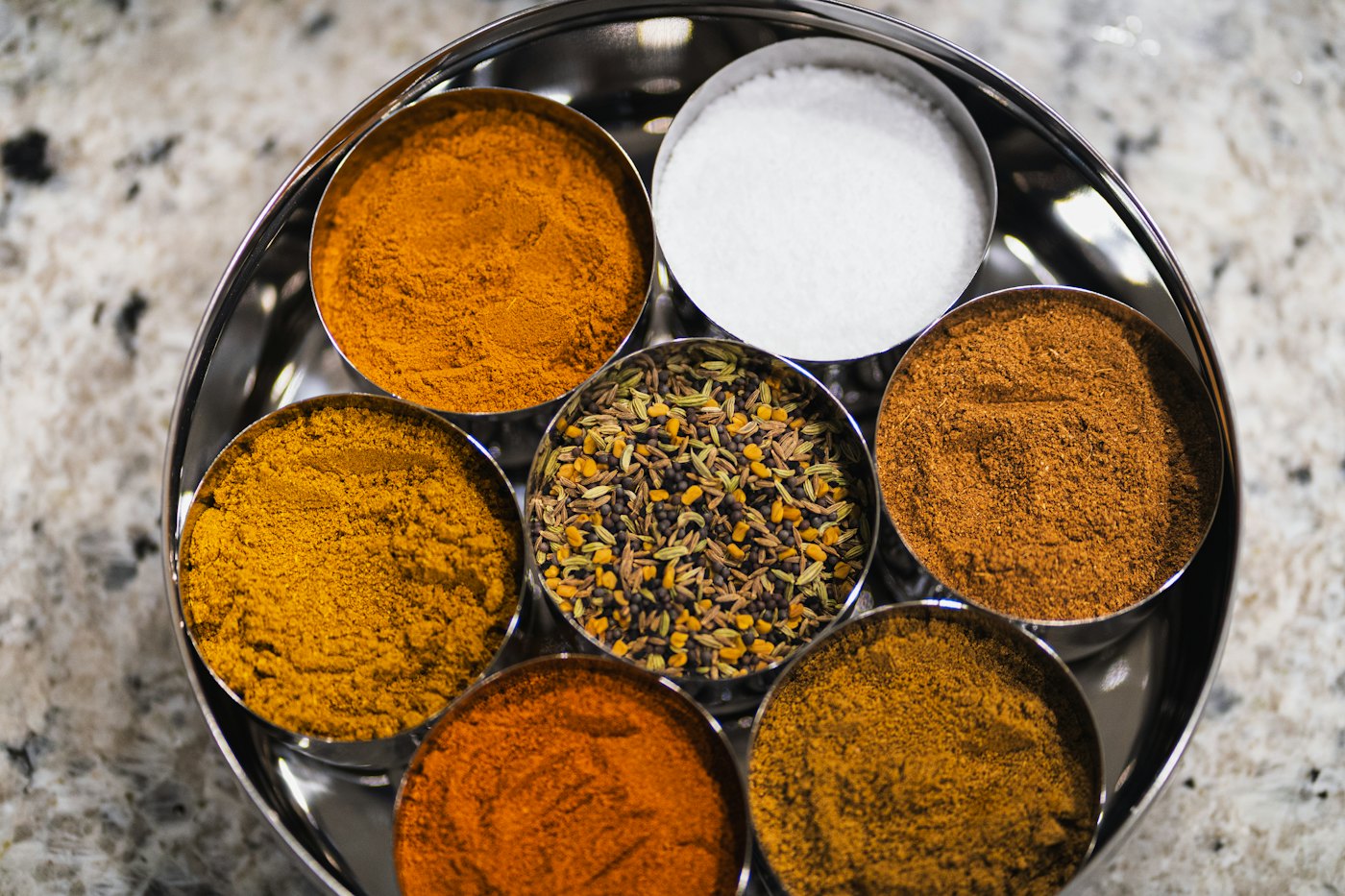
Turmeric is grown across India, with Telangana, Maharashtra, Tamil Nadu and Erode in particular known for it. The fresh rhizome is boiled, dried and ground into the yellow powder that colours dal and sabzi. It is smeared on the bride and groom at the haldi ceremony, applied to cuts as a paste, and stirred into warm milk as haldi doodh when someone has a cold.
What Ayurveda says
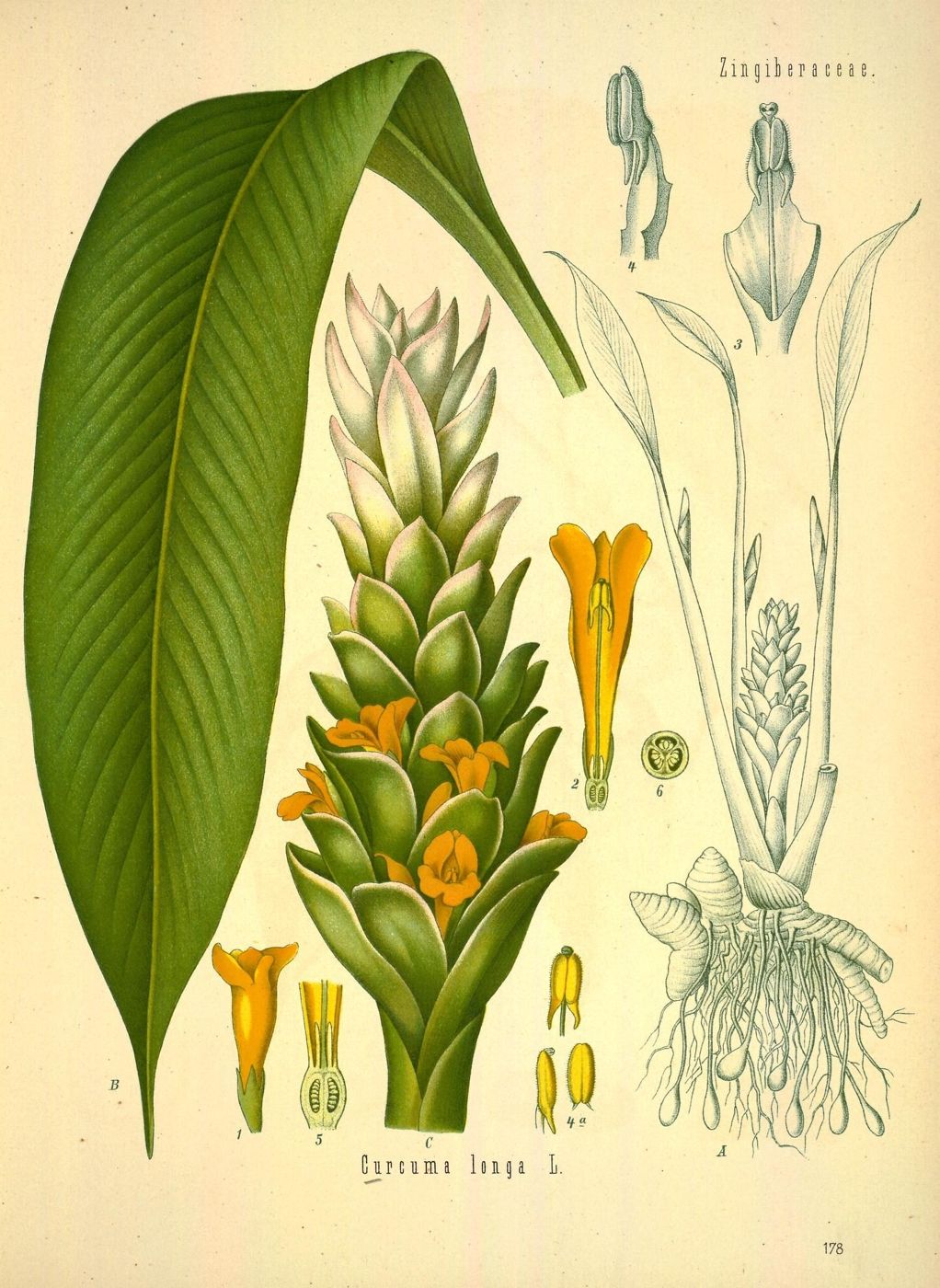
The texts call it haridra and describe it as bitter and pungent, dry and heating. It is used for skin conditions, wounds, diabetes-like conditions (prameha), coughs and digestion, and to purify the blood. It balances kapha in particular. It is an ingredient of formulas such as Haridra Khanda, and of many pastes for the skin.
Haridra cleanses the skin and blood, heals wounds, eases joint pain and helps digestion. It is taken with milk, ghee or honey, and used outside the body as a paste.
Curcumin has hundreds of laboratory studies, but most do not carry over to people. In trials, curcumin extracts modestly reduced knee osteoarthritis pain, roughly as much as common painkillers in some studies. For most other uses, including depression, diabetes and cancer, results are mixed or weak. A 2017 review in the Journal of Medicinal Chemistry warned that curcumin is unstable and poorly absorbed, and that many lab results are misleading.
Turmeric benefits: curcumin and absorption
Curcumin is around three per cent of turmeric powder by weight, so a teaspoon in a curry contains little. It is also absorbed poorly. Piperine, from black pepper, raised blood levels of curcumin many times over in a 1998 study, which is why supplements often add it, and why Indian cooking, which pairs turmeric with fat and pepper, may make some sense. Supplements now use much higher doses and absorption tricks than any kitchen could, and that is where most of the safety concerns sit.
Safety
- Food amounts are safe for most people.
- Liver injury: cases have been reported with turmeric and curcumin supplements, many of them with added piperine. Stop and see a doctor if you notice jaundice, dark urine or unusual tiredness.
- Blood thinners: high doses may add to the effect of warfarin and similar medicines.
- Gallstones and bile-duct problems: turmeric stimulates the gallbladder; ask first.
- Iron: large amounts may reduce iron absorption.
- Pregnancy: food amounts are fine; avoid supplements.
Adulterated powder
Loose turmeric is sometimes coloured to look brighter. A 2019 study in Bangladesh traced high blood-lead levels to lead chromate, a yellow industrial pigment, added to turmeric roots during polishing. Cases linked to imported turmeric have also been reported elsewhere. Buy packaged powder carrying an FSSAI licence number, or buy whole dried roots and grind them. Be wary of powder that is unusually bright or that stains water a strong yellow-orange.
See also how Ayurveda approaches food and our guide to choosing Ayurvedic medicines safely.
Questions readers ask
Is haldi doodh (turmeric milk) good for you?
It is a comforting traditional drink and safe for most people at kitchen amounts. It is not a treatment for colds or any illness.
Does black pepper help turmeric absorption?
Piperine from black pepper raised curcumin levels in the blood many times over in a 1998 study. That matters more for supplements than for food.
Are turmeric supplements safe?
Not for everyone. High-dose supplements, especially with added piperine, have been linked to liver injury, and they can interact with blood thinners. Ask your doctor first.
How can I tell if turmeric powder is adulterated?
You cannot tell reliably at home. Buy packaged powder with an FSSAI licence, or whole roots to grind yourself, and avoid unusually bright powder.
Does turmeric help arthritis?
Curcumin extracts modestly reduced knee osteoarthritis pain in several trials. It is not a cure, and you should discuss it with your doctor, especially if you take other medicines.
Sources
- NCCIH: Turmeric
- Nelson KM, et al. The essential medicinal chemistry of curcumin. Journal of Medicinal Chemistry, 2017
- Shoba G, et al. Influence of piperine on the pharmacokinetics of curcumin in animals and human volunteers. Planta Medica, 1998
- Forsyth JE, et al. Turmeric means “yellow” in Bengali: lead chromate pigments added to turmeric threaten public health across Bangladesh. Environmental Research, 2019
- LiverTox: Clinical and Research Information on Drug-Induced Liver Injury, National Institute of Diabetes and Digestive and Kidney Diseases (herbal and dietary supplement entries)
- Food Safety and Standards Authority of India (FSSAI)
A note on health. This guide explains a tradition. It is not medical advice, and nothing in it is a treatment for any disease. See a qualified doctor for symptoms, and do not stop or change a prescribed medicine on the strength of anything you read here. Full medical disclaimer.