Triphala, the three fruits
Triphala, a powder of three dried fruits, is one of Ayurveda's most used formulas. Here is what goes into it, how it is taken, and what the limited research shows.
The short answer
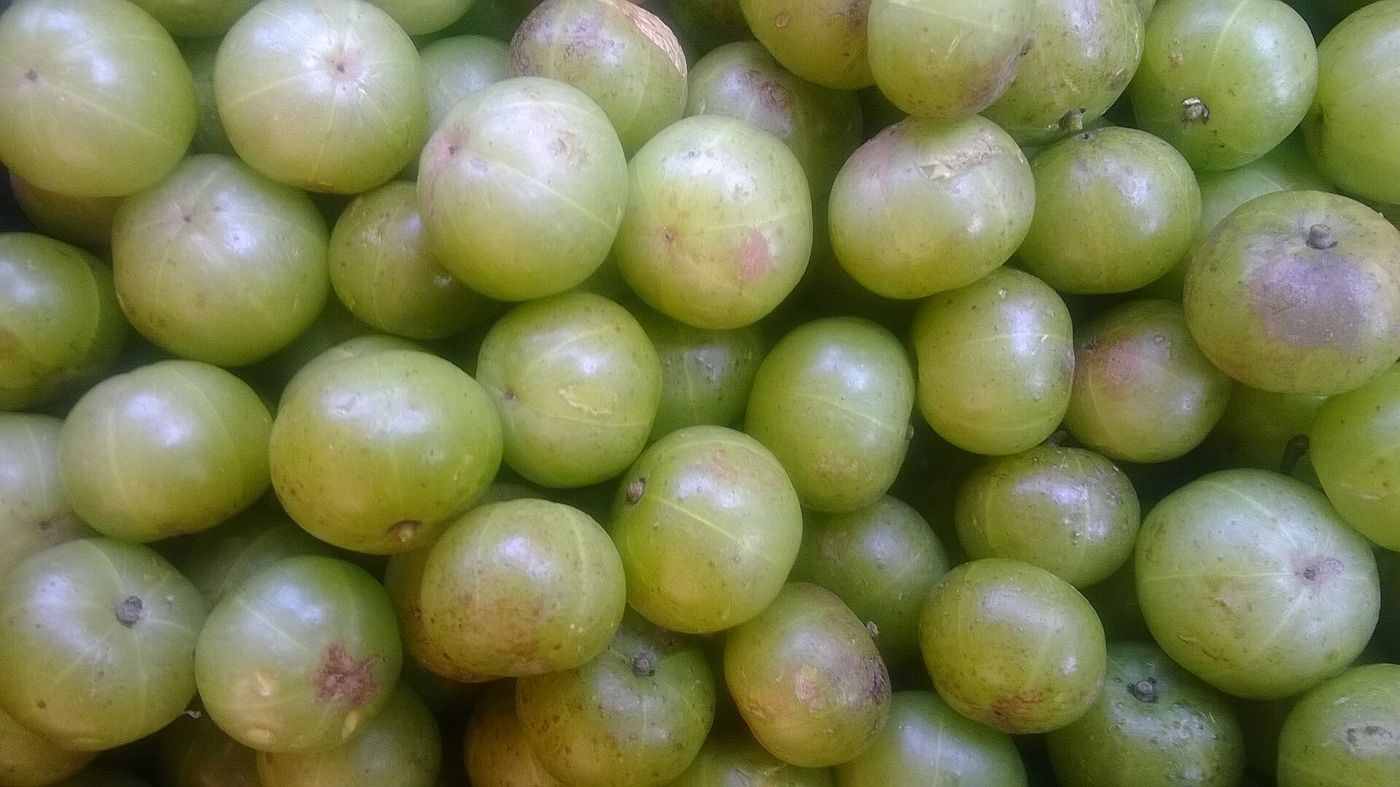
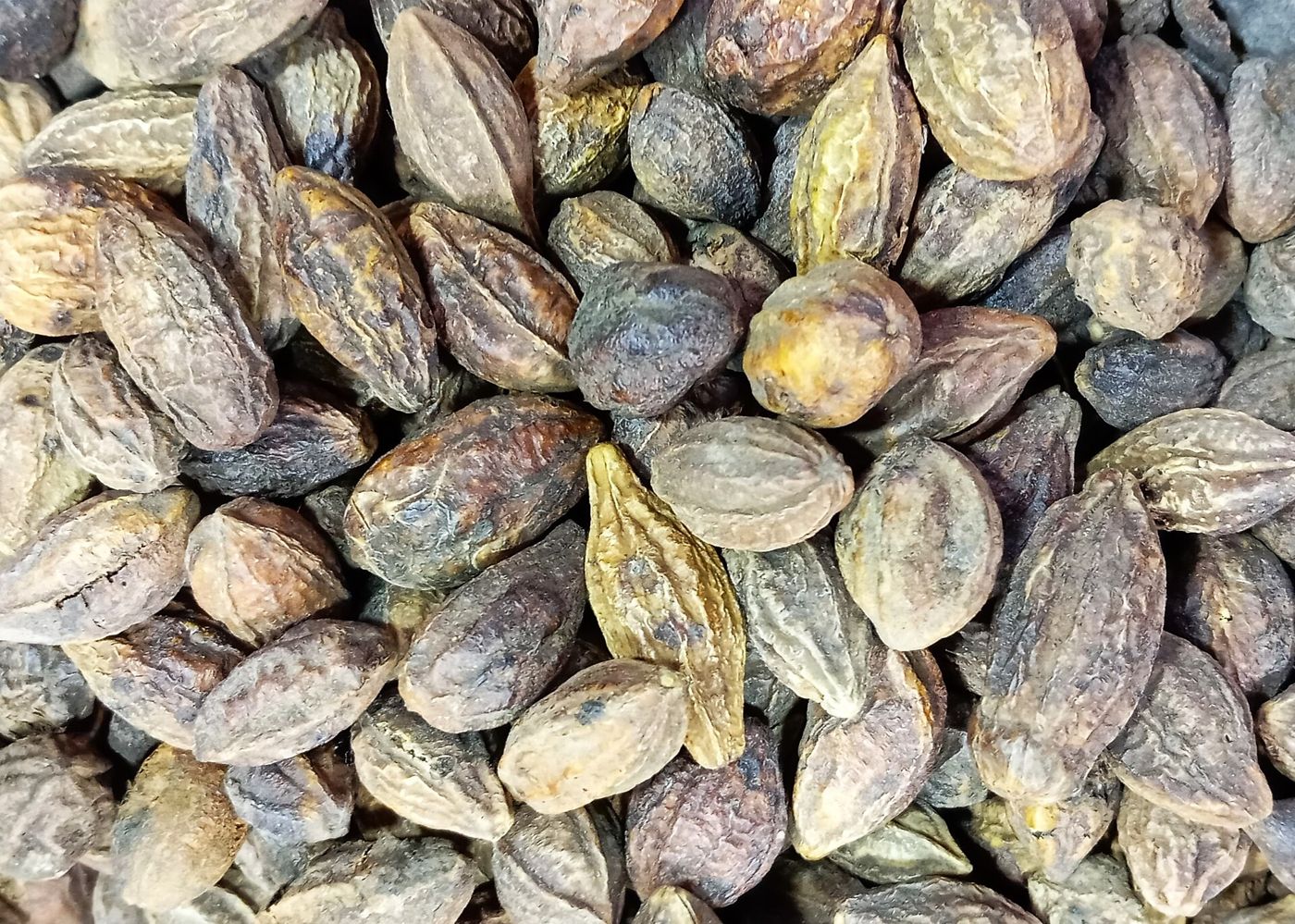
Triphala (“three fruits”) is a classical Ayurvedic powder of dried amalaki (amla, Phyllanthus emblica), bibhitaki (Terminalia bellirica) and haritaki (Terminalia chebula), usually in equal parts. Ayurveda uses it as a gentle bowel regulator and a rasayana for all three doshas. Small studies suggest a mild laxative effect and, as a mouthwash, less dental plaque; larger, well-run trials are lacking. It can cause loose stools and cramps, and should be avoided in pregnancy and checked with a doctor alongside regular medicines.
In this guide
The three fruits of triphala
| Fruit | Plant | Traditional character |
|---|---|---|
| Amalaki (amla) | Phyllanthus emblica, the Indian gooseberry | Sour and cooling; the classic rasayana, said to suit pitta. A rich source of vitamin C. |
| Bibhitaki (baheda) | Terminalia bellirica | Astringent; used for kapha conditions of the throat and chest. |
| Haritaki (harad) | Terminalia chebula | Five of the six tastes; the texts' favourite for vata and for regular bowels. |
The fruits are dried, de-seeded and ground. Together they are said to touch every dosha, which is why triphala is among the most widely used formulas in India, sold as powder (churna), tablets and decoctions.
How it is used
The common household use is a teaspoon of powder in warm water at bedtime, for regular bowels. It is also taken with honey or ghee as a tonic, used as a gargle, and in classical texts as an eyewash. Do not put home-made preparations in your eyes: unsterile liquids can cause serious infection.
Triphala cleanses gently without weakening, supports digestion and elimination, and rejuvenates. It is one of the few formulas the texts consider suitable for regular use.
A 2017 review in the Journal of Alternative and Complementary Medicine found mostly laboratory and animal work, with a handful of small human trials: a mild laxative effect, and less plaque and gum inflammation when used as a mouthwash. There is no reliable evidence that it “detoxifies” the body, aids weight loss or treats any disease.
Side effects and cautions
- Loose stools, cramps and wind, especially at first or at higher doses.
- Pregnancy and breastfeeding: avoid.
- Ongoing diarrhoea, inflammatory bowel disease or a recent change in bowel habit: see a doctor rather than self-treating. A lasting change in bowel habit needs to be checked.
- Medicines: it may affect how some drugs are absorbed; take it at a different time of day and tell your doctor.
- Long-term use: the texts allow it, but relying on any laxative every day is a reason to talk to a doctor.
Related: Ayurvedic eating, the morning routine and choosing Ayurvedic medicines safely.
Questions readers ask
What is triphala made of?
Equal parts of three dried fruits: amalaki (amla), bibhitaki (baheda) and haritaki (harad).
When should I take triphala?
Traditionally at bedtime in warm water, for regular bowels. Follow the label, and ask a doctor first if you take medicines.
Does triphala help with weight loss or detox?
There is no reliable evidence for either. Its best-supported effect is a mild laxative one.
Can I take triphala every day?
The texts allow regular use, but needing a laxative every day is worth discussing with a doctor, as is any lasting change in bowel habit.
Sources
- Peterson CT, Denniston K, Chopra D. Therapeutic uses of Triphala in Ayurvedic medicine. Journal of Alternative and Complementary Medicine, 2017
- Charaka Samhita, Sutrasthana and Vimanasthana. Classical text, c. 2nd century BCE to 2nd century CE in its received form
- Ayurvedic Formulary of India, Part I (Triphala Churna), Ministry of Health and Family Welfare
- Phyllanthus emblica, Plants of the World Online, Royal Botanic Gardens, Kew
A note on health. This guide explains a tradition. It is not medical advice, and nothing in it is a treatment for any disease. See a qualified doctor for symptoms, and do not stop or change a prescribed medicine on the strength of anything you read here. Full medical disclaimer.