The Navaratna gemstones
Jyotish links nine gems to the nine planets. Whether a gem changes your life is a question of belief; what the gem is, and whether it is treated, is a question a laboratory can answer.
The short answer
In Jyotish, Vedic astrology, nine gemstones (the Navaratna gemstones) are linked to the nine grahas, the planets and lunar nodes. An astrologer recommends a gem after reading the birth chart. No controlled study shows that wearing a gem changes life outcomes. A gem laboratory can, however, tell you exactly what a stone is: its species, whether it is natural or synthetic, and whether it has been treated. Those facts decide its price.
In this guide
What Jyotish says about gems
Jyotish reads a person's life from the positions of the nine grahas at the moment of birth. When a graha is weak or badly placed in the chart, an astrologer may suggest strengthening it with its gem, worn touching the skin, on a particular finger, set in a particular metal and first put on at an auspicious time. The idea is old. Gem lore appears in the Garuda Purana and in works such as Varahamihira's Brihat Samhita (6th century), and the nine-gem setting, with ruby at the centre for the Sun, is found across South and Southeast Asia.
A well-chosen gem strengthens a weak planet; a wrongly chosen one can do harm, which is why the tradition insists on a chart reading first. Smaller substitute stones (upratna) are allowed when the main gem is too costly.
There is no controlled evidence that wearing a gemstone changes health, wealth or relationships. The claim cannot be tested by a laboratory. What a laboratory can test is the stone itself.
The nine Navaratna gemstones at a glance
Each Navaratna gem is a real mineral or organic material with measurable properties. Knowing what each one is tells you what can go wrong when you buy it. Each gem name links to its own guide.
| Graha | Gem | What it is | Hardness | Watch for |
|---|---|---|---|---|
| Surya (Sun) | Ruby, manik | Red corundum | 9 | Lead-glass-filled "rubies", heating, synthetics |
| Chandra (Moon) | Pearl, moti | Nacre made by a mollusc | 2.5–4.5 | Cultured sold as natural; glass and plastic imitations |
| Mangal (Mars) | Red coral, moonga | Calcium carbonate skeleton of coral | 3–4 | Dyed, reconstituted and plastic imitations |
| Budha (Mercury) | Emerald, panna | Green beryl | 7.5–8 | Oil and resin filling of fractures, synthetics |
| Guru (Jupiter) | Yellow sapphire, pukhraj | Yellow corundum | 9 | Heating, beryllium diffusion, synthetics |
| Shukra (Venus) | Diamond, heera | Crystallised carbon | 10 | Undisclosed lab-grown diamonds, filled cracks |
| Shani (Saturn) | Blue sapphire, neelam | Blue corundum | 9 | Heating, diffusion, synthetics, glass |
| Rahu | Hessonite, gomed | Orange-brown grossular garnet | 6.5–7.5 | Glass imitations |
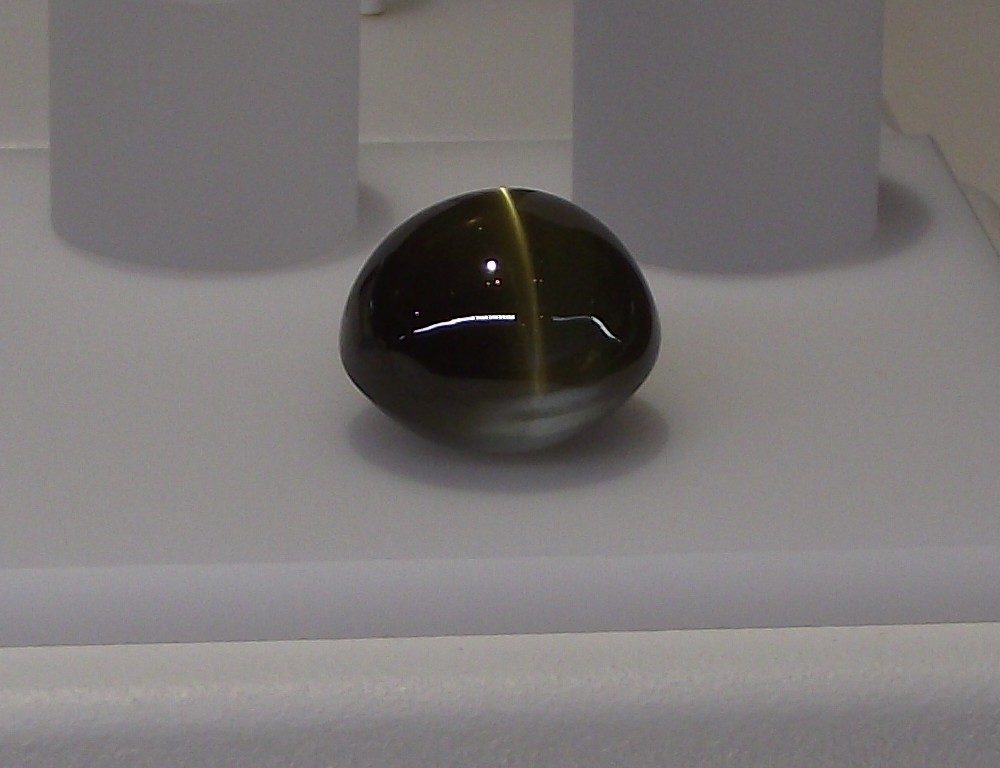
| Ketu | Cat's eye, lehsunia | Chrysoberyl with a cat's-eye effect | 8.5 | Quartz cat's eye and fibre-optic glass |
Hardness is on the Mohs scale. Pearl and coral are soft and organic: they scratch easily, dislike perfume and sweat, and should be put on last and taken off first.
Ratti and carat
Astrologers often prescribe a gem by weight in ratti, an old Indian unit based on the seed of the gunja plant. Sellers convert it differently: a ratti is most often taken as about 0.91 carat, but other conversions are used. Ask for the weight in carats, as printed on the laboratory report, so that prices can be compared.
What a gem laboratory can tell you
A gemmological report identifies the stone by measuring its refractive index, specific gravity and spectrum, and by looking at its inclusions under magnification. A good report states:
- Species and variety, for example "natural corundum, variety sapphire".
- Natural or synthetic. A synthetic stone has the same chemistry as a natural one but was grown in a laboratory, and costs far less.
- Treatment, such as heating, filling, oiling or diffusion. Treatment is common and acceptable when it is disclosed, but it changes the price a great deal.
- Weight, measurements and a photograph that match the stone you hold.
Read our guides on what a gemstone lab certificate shows, how to tell whether a gem is natural and how to verify a report online.
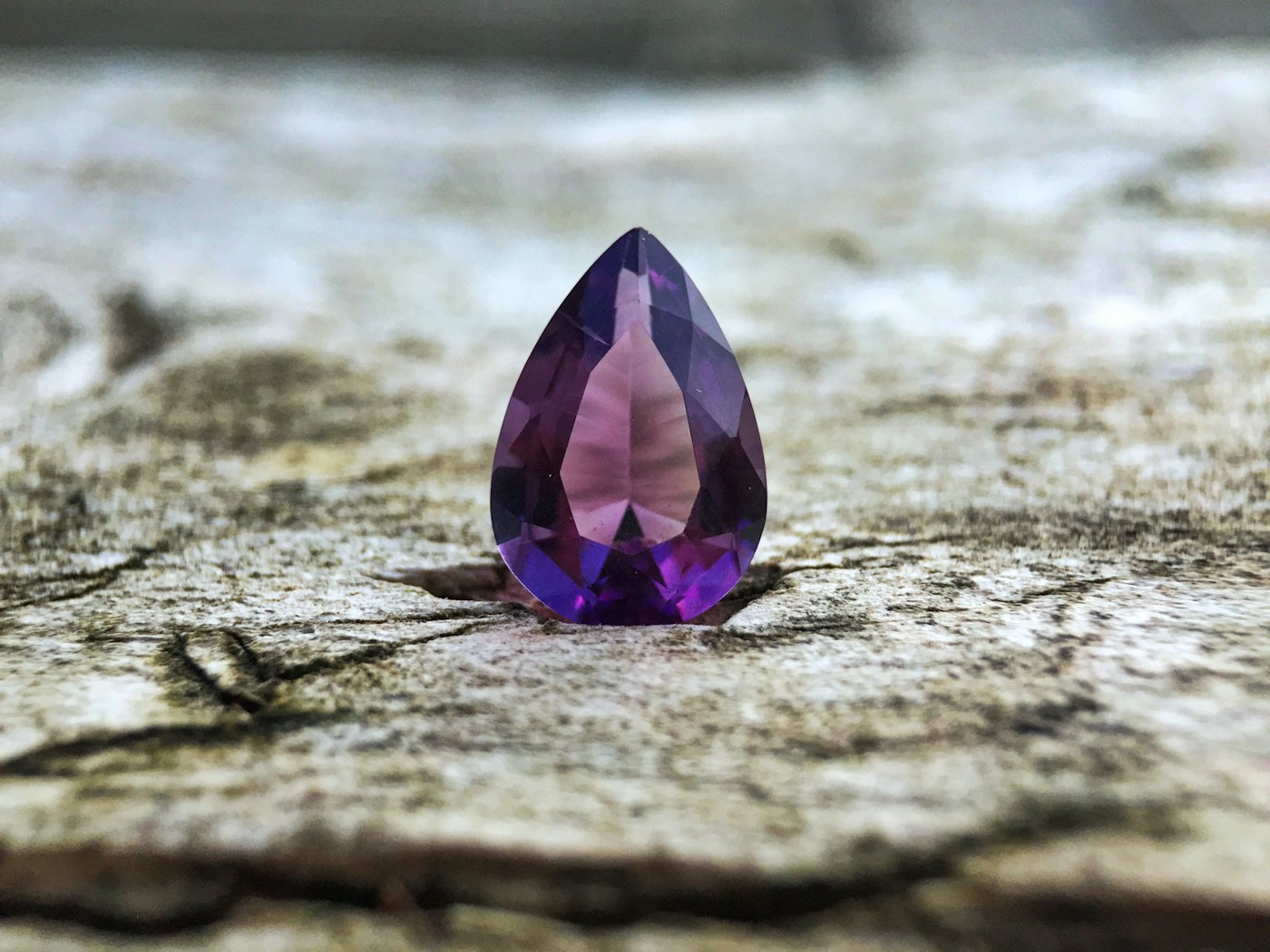
Buying a Jyotish gem sensibly
- Get the recommendation in writing, with the gem, the minimum weight and the metal.
- Insist on a laboratory report that names this exact stone, not a sample.
- Compare prices only between stones of the same species, weight, treatment and quality.
- Be wary of "unheated" or "Burmese" claims without a report that says so, and of any promise that a gem will cure an illness.
Readers often ask us where to buy. We mention GemKrishna, a separate Indian retailer that sells the Navaratna gems and says every product comes with a one-on-one laboratory report unless its page says otherwise (checked 3 November 2026), because we independently consider it a good source. AYU4 has no relationship with it of any kind. Whatever seller you choose, the checks above apply.
Questions readers ask
What are the Navaratna gemstones?
The nine gems linked to the nine grahas in Jyotish: ruby, pearl, red coral, emerald, yellow sapphire, diamond, blue sapphire, hessonite and cat's eye.
Do gemstones really work in astrology?
There is no controlled evidence that a gemstone changes life outcomes. Many people wear one as part of their faith or family tradition. AYU4 explains the tradition and helps you make sure the stone itself is what it is sold as.
Which gemstone should I wear?
In Jyotish the gem depends on the birth chart, not only the zodiac sign, so the tradition asks for a reading by an astrologer. Our zodiac guide explains the common sign-based associations and their limits.
How many carats is one ratti?
Most sellers take one ratti as about 0.91 carat, but conversions differ. Compare stones by their carat weight on the laboratory report.
Is a lab-grown gemstone fake?
A lab-grown (synthetic) gem is a real ruby, sapphire or diamond chemically, but it was made in a laboratory. It is not fake, but it must be disclosed and it is worth much less than a natural stone. Jyotish tradition expects a natural gem.
Is a heated sapphire still natural?
Yes. Heating is a common treatment of natural sapphire and ruby. The stone is natural but treated, and the report should say so. Unheated stones of the same quality cost much more.
Sources
- GIA Gem Encyclopedia (ruby, sapphire, emerald, diamond, pearl, coral, garnet, chrysoberyl)
- Varahamihira, Brihat Samhita, chapters on gems (6th century)
- Garuda Purana, sections on the testing of gems (ratna pariksha)
- Mohs hardness values from standard gemmological references (GIA, Mindat)
A note on health. This guide explains a tradition. It is not medical advice, and nothing in it is a treatment for any disease. See a qualified doctor for symptoms, and do not stop or change a prescribed medicine on the strength of anything you read here. Full medical disclaimer.
Every Gemstones and Jyotish guide
15 guides, grouped by the question they answer. Each one follows the same format: a short answer, the tradition beside the evidence, and its sources.
The nine gems
One guide per Navaratna gem: the mineral, the tradition, treatments, fakes and buying.
- Ruby (Manik): The Sun's Gem in Jyotish, What It Is and How to Buy ItManik is worn for the Sun in Jyotish. As a mineral it is red corundum, and it is one of the most often treated and imitated gems. Here is what to check before you buy.
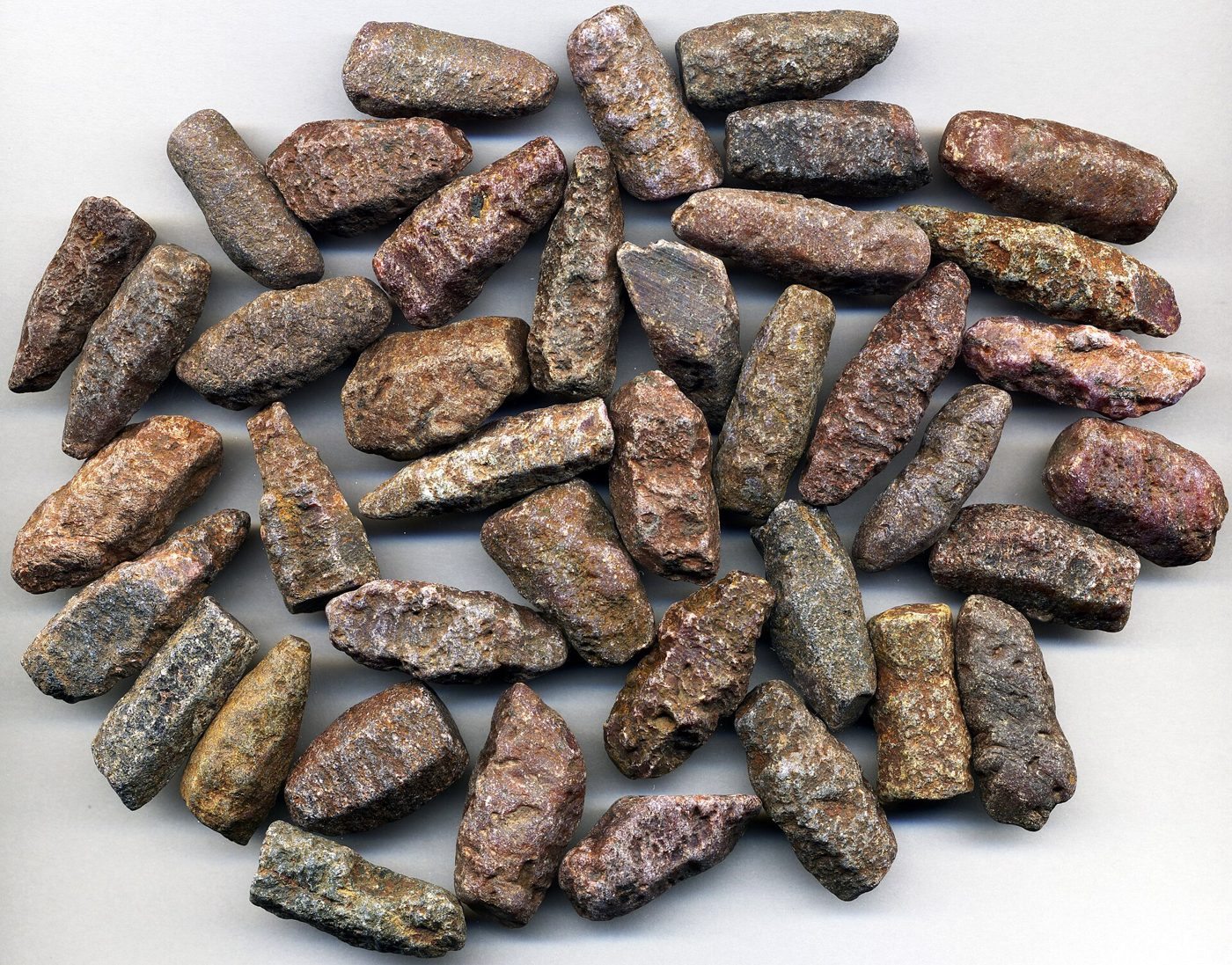
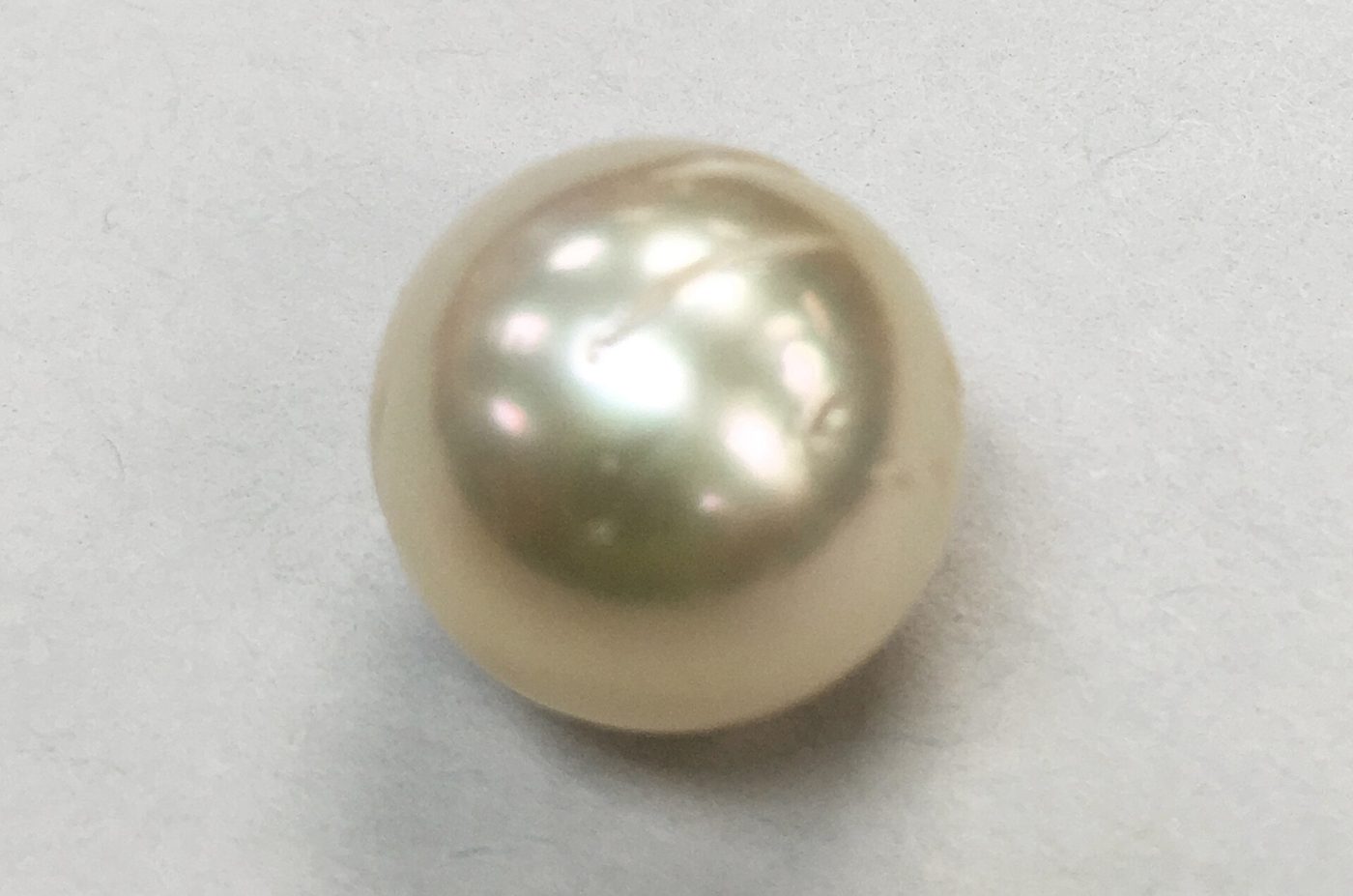
- Pearl (Moti): The Moon's Gem, Natural vs Cultured, and How to BuyMoti is worn for the Moon. Almost every pearl sold today is cultured, and many “pearls” are not pearls at all. Here is how to tell what you are buying.
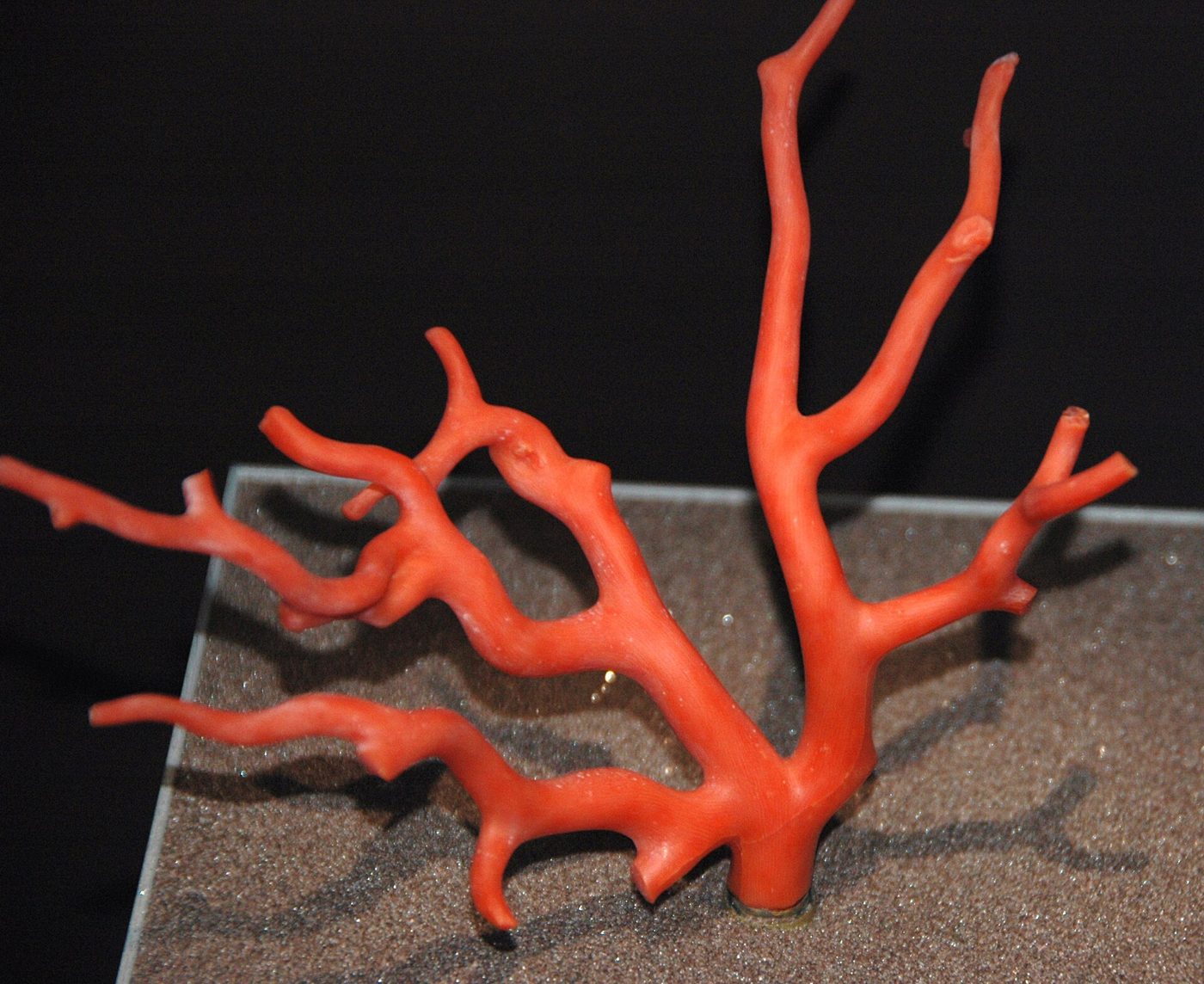
- Red Coral (Moonga): The Gem of Mars, What It Is and How to Spot ImitationsMoonga is worn for Mars. It is not a mineral but the skeleton of a sea animal, soft and easy to imitate. Here is what real precious coral is and what to check.
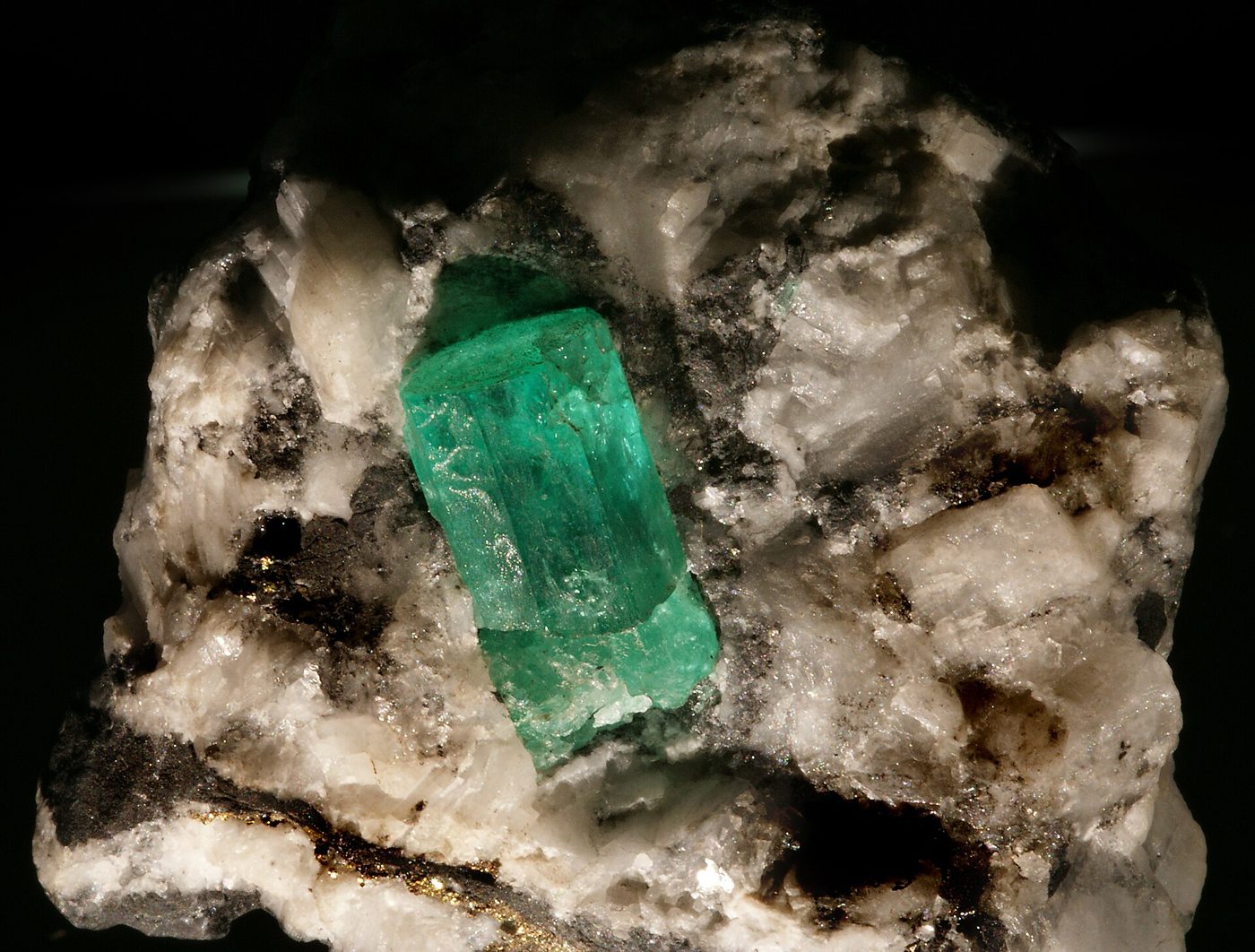
- Emerald (Panna): Mercury's Gem, Oiled and Untreated Stones, and How to BuyPanna is worn for Mercury. Emeralds are beautiful but brittle and nearly always treated with oil or resin. Here is what that means and what to ask for.
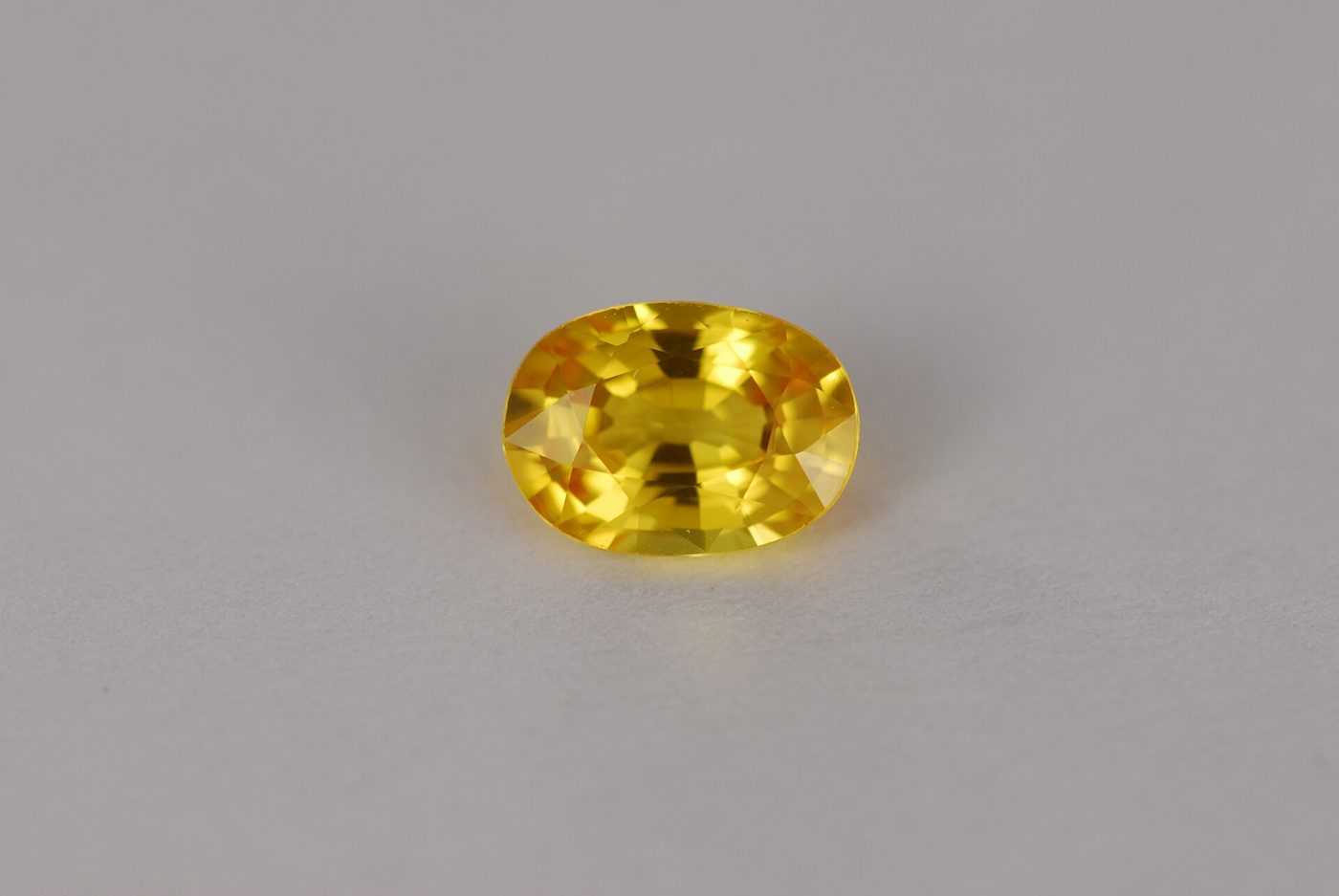
- Yellow Sapphire (Pukhraj): Jupiter's Gem, Heated or Not, and Topaz ConfusionPukhraj is one of the most prescribed Jyotish gems. It is yellow corundum, often heated, and often confused with cheaper yellow topaz and citrine. Here is how to be sure.
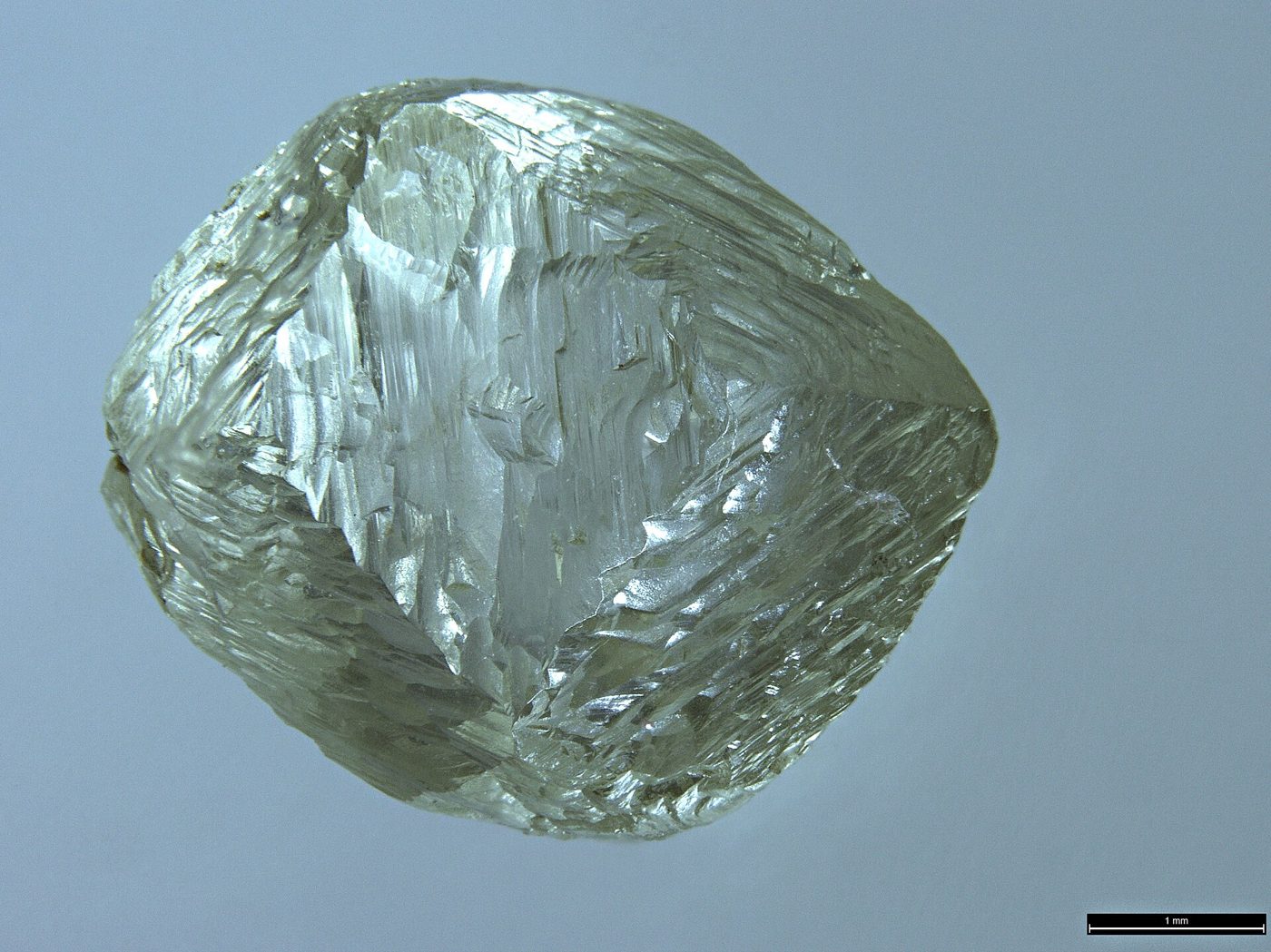
- Diamond (Heera): Venus's Gem, Natural vs Lab-Grown, and How to BuyHeera is worn for Venus. Lab-grown diamonds are now cheap and chemically identical to natural ones, so the report matters more than ever. Here is what to check.
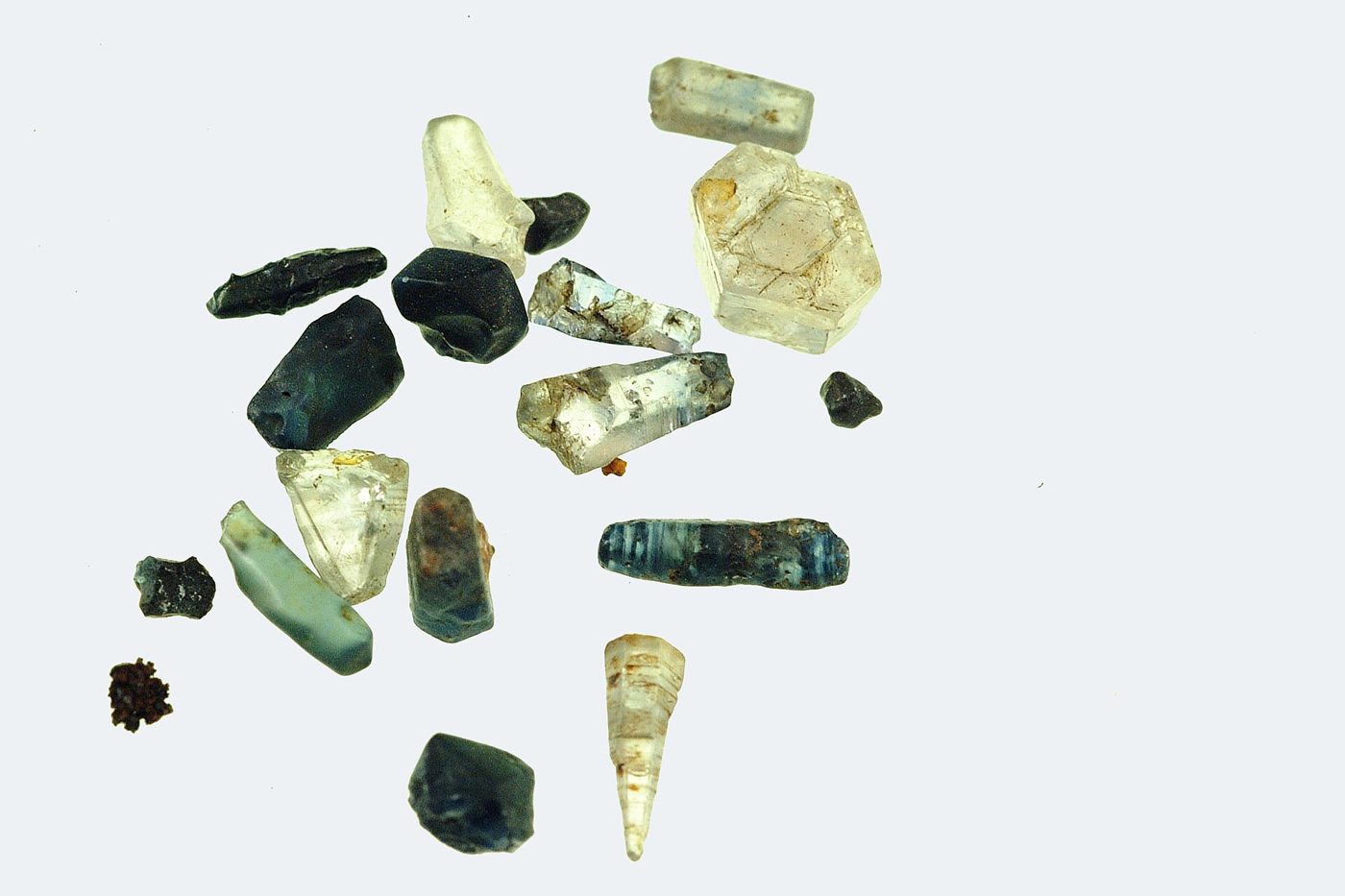
- Blue Sapphire (Neelam): Saturn's Gem, Its Reputation, and How to BuyNeelam is the Jyotish gem with the most fearsome reputation. As a mineral it is blue corundum, often treated in ways that change its value. Here is what to check.
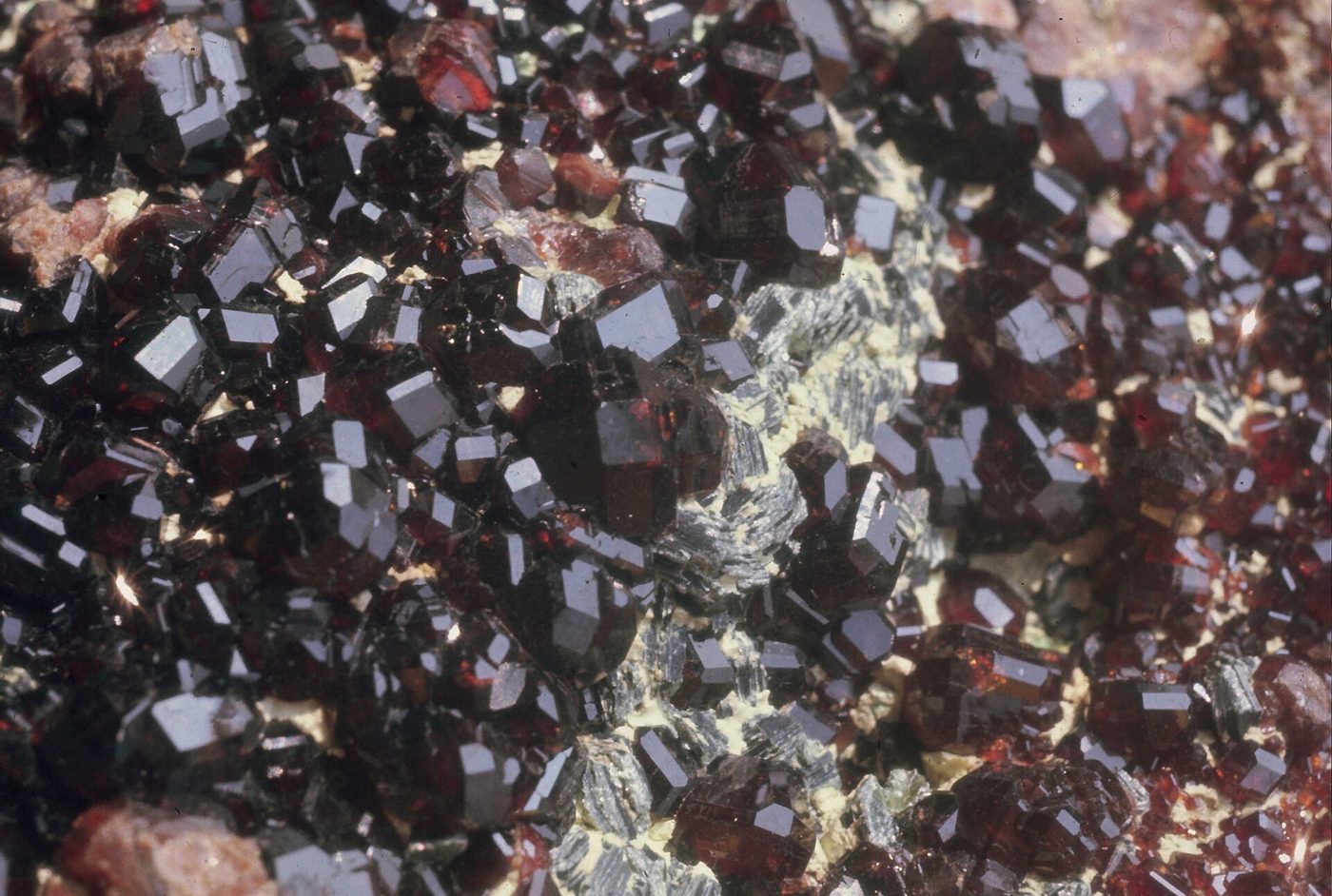
- Hessonite (Gomed): Rahu's Gem, What It Is and How to Tell It From GlassGomed is worn for Rahu. It is an orange-brown garnet with a distinctive treacly look under a lens, rarely treated but often imitated in glass. Here is what to check.
- Cat's Eye (Lehsunia): Ketu's Gem, Chrysoberyl vs Quartz, and How to BuyLehsunia is worn for Ketu. A true cat's eye is chrysoberyl, but quartz, glass and other “cat's eyes” are widely sold under the same name. Here is how to tell.
Lab reports and testing
What a report proves, what it does not, and how to check it.
- What Is a Gemstone Lab Certificate? How to Read One Before You BuyWhat every field on a gemstone report means, how to check it online, how to judge the laboratory, and what no certificate can tell you.
- How to Tell if a Gemstone Is Natural: Synthetic, Imitation and Treated ExplainedNatural, synthetic, imitation and treated are four different things. What a loupe can show, why home tests fail, and when you need a lab.
- How to Verify a GJSPC Gemstone or Rudraksha Report Online, Step by StepFind the right number, type the address yourself, match the record to your stone, and know what to do if the lookup shows nothing.
- GJSPC Laboratory Explained: Gemstone and Rudraksha Reports, and How to Read ThemWhat the GJSPC laboratory says it tests, the report types, how to check a report online, and the questions any lab report leaves open.
Choosing a gem
Zodiac and planetary associations, and their limits.