Meditation for beginners
Mindfulness is paying attention to the present moment on purpose. India's contemplative traditions have taught it for centuries through breath, mantra and stillness.
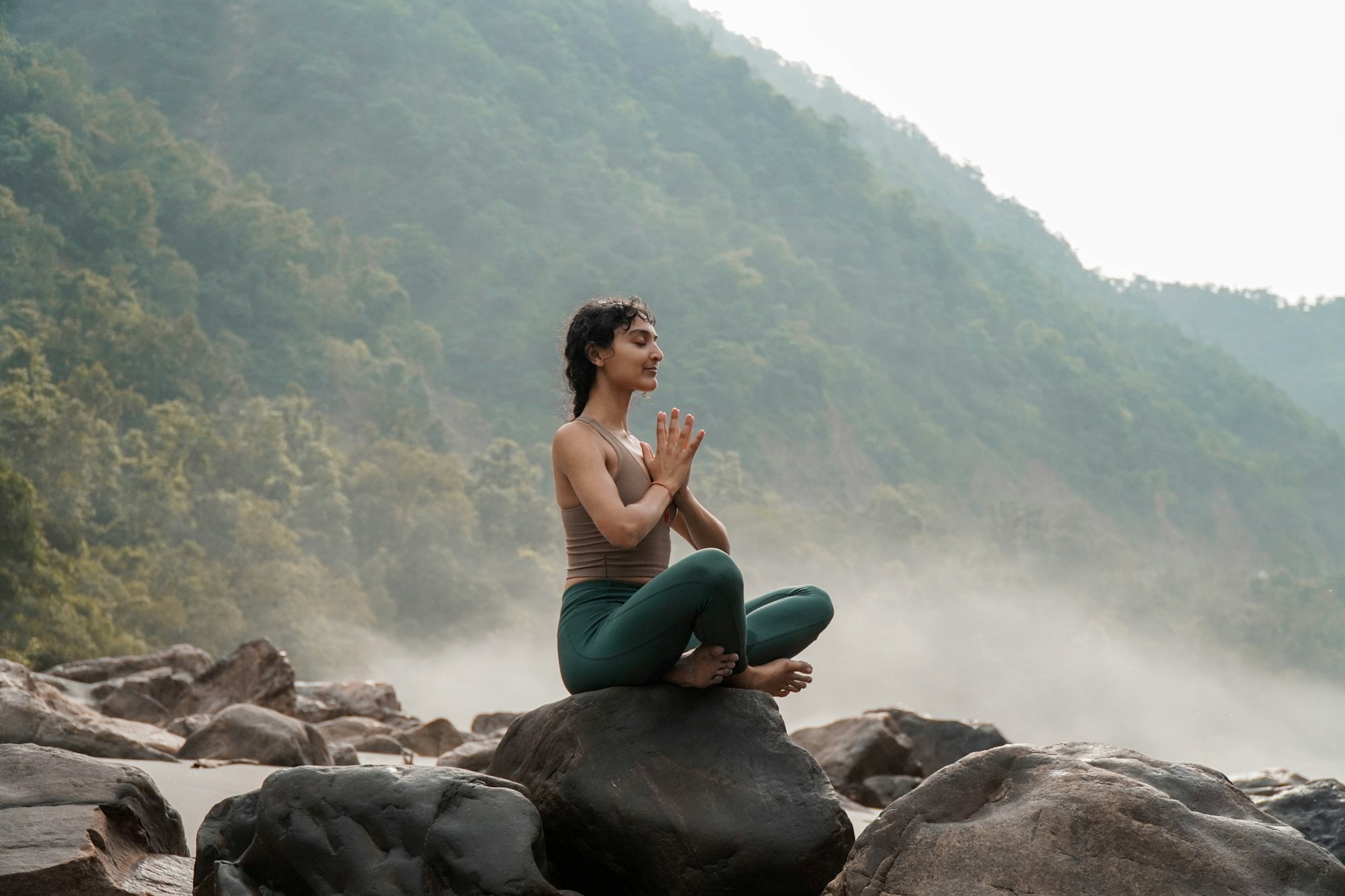
The short answer
For beginners, meditation starts with mindfulness: paying attention to the present moment, on purpose and without judging it. It draws on far older Indian practices: dhyana (meditation), pranayama (breath control) and japa (repeating a mantra). Reviews of trials find that meditation programmes bring small to moderate improvements in anxiety, low mood and pain. It is a useful habit, not a replacement for treatment.
In this guide
Where the practice comes from
Meditation has deep roots in India. The Yoga Sutras of Patanjali describe eight limbs of practice, moving from ethical conduct, posture and breath to withdrawal of the senses, concentration (dharana), meditation (dhyana) and absorption (samadhi). Buddhist teaching gave the world mindfulness of breathing (anapanasati) and insight meditation (vipassana). Jain, Bhakti and Sikh traditions centre on remembrance of the divine name, often counted on a mala. Modern "mindfulness" is a secular version of these practices, shaped in the 1970s and later.
Steady practice quietens the mind (chitta), loosens attachment and, in its highest form, leads to liberation. Mantra and breath are vehicles for that inward turn.
Meta-analyses, including a 2014 review in JAMA Internal Medicine, find moderate evidence that meditation programmes ease anxiety, depression and pain, with effects similar in size to other active treatments. Evidence for many broader claims is weak.
Meditation for beginners: four simple ways to begin
- Breath. Sit upright, let the breath move naturally and rest your attention on it. When the mind wanders, notice and return. Start with five minutes a day.
- Japa. Repeat a mantra or a single word, moving one bead of a mala for each repetition. The beads give the restless mind something to do. Read how many beads a japa mala should have.
- Body scan. Lying down, move attention slowly from the toes to the crown. This is close to the practice taught as yoga nidra.
- Walking. Walk slowly and feel each step. It suits people who find sitting still difficult.
Breathwork, gently
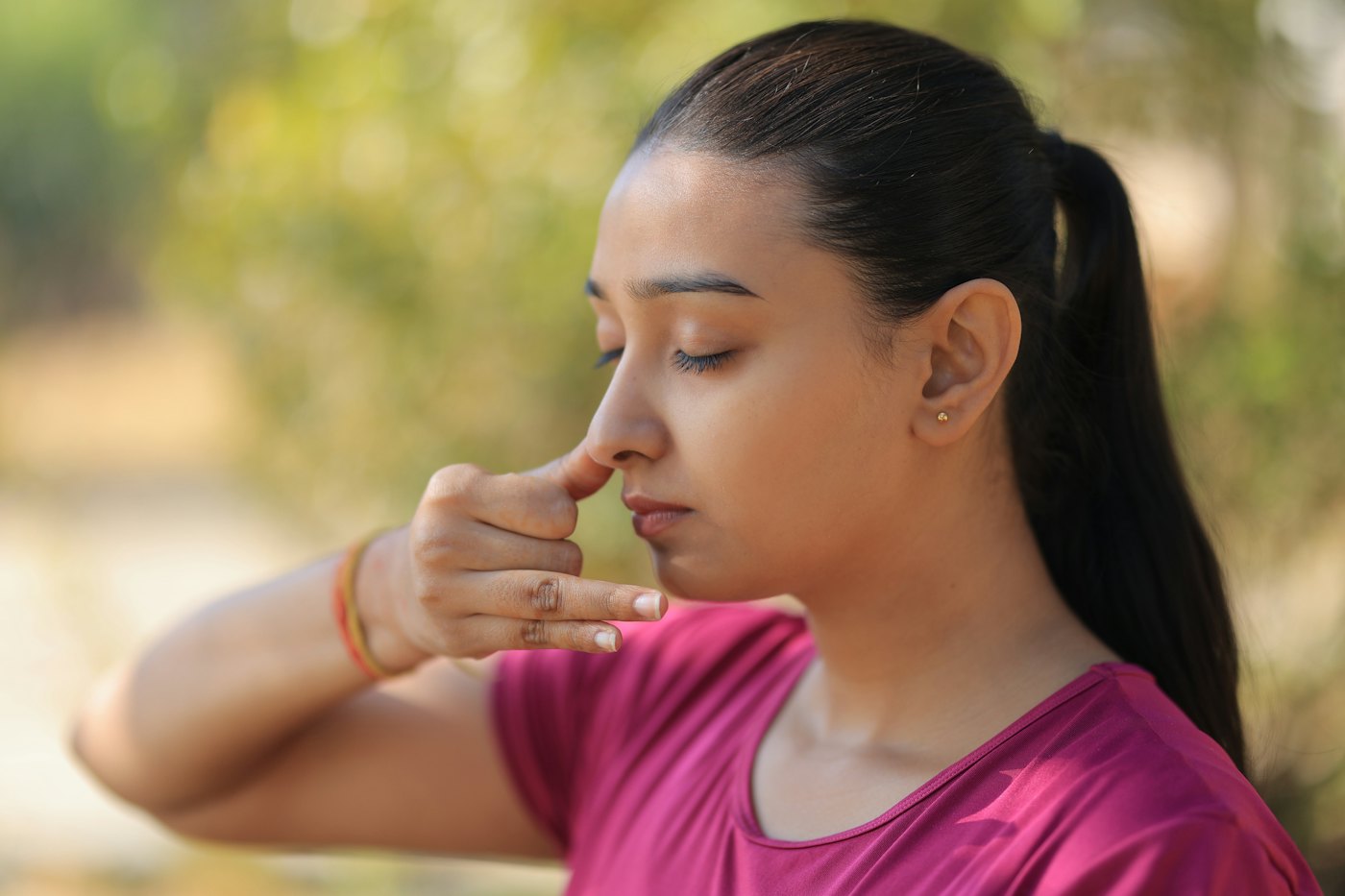
Pranayama ranges from calm, slow breathing to vigorous techniques such as kapalbhati and bhastrika. Slow breathing, with a longer out-breath than in-breath, is a safe place to start; our pranayama guide shows five gentle practices. Forceful techniques are not advised in pregnancy, with high blood pressure, heart disease, recent surgery, epilepsy or glaucoma, and are best learned from a teacher.
When to be careful
Meditation is safe for most people, but not for everyone at every time. A minority experience anxiety, low mood, vivid memories or a sense of unreality, especially on long retreats or with a history of trauma or psychosis. Shorter sessions and a qualified teacher help; see when meditation needs care. Meditation can support recovery, but it should not replace care from a doctor or therapist for depression, anxiety or other mental illness.
Reiki and energy healing, in context
Reiki is a Japanese practice developed by Mikao Usui in the 1920s, in which a practitioner places hands on or near the body to channel "universal energy". It is popular in Indian wellness centres. Careful trials have not shown effects beyond placebo, though sessions can be relaxing. Our guide What is Reiki healing? explains it plainly.
Questions readers ask
How long should a beginner meditate?
Five to ten minutes a day is enough to start. Regularity matters more than length. Add a few minutes once the habit feels easy.
Is mindfulness religious?
It need not be. Mindfulness grew from Buddhist and Hindu practice, but it is widely taught as a secular skill. Japa and dhyana are often practised within a faith, and both approaches are valid.
What is the difference between japa and meditation?
Japa is a form of meditation that uses a repeated mantra, often counted on a mala, as the point of focus. Other forms use the breath, the body or open awareness.
Can meditation replace therapy or medicine?
No. It can support wellbeing and recovery, but it is not a treatment for mental or physical illness on its own. Keep to the care your doctor recommends.
Is Reiki a type of meditation?
Not exactly. Reiki is a hands-on energy practice performed by a practitioner, while meditation is a mental practice you do yourself. Reiki's claimed energy effects have not been shown in trials.
Sources
A note on health. This guide explains a tradition. It is not medical advice, and nothing in it is a treatment for any disease. See a qualified doctor for symptoms, and do not stop or change a prescribed medicine on the strength of anything you read here. Full medical disclaimer.
Every Mindfulness guide
8 guides, grouped by the question they answer. Each one follows the same format: a short answer, the tradition beside the evidence, and its sources.
Start here
A first practice, and the mala as a counting aid.
- How to Meditate for Five Minutes: A Simple Daily Practice for BeginnersA minute-by-minute practice, what to do when the mind wanders (it will), how to make it a habit, and what research shows about short sessions.
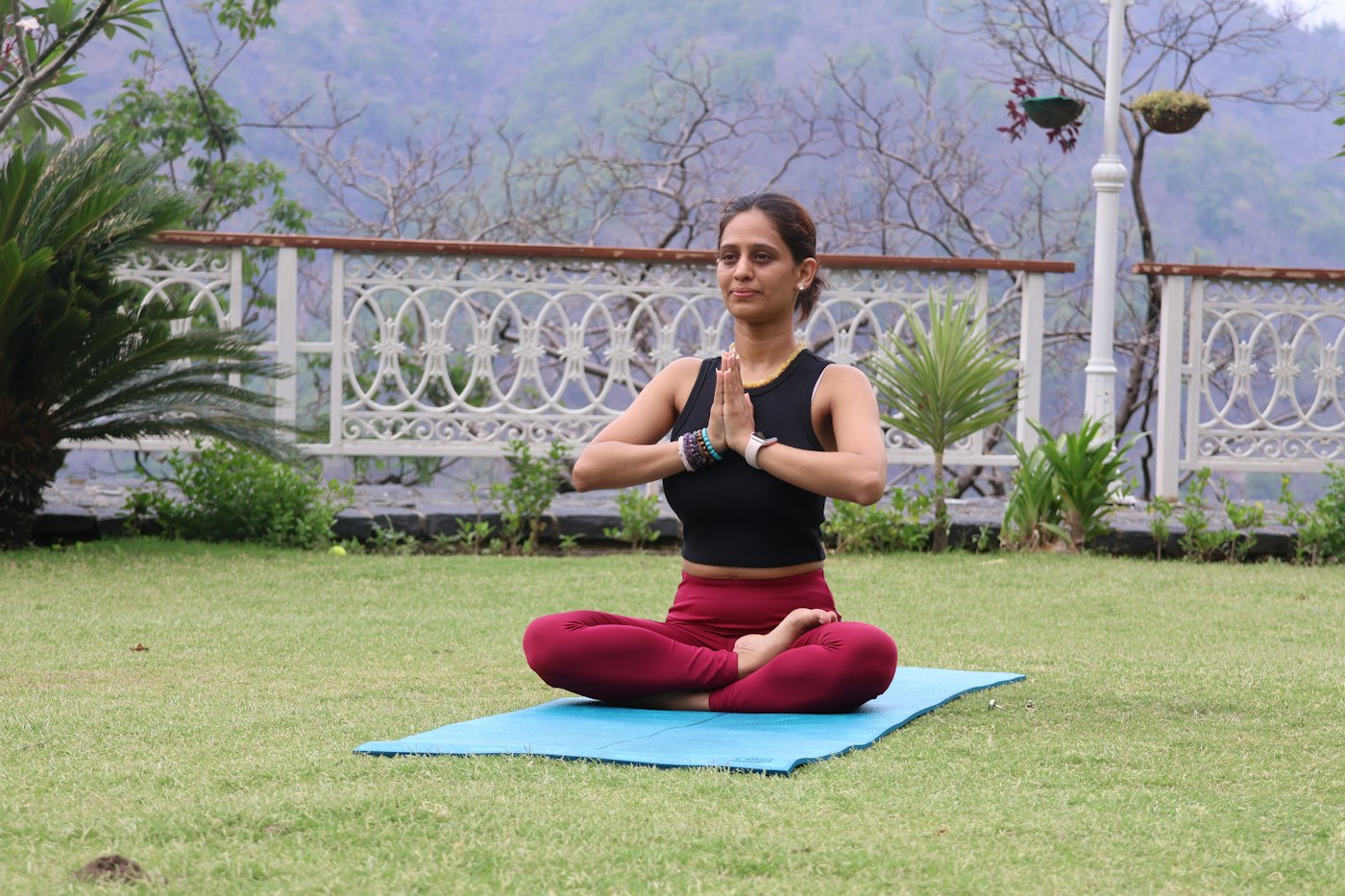
- Japa Meditation: How to Chant With a Mala, Step by StepJapa is the repetition of a mantra, counted on a string of beads. It is one of the oldest and simplest forms of meditation in India. Here is how to do it.
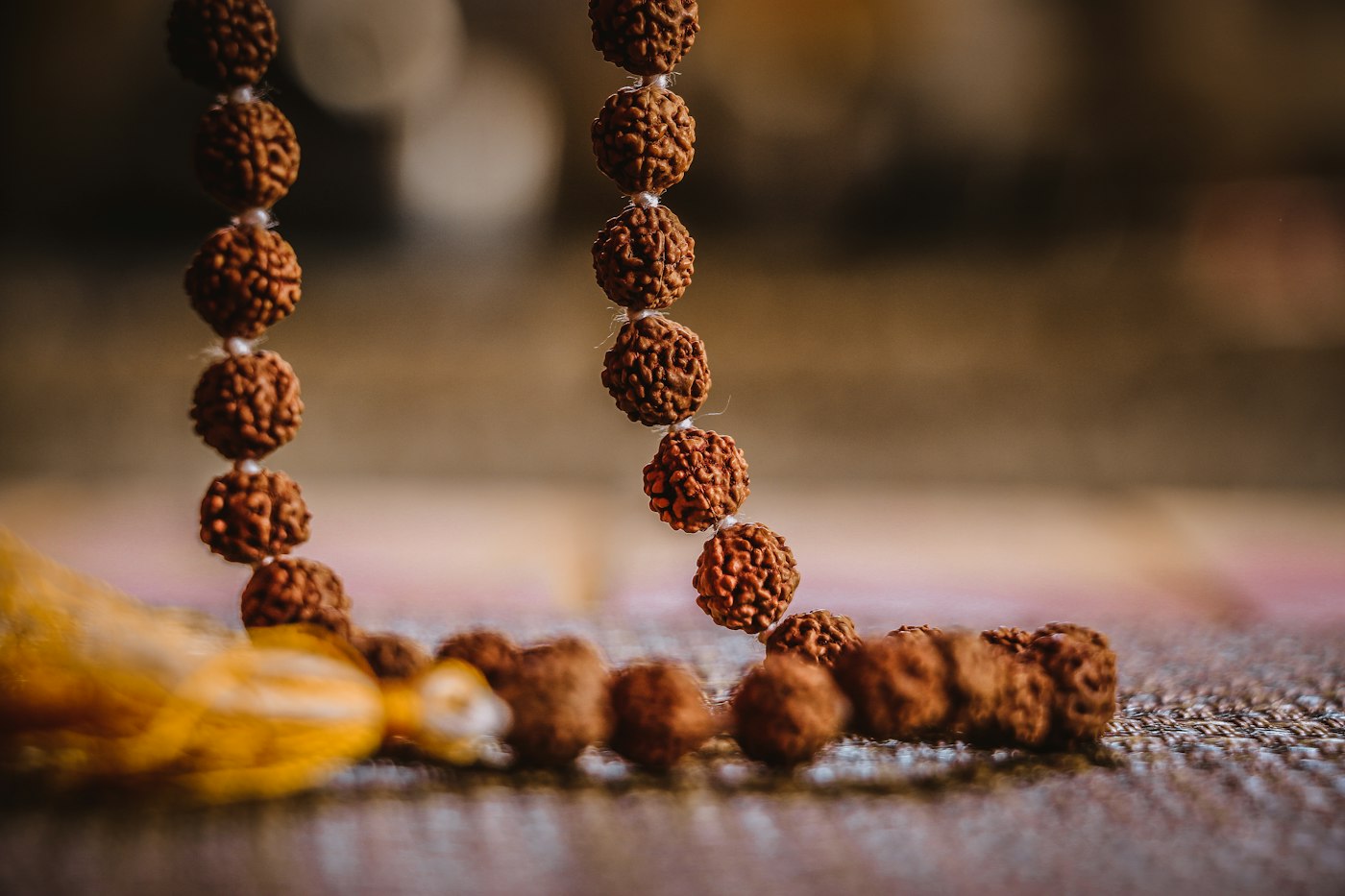
- Japa Mala Beads: Why 108, and When to Use 54 or 27Why 108 is the standard count, what 54 and 27-bead malas are for, which mukhi beads make a mala, and how to count rounds.
Breath, rest and focus
Pranayama, yoga nidra and trataka, step by step.
- Pranayama for Beginners: Five Breathing Practices and Who Should Be CarefulPranayama, breath control, is one of the eight limbs of yoga. Slow, gentle breathing is safe for almost everyone; forceful techniques are not. Here is where to begin.
- Yoga Nidra: What It Is, a 20-Minute Practice, and What Studies ShowA guided rest, lying down, between waking and sleep. Here is how a session works, and what studies show.
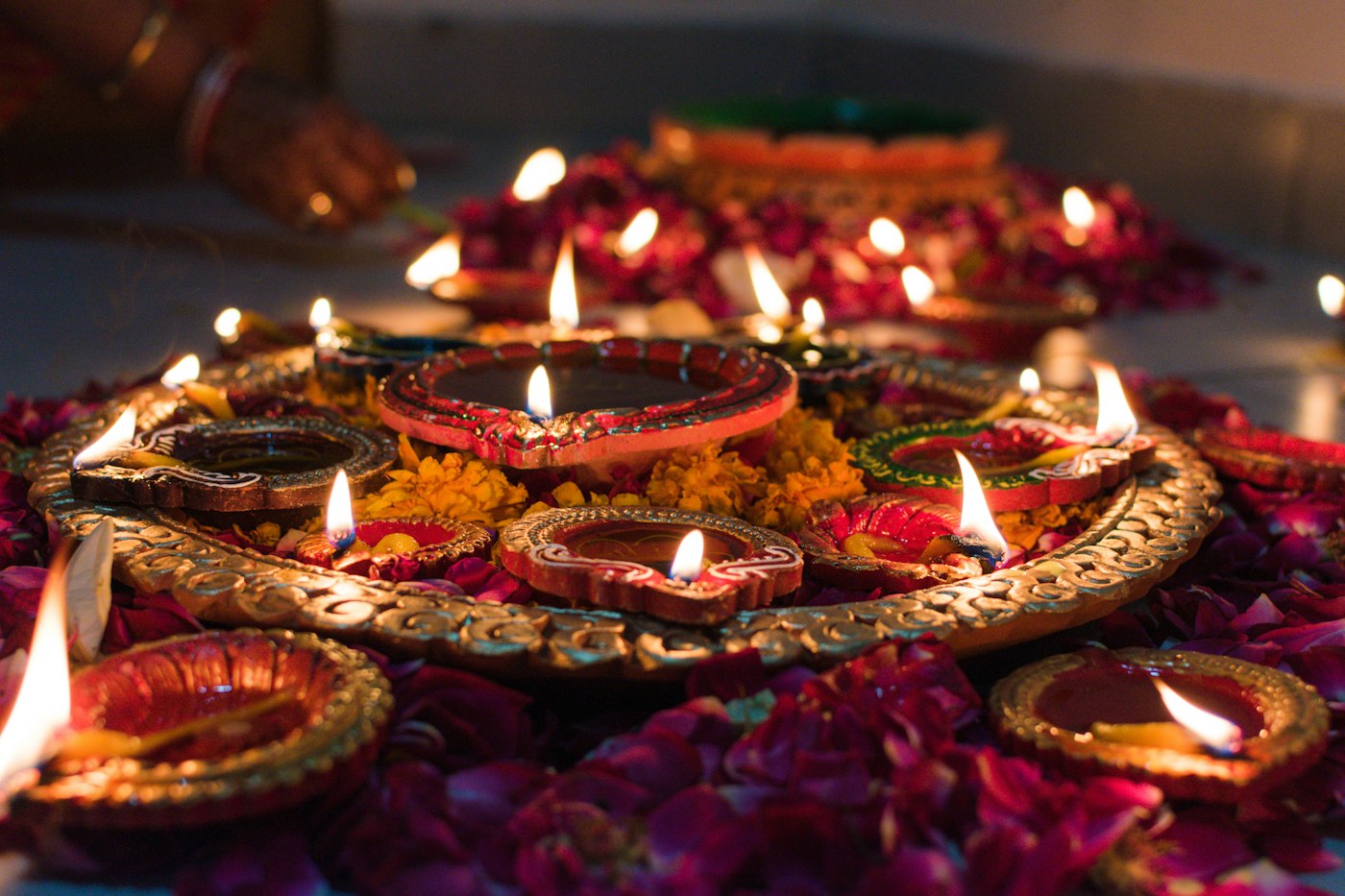
- Trataka: Candle-Gazing Meditation, How to Do It SafelyTrataka is a concentration practice: gazing steadily at a small point, usually a flame, then holding its image with the eyes closed. Here is how to do it without straining the eyes.
Practising safely
Who should be careful, and what to do if it goes wrong.
Energy practices
Reiki and related ideas, explained plainly.