Are Ayurvedic medicines safe?
Most Ayurvedic advice on food and routine is low-risk. Medicines are different. Here are the documented risks, how to read a label, and what to do if something goes wrong.
The short answer
Are Ayurvedic medicines safe? Ayurvedic lifestyle advice is generally low-risk, but Ayurvedic medicines are real medicines with real side effects and risks. Studies have found lead, mercury or arsenic in about a fifth of products tested, especially in metal-based rasa shastra preparations. Herbs including giloy, ashwagandha and turmeric supplements have been linked to liver injury, and many herbs interact with prescription drugs. Buy only licensed products, tell your doctor what you take, avoid metal-based medicines unless a qualified doctor prescribes and monitors them, and report side effects.
In this guide
Are Ayurvedic medicines safe? Natural is not the same as safe
Herbs work because they contain active substances, and anything active can also cause harm, interact with other medicines or be badly made. The Ayurvedic texts themselves are careful about dose, preparation and who should take what. The risks below are not reasons to fear Ayurveda; they are reasons to treat its medicines with the same care as any other medicine.
1. Heavy metals
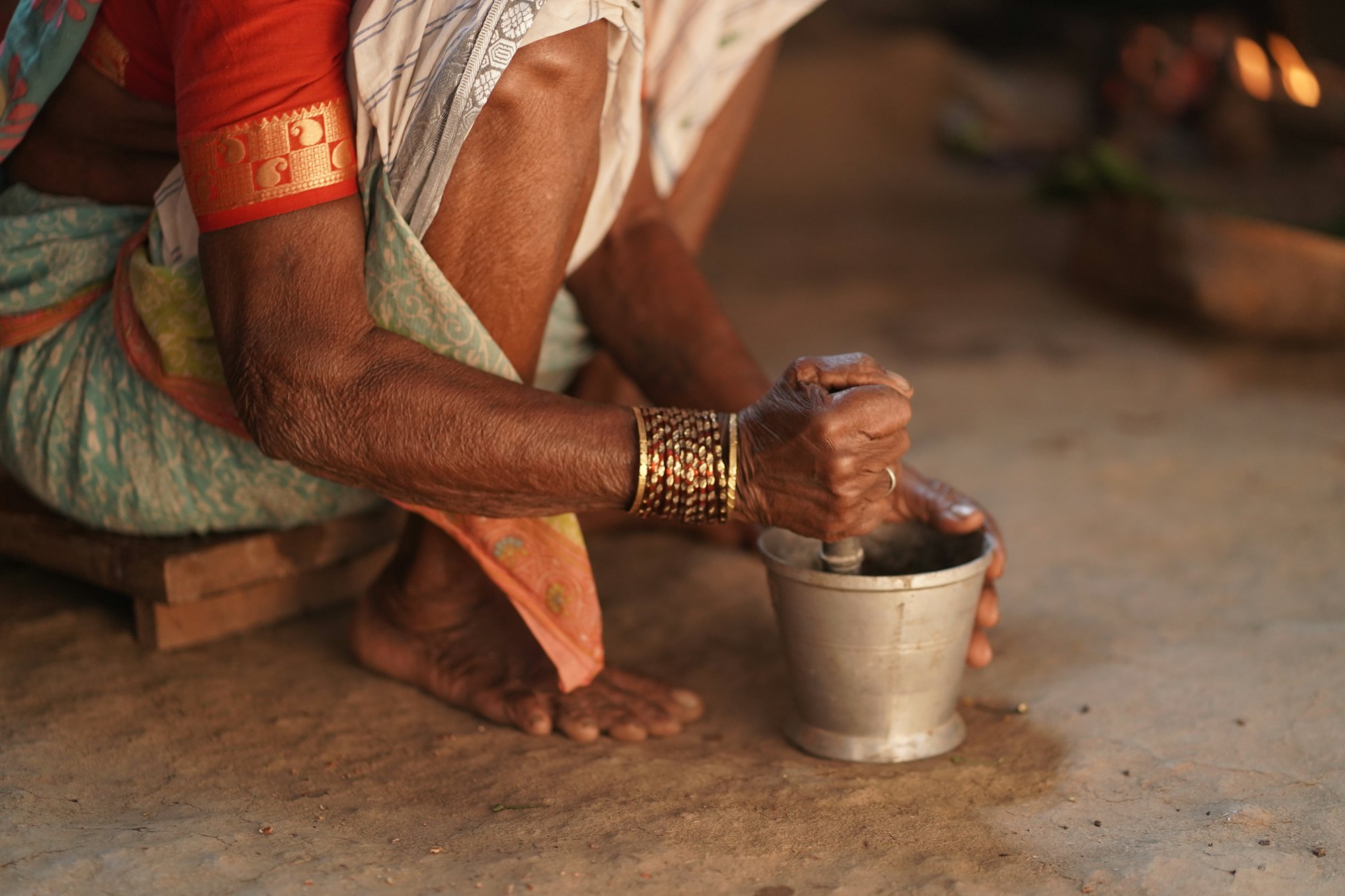
A branch of Ayurvedic pharmacy called rasa shastra deliberately uses processed metals and minerals, such as mercury, lead, arsenic, gold and iron, in preparations called bhasmas. Practitioners hold that traditional processing makes them safe. Independent tests tell a more cautious story:
- A 2004 study in JAMA found heavy metals in 14 of 70 Ayurvedic products bought in Boston-area shops.
- A 2008 follow-up in JAMA found lead, mercury or arsenic in about 21 per cent of 193 products bought online, made in both India and the United States; rasa shastra products were more likely to contain them.
- Cases of lead poisoning linked to Ayurvedic medicines have been reported in India, the United States, the United Kingdom and Australia.
Take a metal-based medicine only if a qualified Ayurvedic doctor prescribes it for a defined period, and ask your regular doctor whether a blood test is sensible.
2. Liver injury
Several herbs and supplements have been linked to drug-induced liver injury. During the COVID-19 pandemic, Indian hepatologists reported a series of liver injury cases in people taking giloy (Tinospora cordifolia) as an “immune booster”. Ashwagandha and high-dose turmeric or curcumin supplements also appear in liver-injury databases. These events are uncommon, but they are serious. Warning signs are yellow eyes or skin, dark urine, pale stools, itching, nausea and unusual tiredness; stop the product and see a doctor.
3. Interactions with medicines
Herbs can strengthen or weaken prescription drugs. Turmeric and some other herbs may add to blood thinners; ashwagandha may affect thyroid medicine and sedatives; tulsi, bitter gourd and others may lower blood sugar alongside diabetes medicines. Never stop a prescribed medicine in favour of an Ayurvedic one without your doctor's agreement, and give every doctor a full list of what you take.
Ayurvedic medicines are safe when the right formula is prepared properly and given by a trained vaidya, at the right dose, for the right person and the right length of time.
Problems documented in research mostly come from poor manufacturing, metal-based products, self-medication, high doses, long use and interactions with other medicines. The evidence supports the tradition's own emphasis on qualified prescribing and proper preparation.
How to read a label
- Manufacturing licence number. Under the Drugs and Cosmetics Act, 1940, Ayurvedic medicines made in India must carry the manufacturer's licence number. No number, no purchase.
- Batch number, manufacturing and expiry dates.
- Full ingredients, with quantities. Look for bhasma, rasa, parada (mercury), naga (lead) or similar terms that signal metals.
- Classical or proprietary. Classical formulas follow official texts; proprietary ones are the maker's own recipe.
- Claims. A pack that promises to cure diabetes, cancer, infertility or other listed diseases is breaking the Drugs and Magic Remedies (Objectionable Advertisements) Act, 1954. Do not buy it.
Choosing a practitioner
In India, Ayurvedic doctors qualify with a five-and-a-half-year BAMS degree and register with a state board under the National Commission for Indian System of Medicine (NCISM). Ask for the registration number. A good practitioner asks what other medicines you take, does not ask you to stop prescribed treatment, prescribes for a defined period and reviews you.
Reporting a side effect
The Ministry of Ayush runs a national pharmacovigilance programme for Ayurveda, Siddha, Unani and homoeopathy drugs. If you suspect a side effect, tell your doctor, and ask them or the dispensing pharmacy to report it. You can also report misleading advertisements of Ayush medicines to the ministry.
Related: ashwagandha, turmeric, triphala and our medical disclaimer.
Questions readers ask
Are Ayurvedic medicines safe?
Many are, when properly made and correctly prescribed. But some contain heavy metals, some herbs have been linked to liver injury, and many interact with prescription drugs. Treat them as medicines.
Do Ayurvedic medicines contain heavy metals?
Some do, especially metal-based rasa shastra preparations. US studies found lead, mercury or arsenic in about a fifth of products tested.
Can giloy damage the liver?
Indian doctors reported a series of liver injury cases in people taking giloy during the COVID-19 pandemic. It is uncommon, but stop and see a doctor if you notice jaundice or dark urine.
How can I check an Ayurvedic medicine is genuine?
Look for the manufacturing licence number, batch number, dates and full ingredients on the label, and buy from a pharmacy or the maker's official channel.
Can I take Ayurvedic medicine with allopathic medicine?
Only with your doctor's knowledge. Herbs can interact with blood thinners, thyroid, diabetes and other medicines. Never stop a prescribed medicine without advice.
Sources
- Saper RB, et al. Heavy metal content of Ayurvedic herbal medicine products. JAMA, 2004
- Saper RB, et al. Lead, mercury and arsenic in US- and Indian-manufactured Ayurvedic medicines sold via the internet. JAMA, 2008
- Nagral A, et al. Herbal immune booster-induced liver injury in the COVID-19 pandemic: a case series. Journal of Clinical and Experimental Hepatology, 2021
- LiverTox: Clinical and Research Information on Drug-Induced Liver Injury, National Institute of Diabetes and Digestive and Kidney Diseases (herbal and dietary supplement entries)
- The Drugs and Cosmetics Act, 1940 and Rules, 1945 (Ayurvedic, Siddha and Unani drugs)
- The Drugs and Magic Remedies (Objectionable Advertisements) Act, 1954
- National Commission for Indian System of Medicine (NCISM)
- Ministry of Ayush, Government of India
- NCCIH: Ayurvedic Medicine, In Depth
A note on health. This guide explains a tradition. It is not medical advice, and nothing in it is a treatment for any disease. See a qualified doctor for symptoms, and do not stop or change a prescribed medicine on the strength of anything you read here. Full medical disclaimer.