Rudraksha, explained
A Rudraksha is the dried stone of an Elaeocarpus fruit, sacred to Shiva. Its faces, origin and authenticity can all be checked; its spiritual effects are a matter of faith.
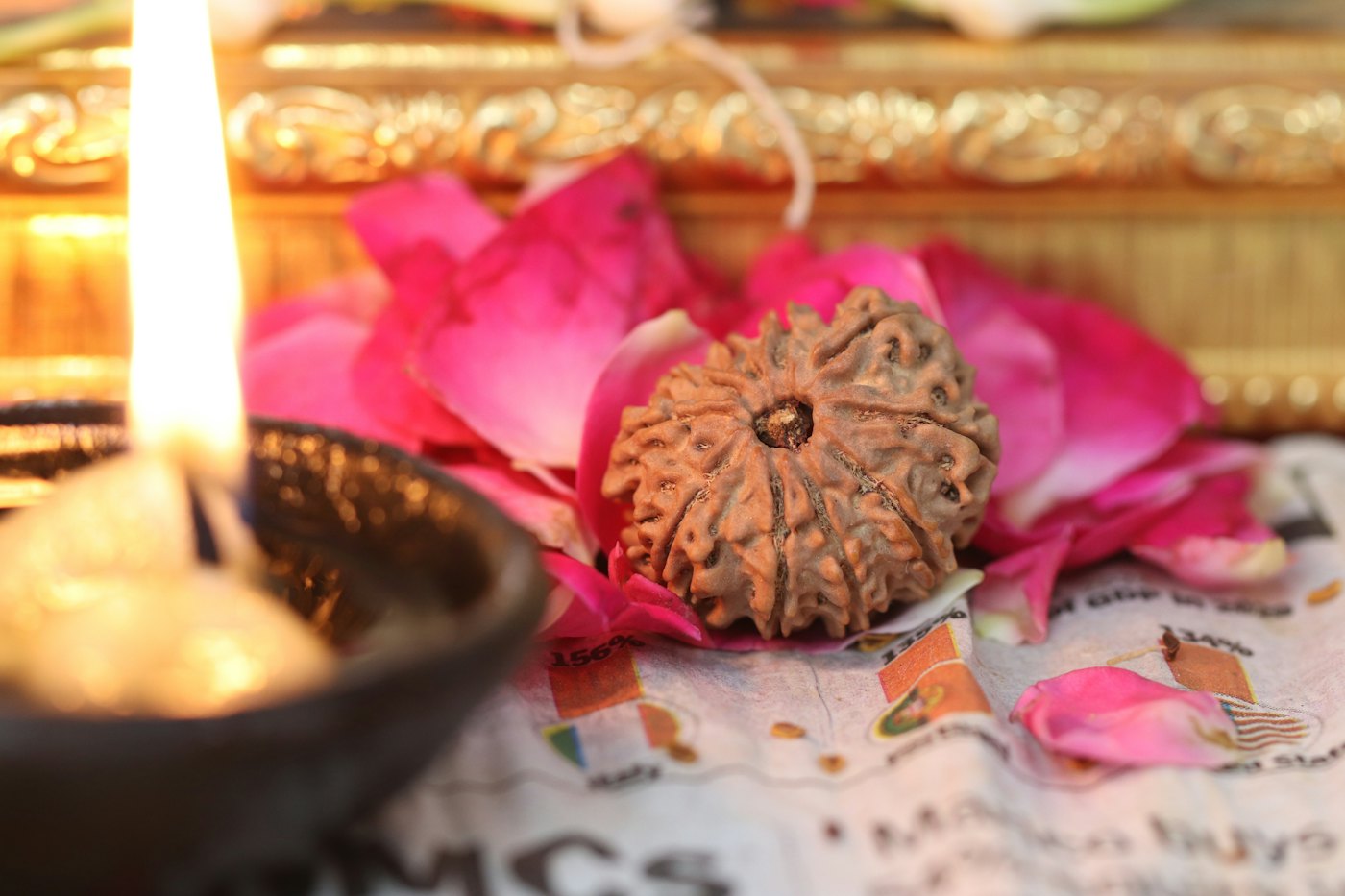
The short answer
A Rudraksha is the dried stone of the fruit of Elaeocarpus trees, mainly Elaeocarpus ganitrus, grown in Nepal, India and Indonesia. Its mukhi (faces) are the natural lines that run from pole to pole, most often five. In Hindu tradition the bead is sacred to Shiva and is worn in malas for prayer. No study shows a health effect from wearing one, but the mukhi count, origin and authenticity can be checked, and an X-ray report can confirm them.
In this guide
What a Rudraksha is
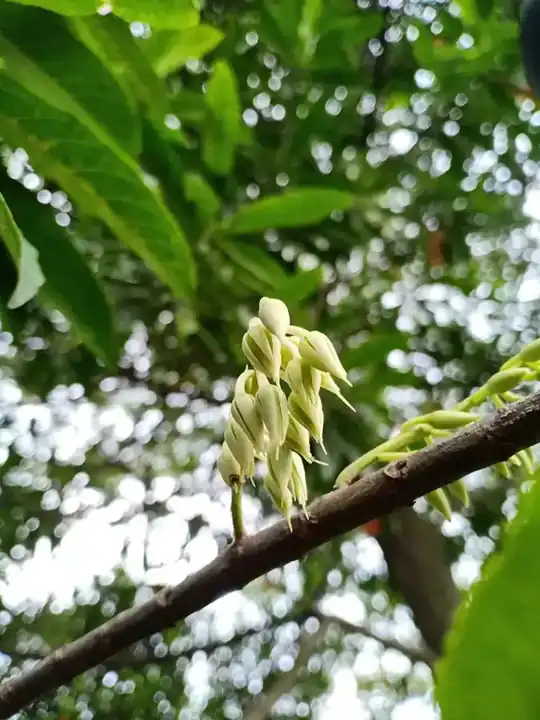
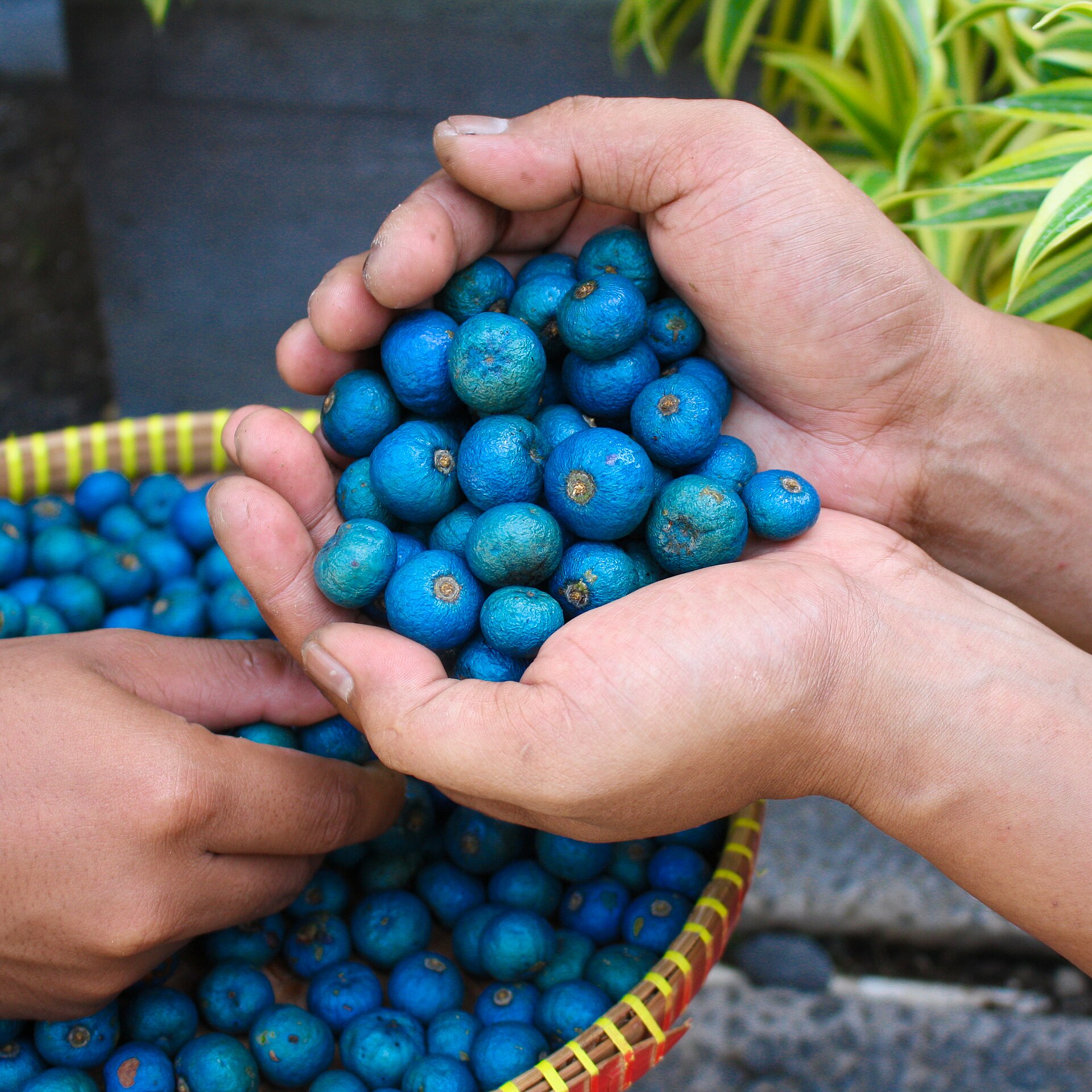
The Rudraksha tree is a tall evergreen of the Himalayan foothills, the Gangetic plain and Southeast Asia. Its fruit is a bright blue drupe. Inside is a hard, furrowed stone, and that stone, cleaned and dried, is the bead. The name joins Rudra, a name of Shiva, with aksha, eye: the "eye of Rudra". A story told in the Shiva Purana and the Devi Bhagavata Purana says the first trees grew from Shiva's tears.
Rudraksha is Shiva's own bead. Worn with devotion it brings protection, calm and spiritual merit, and each mukhi has its own deity and blessing.
No scientific study shows a health or psychological effect from wearing Rudraksha. The bead's physical features, though, are real and checkable: its mukhi, size, origin and whether it has been altered.
What mukhi means
A mukhi is a natural groove running from the top of the bead to the bottom. Inside, each mukhi usually matches a seed chamber, which is why an X-ray can confirm the count. Beads range from one to twenty-one mukhi and more. Five mukhi is by far the most common and the usual bead for a japa mala. Each mukhi is linked to a deity in the texts, though the lists differ between sources. Our guide to the ruling deities of 1 to 21 mukhi sets them out, and which mukhi to choose explains how people decide.
Nepal, Indonesia and India
Origin changes how a bead looks and what it costs. Nepal beads are usually larger, with deep, well-defined mukhi. Indonesian (Java) beads are small, smooth and lighter in colour, and are often used for malas because they are even and inexpensive. Indian beads come mainly from the Himalayan belt and parts of the south. The same mukhi can cost many times more from Nepal than from Indonesia, so compare like with like. See types, origins and sizes and quality and price.
Real, altered or fake?
Because rare mukhi beads command high prices, they are the ones most often faked. Common problems are extra lines carved into an ordinary bead, two beads glued together and sold as a Gauri Shankar, beads made from wood or resin, and lower-mukhi beads with lines filled in. Popular home tests such as floating the bead in water or spinning it between coins are not reliable. An X-ray or CT scan shows the internal chambers and is the best check for a valuable bead. Read how to identify real Rudraksha, why the water test fails and what an X-ray can show.
A genuine, naturally formed bead carries the full blessing of its mukhi. A carved or joined bead does not.
A laboratory can show whether the mukhi lines are natural and match the internal chambers. A report is only as good as its match to your bead: it should name and photograph the exact bead you receive.
Wearing Rudraksha
Rudraksha are worn as a single bead on a thread, as a bracelet, as a kantha (a close necklace) or as a japa mala of 108 beads plus a guru bead, used to count mantra repetitions. Customs on when to first wear a bead, which day, and whether to remove it for sleep or bathing vary between teachers. Our guides cover when to wear Rudraksha, and whether to sleep in it, bead sizes and choosing a bracelet, mala or kantha. For everyday care, keep beads dry, away from soap and perfume, and brush them clean; some people oil them lightly from time to time.
Buying with confidence
Decide the mukhi and origin first, then check size, the clarity of the mukhi lines, any holes or cracks, and the laboratory report. Our buying checklist puts it on one page. Readers often ask where to buy. We mention GemKrishna, a separate Indian retailer that sells Rudraksha with laboratory reports, because we independently consider it a good source. AYU4 has no relationship with it of any kind.
Questions readers ask
What is a Rudraksha bead made of?
It is the dried, cleaned stone from the fruit of the Rudraksha tree, usually Elaeocarpus ganitrus. It is a natural seed stone, not wood, stone or a gem.
Which mukhi Rudraksha is best for beginners?
Five mukhi is the usual first bead. It is common, affordable, associated with Shiva as Kalagni Rudra in the tradition, and used for japa malas.
How can I tell if a Rudraksha is real?
Look for clean, natural mukhi lines running pole to pole, with no glue joints or carving marks. For a valuable bead, ask for an X-ray report that shows this exact bead. Floating it in water does not prove anything.
Can women wear Rudraksha?
Yes, in most living traditions. Some families and teachers have their own customs, for example about menstruation, and AYU4 describes these as customs rather than rules.
Why are Nepal Rudraksha more expensive than Indonesian ones?
Nepal beads are larger, with deeper mukhi, and fewer are produced. Indonesian beads are smaller and more plentiful. Compare prices only between beads of the same mukhi, size and origin.
Sources
- Shiva Purana, Vidyeshvara Samhita, chapter on the greatness of Rudraksha
- Devi Bhagavata Purana, Book 11, on Rudraksha
- Rudraksha Jabala Upanishad
- Elaeocarpus ganitrus (Elaeocarpus angustifolius), Plants of the World Online, Royal Botanic Gardens, Kew
A note on health. This guide explains a tradition. It is not medical advice, and nothing in it is a treatment for any disease. See a qualified doctor for symptoms, and do not stop or change a prescribed medicine on the strength of anything you read here. Full medical disclaimer.
Every Rudraksha guide
27 guides, grouped by the question they answer. Each one follows the same format: a short answer, the tradition beside the evidence, and its sources.
Start here
Choosing a first bead, and checking it is real.
- Which Mukhi Rudraksha Should I Wear? A Calm, Practical Way to ChooseFive mukhi is the usual first bead. When to choose another, how tradition and astrology decide, and why rarer is not better.
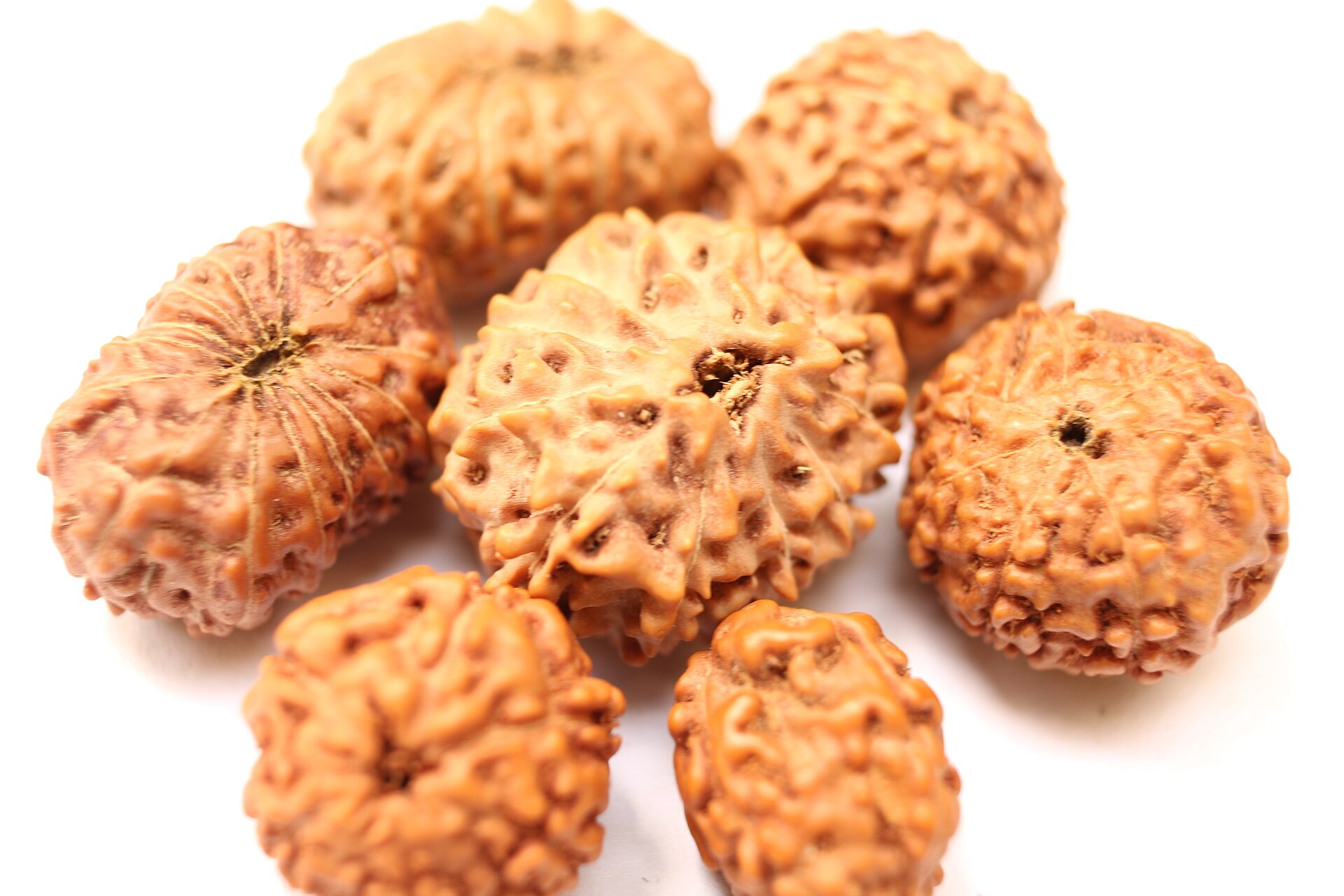
- How to Check if a Rudraksha Is Real: Mukhi Lines, Carving, Joins and Lab TestsWhat natural mukhi lines look like, how carving, joining and filling are spotted, why home tests fail, and when you need a lab.
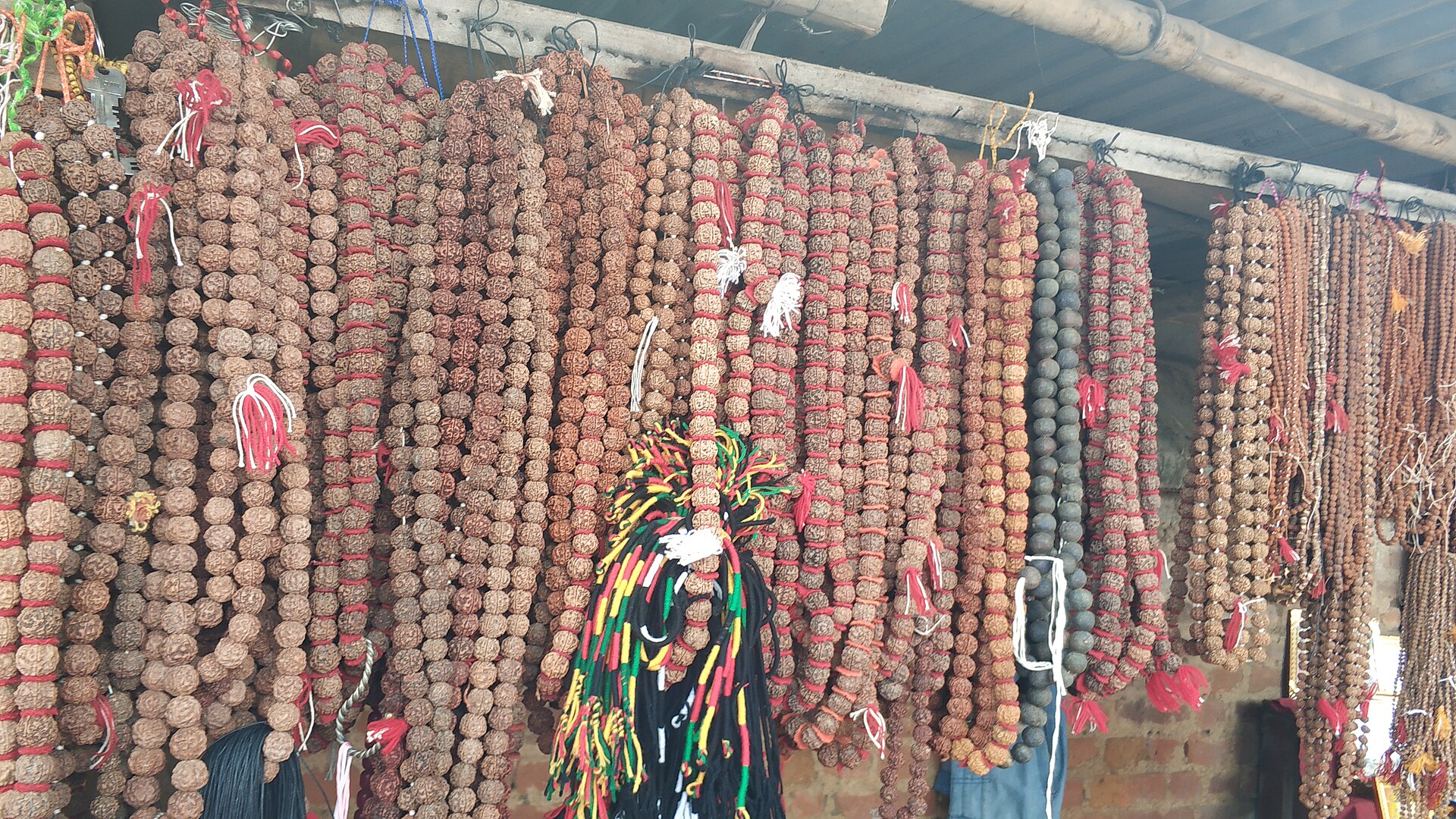
- Rudraksha Buying Checklist: 12 Things to Check Before You PayTwelve checks for any Rudraksha purchase, from mukhi and size to report scope, payment and returns, each linked to a fuller guide.
Mukhi and meaning
The deities, planets and traditions behind each count.
- Rudraksha Mukhi Chart: Deities and Planets of 1 to 21 MukhiEvery mukhi from 1 to 21 with its deity and planet, where the lists come from, why they disagree, and how rare each bead really is.
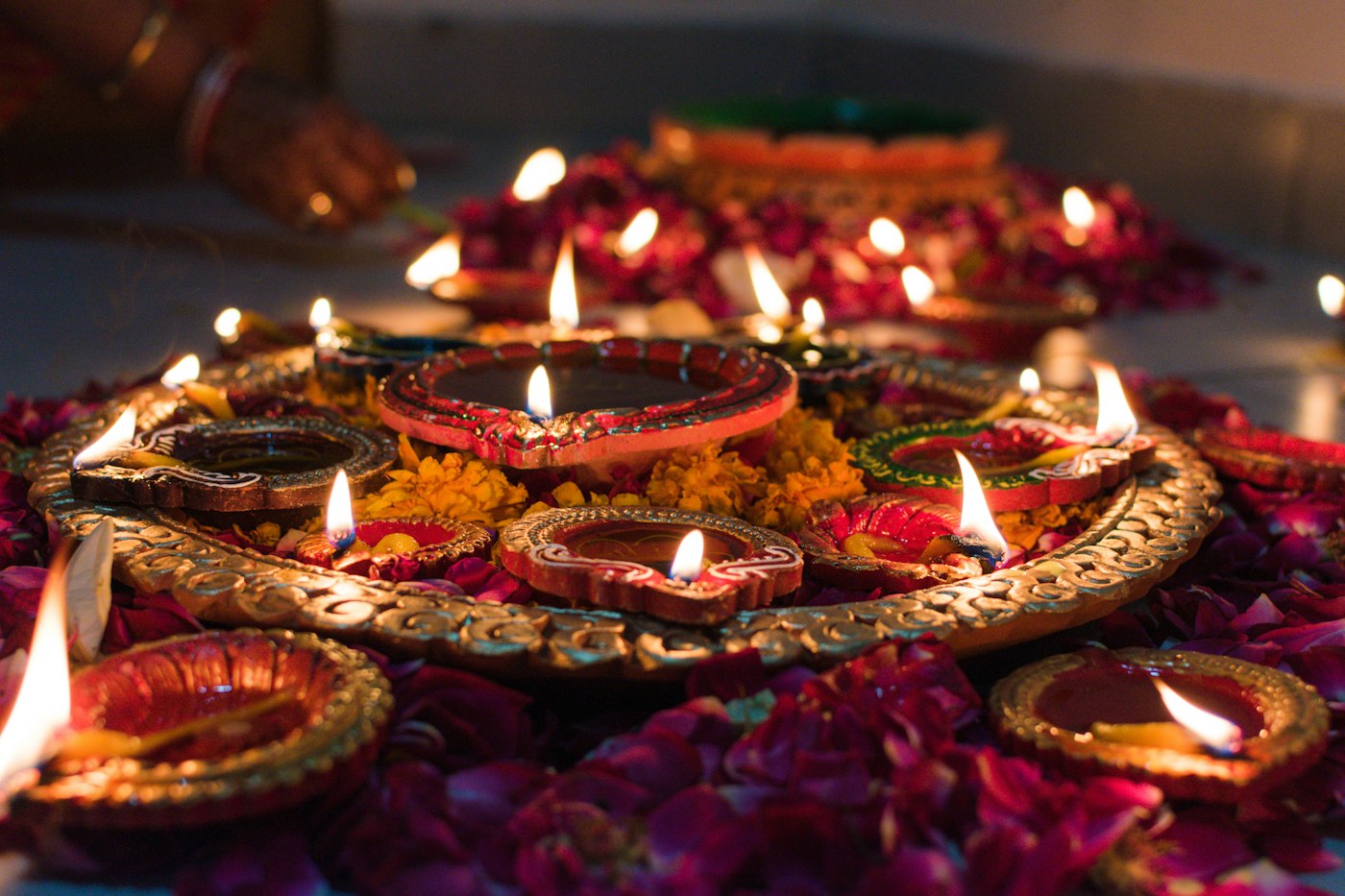
- 1 Mukhi Rudraksha: Round vs Half-Moon, Fakes, and Buying a Certified BeadThe rarest and most faked Rudraksha: the round and half-moon kinds, how fakes are made, and why a certified, individually X-rayed bead is the only safe purchase.
- 5 Mukhi Rudraksha: Meaning, Who Can Wear It, Sizes and How to BuyThe commonest and most traditional bead: its meaning, who may wear it, Nepal and Java sizes, care, and an honest word on benefits.
- 6 Mukhi Rudraksha: Meaning, Who Can Wear It, Sizes and Buying an Original BeadKartikeya's bead, popular with students and as a second bead after five mukhi: its meaning, sizes, the one common fake, and buying it with a report.
Origin, size and price
Why the same mukhi can cost ten times more.
- Rudraksha Types, Origins and Sizes: A Buyer's ReferenceOne reference for every Rudraksha type on the market: what the mukhi count means, how Nepal, Java and Indian beads differ, how size is measured and what each typically costs.
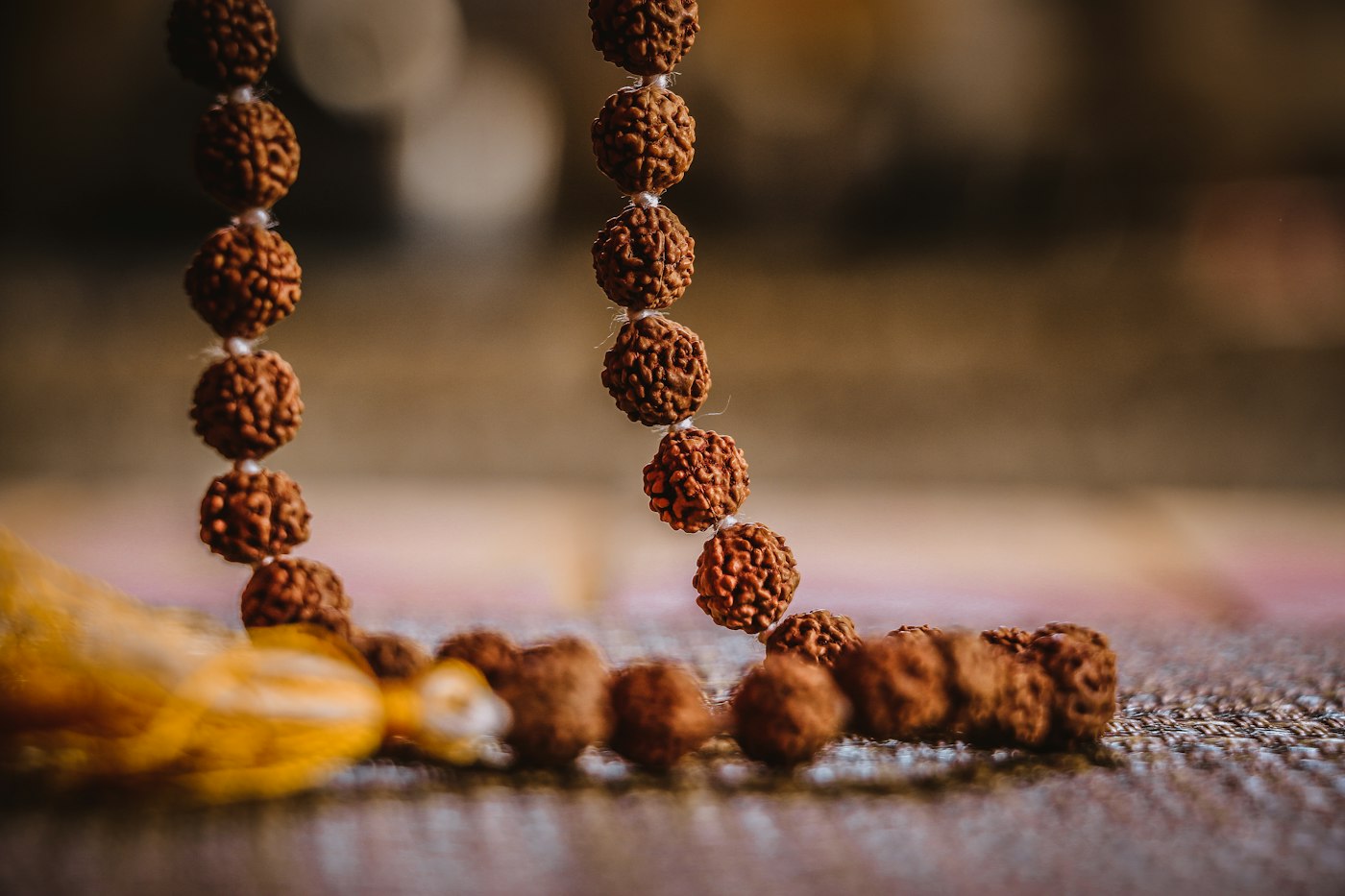
- Rudraksha Bead Size Guide: Bracelets, Malas, Kanthas and Collector BeadsWhich size suits a japa mala, a bracelet, a kantha or a single bead, how size is measured, how many beads fit, and what makes big beads costly.
- Rudraksha Quality and Price: What “AAA” and ₹15 Beads Really MeanWhy a Rudraksha can cost ₹15 or several lakh, what grade labels such as AAA actually tell you, and how to compare two beads on evidence rather than adjectives.
Testing and lab reports
What a report can prove, and how to read and verify one.
- How to Read a Rudraksha Lab Report: Fields, Report Types and 'Government-Certified' ClaimsEvery field on a Rudraksha report, individual versus batch and strand reports, when a report is worth paying for, and 'government-certified' claims.
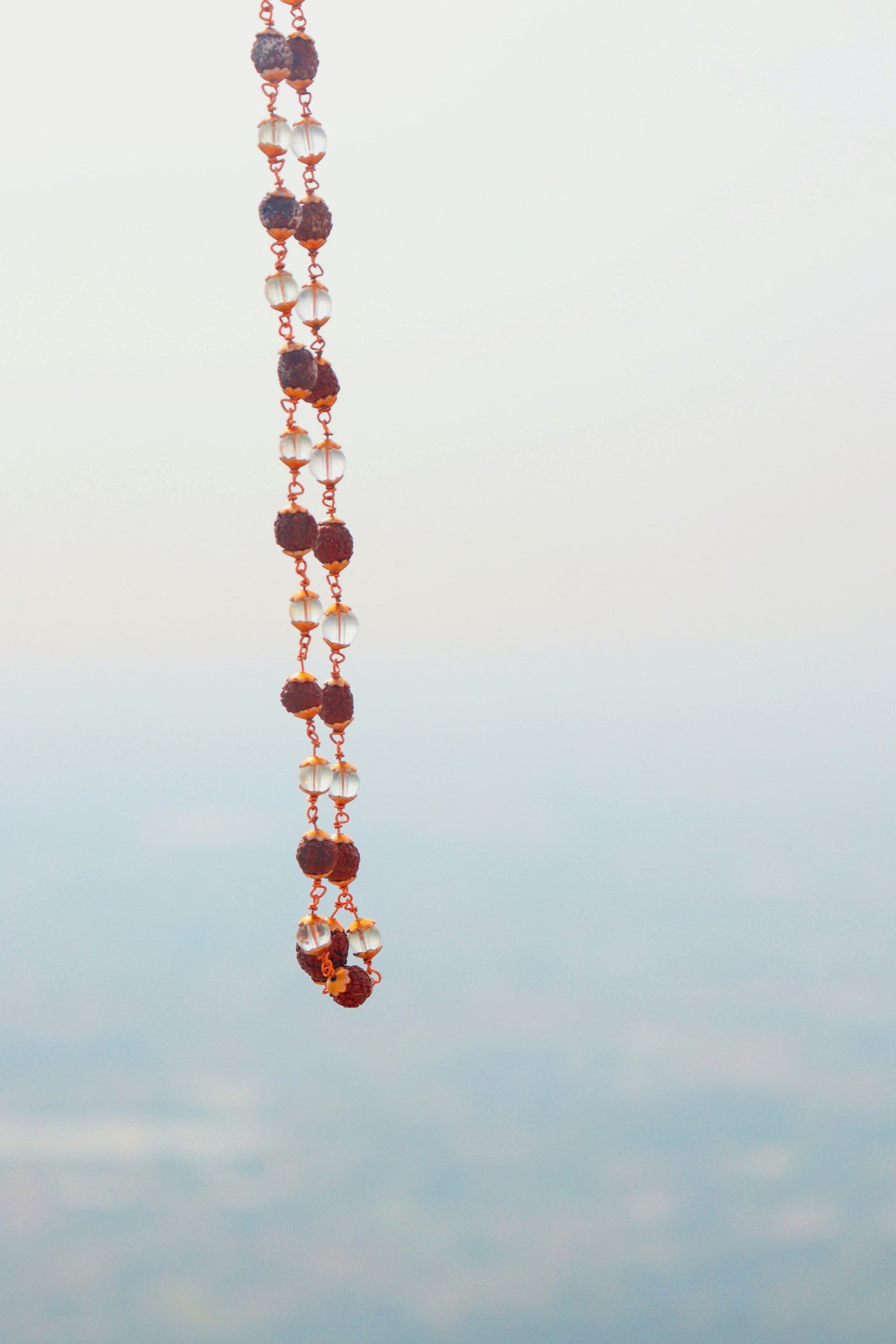
- How to Verify a Rudraksha Lab Report Online and Resolve MismatchesFind the right number, check it on the lab's own site, match the record to your bead, and what to do when something does not match.
- Rudraksha X-Ray Test Explained: What the Image Shows and What It CannotHow an X-ray sees inside a bead, why compartments usually match mukhis, how carving and joins show, and what no image can prove.
- Is the Rudraksha Water Test Reliable? Sinking, Floating and Better ChecksReal beads can float and fakes can sink. Why the water test misleads, what makes a bead sink, and the checks that actually work.
Malas and wearing
Bead counts, stringing and the customs of wearing.
- Japa Mala Beads: Why 108, and When to Use 54 or 27Why 108 is the standard count, what 54 and 27-bead malas are for, which mukhi beads make a mala, and how to count rounds.
- Rudraksha Malas, Bracelets and Kanthas: How to Choose or Design OneA practical guide to the three ways Rudraksha is worn or used: the japa mala for counting, the bracelet, and the kantha necklace, including Siddh and Indra malas and what to check before you order a custom piece.
- When and How to Wear Rudraksha: Best Day, Mantra, Sleeping, Bathing and RulesThe traditional day to start, a simple first-wearing ritual, what customs say about sleep, bathing and other times, and daily care.
- How to Energise a Rudraksha at Home: Meaning, Simple Puja and CareWhat 'energising' means, a short home puja with mantra, what paid energisation services do, and how to clean and oil a bead safely.
Buying
Choosing a seller and ordering online, with any seller.
- How to Choose a Rudraksha Seller: Ten Checks Before You PayTen things a trustworthy Rudraksha seller does, the warning signs that should make you walk away, and how AYU4 assessed GemKrishna's public terms against the same list.
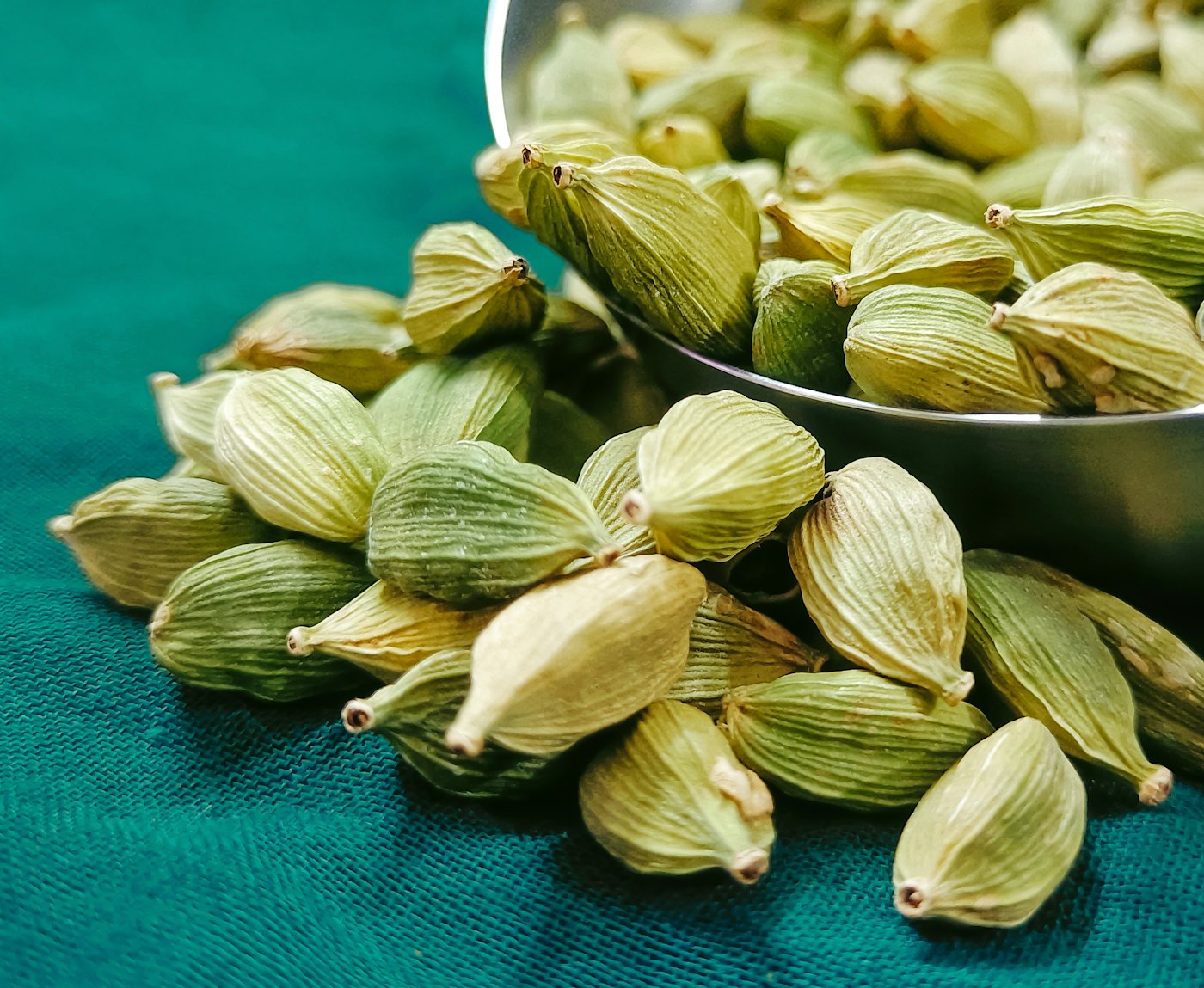
- Ordering Rudraksha Online: What to Ask, Paying Safely, Reports and ReturnsA checklist that works with any seller: what to ask before you pay, how to pay safely, which report you should get, how returns and refunds differ, what to check on delivery and where to go if something goes wrong.
- Buying Rudraksha Online: The Questions Buyers Ask, Seller Reviews and ComplaintsIs this seller legit? Is my bead real? Why so cheap? The questions buyers keep asking in forums, answered, plus how to read reviews and where complaints go.
- Rudraksha Shops in Delhi and Near You: How to Judge Any Local ShopWe do not list shops we cannot verify. Instead: where Rudraksha is usually sold, a checklist that works in any shop in Delhi or your town, and how to test a bead you bought.
- GemKrishna Rudraksha Reviews: What Public Reviews Say, and How to Verify It YourselfA dated summary of GemKrishna's public reviews, including the complaints, what we could not find, and how to check its lab reports yourself rather than trusting anyone's word.
हिन्दी में
Rudraksha guides in Hindi.
- असली रुद्राक्ष कैसे पहचानें? मुखी रेखाएँ, नक्काशी, जोड़ और लैब जाँचप्राकृतिक मुखी रेखाएँ कैसी दिखती हैं, नक्काशी और जोड़ कैसे पकड़े जाते हैं, घरेलू जाँचें क्यों धोखा देती हैं, और लैब कब ज़रूरी है।
- रुद्राक्ष की लैब रिपोर्ट ऑनलाइन कैसे चेक करें, और गड़बड़ी हो तो क्या करेंसही नंबर खोजें, लैब की अपनी साइट पर जाँचें, रिकॉर्ड को दाने से मिलाएँ, और मेल न खाए तो क्या करें।
- रुद्राक्ष कब और कैसे पहनें? शुभ दिन, मंत्र, सोते और नहाते समय के नियमशुरू करने का पारंपरिक दिन, पहली बार पहनने की आसान विधि, सोने, नहाने और दूसरे समय की मान्यताएँ, और रोज़ की देखभाल।
- असली रुद्राक्ष कहाँ से खरीदें? विक्रेता चुनने की दस जाँचेंभरोसेमंद रुद्राक्ष विक्रेता की दस पहचान, किन संकेतों पर खरीद रोक देनी चाहिए, और AYU4 ने इन्हीं जाँचों पर GemKrishna की प्रकाशित शर्तें कैसे परखीं।