The 6 mukhi Rudraksha
Kartikeya's bead, popular with students and as a second bead after five mukhi: its meaning, sizes, the one common fake, and buying it with a report.
The short answer
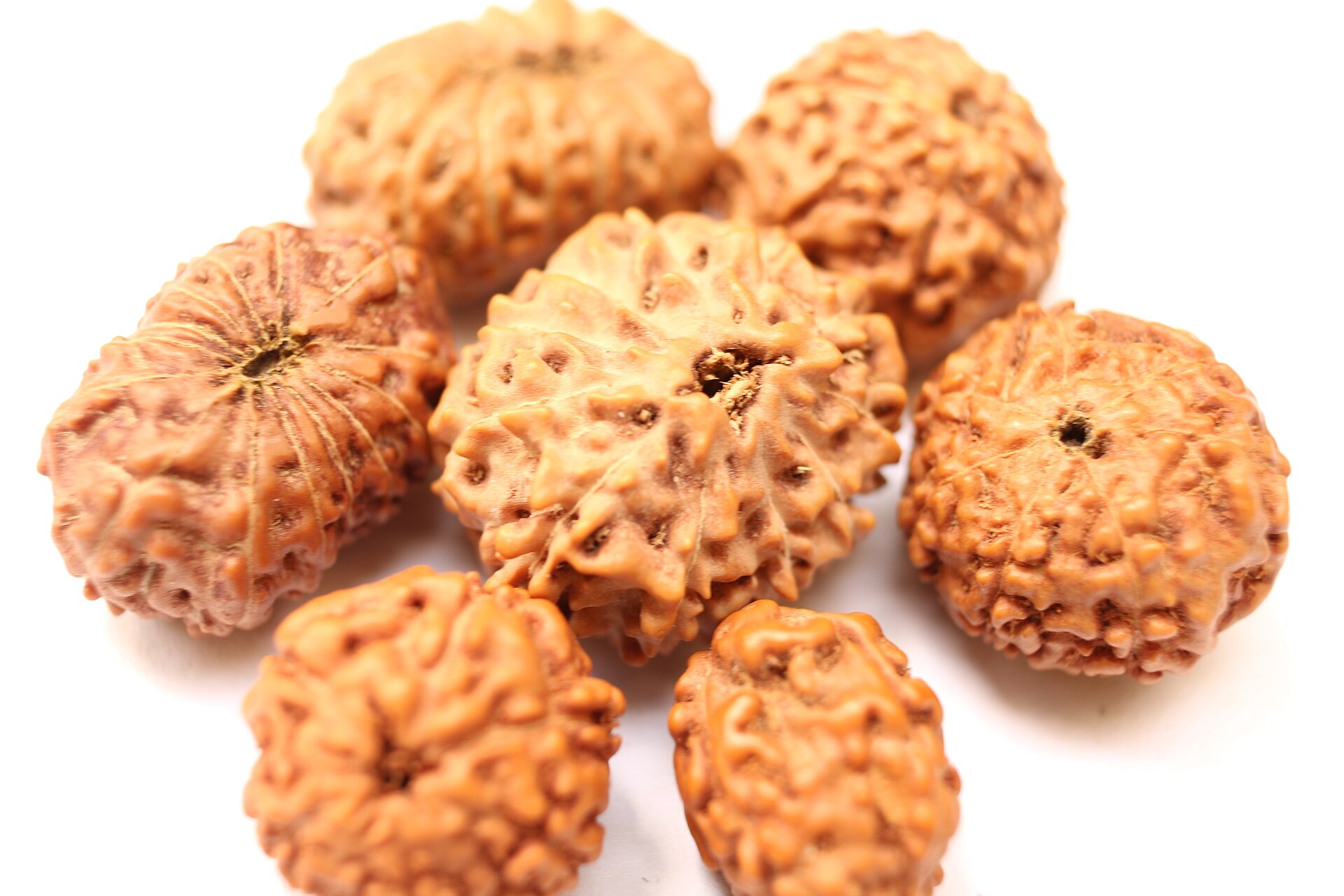
A 6 mukhi Rudraksha has six natural grooves from pole to pole. Tradition links it with Kartikeya, Shiva's son, and modern lists with Venus (Shukra). After five mukhi it is one of the most popular beads: common, affordable in small Java sizes and in mid-size Nepal beads, and often given to students. Anyone may wear it. The one fake to watch for is a five mukhi bead with a sixth line carved in, so check that every groove runs from pole to pole, and for a costly Nepal bead ask for an individual X-ray report. No study shows a medical effect.
In this guide
What a 6 mukhi bead is
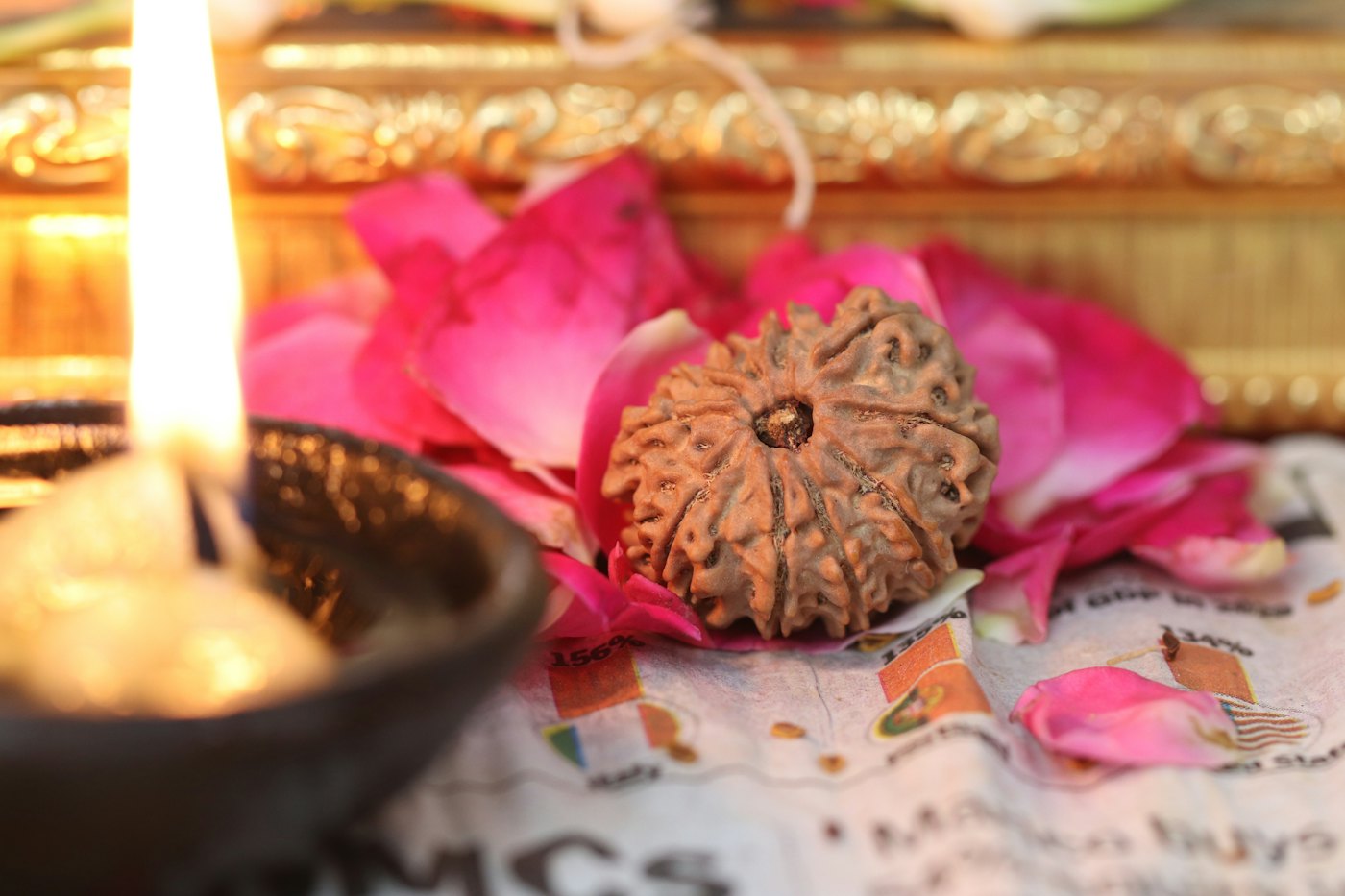
Each mukhi is the seam between two segments of the fruit stone, so a six mukhi bead grew six segments, usually with six seed chambers inside. Six mukhi beads are common, though less so than five. Nepal beads are large with deep, clear grooves; Java beads are small and smooth and are often strung into malas and bracelets. For how each origin looks and costs, see types of Rudraksha.
6 mukhi Rudraksha in tradition
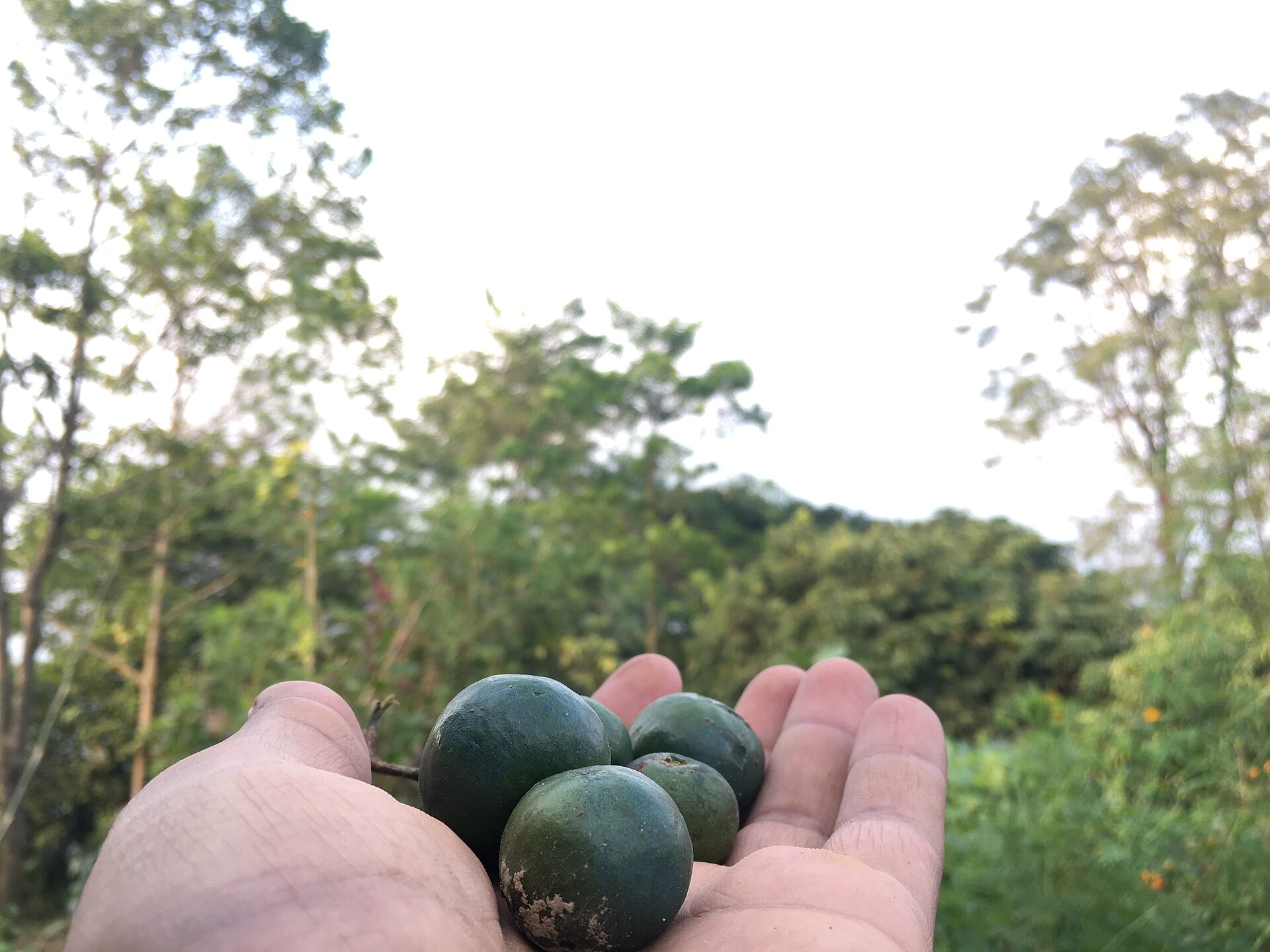
The Shiva Purana names the six-faced bead as Kartikeya (Shanmukha, the six-faced god of war and learning) and says it should be worn on the right arm. Modern lists link it with Shukra (Venus). In practice many families give a 6 mukhi bead to children and students, or wear it with a 5 mukhi bead in a bracelet. Like five mukhi, it is considered suitable for anyone, without special rules.
The six-faced bead carries Kartikeya's blessing: focus, courage and the discipline of a student. Linked with Venus, it is also said to help with relationships and the arts.
No controlled study shows that a 6 mukhi bead improves concentration, relationships or anything else. It can be a meaningful reminder of a deity or a goal. What can be checked is whether the six grooves are natural.
Sizes and price
Java 6 mukhi beads are usually 6 to 12 mm and cost little; Nepal beads are commonly 15 to 25 mm and cost more as size and form improve. As one dated reference, GemKrishna's catalogue on 3 November 2026 listed 6 mukhi beads from about ₹15 for small Java beads, with larger Nepal beads priced higher; see our Rudraksha price guide for what changes the price. A costly bead should come with an individual report.
How to spot a fake 6 mukhi
Because five mukhi beads are cheaper, the classic fake is a five mukhi with one extra line carved in. A carved line usually stops short of a pole, has sharper, cleaner edges and a smoother floor than the natural ones, and on an X-ray there is no seed chamber behind it. Glued and filled beads are rarer for this mukhi. Read how to identify a fake Rudraksha for the full method.
Wearing a 6 mukhi bead
Traditionally it is worn on the right arm or at the throat on a red or black thread, started on a Monday morning after bathing with Om Namah Shivaya or a Kartikeya mantra from your tradition. Care is the same as for any bead: keep soap off it, dry it after sweating and oil it lightly now and then. See when and how to wear Rudraksha.
Where to buy 6 mukhi Rudraksha
If you have decided to buy, choose a seller that gives authenticity you can check yourself: a lab or X-ray report you can verify online. Here are options we can point to; AYU4 takes no commission from any seller.
- GemKrishna: its 6 mukhi Nepal Rudraksha, priced by size (a Java version is also listed). A good starting point, which we independently consider a reliable source; AYU4 has no connection to it.
- bambhole.com: its 6 mukhi Rudraksha, Nepal and Java. AYU4's owner also runs bambhole.com.
- Rudra Centre: its 6 mukhi Rudraksha. A Mumbai seller, established 1997, that publishes its address, lab certificates and return policy.
- Temple shops and spiritual stores: often fine for everyday items such as a five mukhi mala, if they pass the same checks. See how to judge any local shop.
Judge any seller, including these, with our guides to how to choose a seller, and how to read a Rudraksha lab report.
Questions readers ask
6 mukhi rudraksha kaun pehne?
Anyone can wear it. Traditionally it is popular with students and is often worn with a 5 mukhi bead.
What are the benefits of 6 mukhi Rudraksha?
Tradition links it with Kartikeya and Venus: focus, courage, relationships. No study shows a medical or measurable effect.
How do I know a 6 mukhi Rudraksha is original?
Check that all six grooves run unbroken from pole to pole. For a costly Nepal bead, ask for an individual X-ray report and verify it online.
Is 6 mukhi Rudraksha expensive?
No. Small Java beads cost very little; larger, well-formed Nepal beads cost more.
Sources
- Shiva Purana, Vidyeshvara Samhita, chapter on the greatness of Rudraksha. Classical text; describes beads of one to fourteen faces
- Elaeocarpus angustifolius (syn. E. ganitrus), Plants of the World Online, Royal Botanic Gardens, Kew
- GJSPC: Rudraksha testing (the laboratory's own description)
- The Drugs and Magic Remedies (Objectionable Advertisements) Act, 1954
A note on health. This guide explains a tradition. It is not medical advice, and nothing in it is a treatment for any disease. See a qualified doctor for symptoms, and do not stop or change a prescribed medicine on the strength of anything you read here. Full medical disclaimer.