Yoga nidra, yogic sleep
A guided rest, lying down, between waking and sleep. Here is how a session works, and what studies show.
The short answer
Yoga nidra (“yogic sleep”) is a guided practice done lying in shavasana. A teacher or recording leads you through a resolve (sankalpa), a rotation of attention around the body, awareness of the breath, contrasting sensations and images, and back. The modern form was set out by Swami Satyananda Saraswati of the Bihar School of Yoga in the 1960s and 70s. Small studies report better sleep and lower anxiety; most are short and not blinded. It is gentle and suits most people.
In this guide
What yoga nidra is
Yoga nidra aims at a state of deep rest in which the body sleeps but awareness stays. The phrase is old, but the practice as it is taught today was systematised by Swami Satyananda Saraswati, who drew on tantric practices such as nyasa, placing awareness on parts of the body, and published Yoga Nidra in 1976. Similar methods are taught as body-scan meditation and, more recently, as “non-sleep deep rest”.
In yoga nidra the mind becomes receptive. A sankalpa planted at this time is said to take root deeply, and the practice relieves tension in body, mind and emotions.
Small trials, mostly from India, report better sleep quality and lower anxiety and stress after a few weeks of practice, and a related programme (iRest) has been studied with US military veterans. Most studies are small, short and unblinded. Body-scan practices also appear in mindfulness programmes with moderate evidence for stress.
The stages of a session
- Settling. Lie on your back in shavasana, arms a little away from the body, palms up, eyes closed. Use a pillow and blanket.
- Sankalpa. Make a short, positive resolve in your own words and repeat it three times.
- Rotation of consciousness. The guide names parts of the body in a set order, right thumb, index finger, middle finger and so on, and you place your attention on each one without moving.
- Breath awareness. Notice the natural breath, perhaps counting backwards from 27.
- Opposites. Feel heaviness, then lightness; warmth, then coolness.
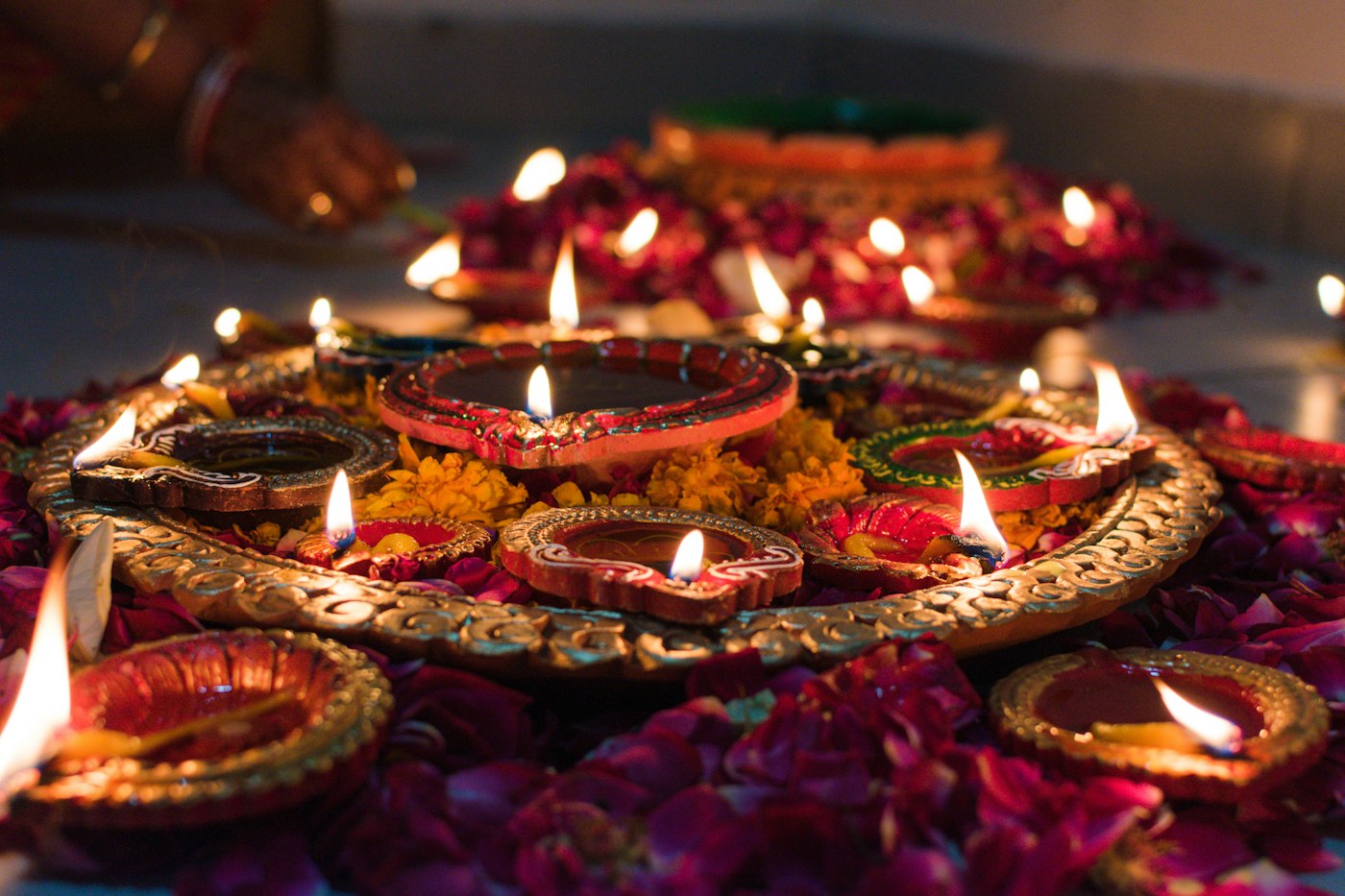
- Images. The guide names simple images, a lit lamp, a temple, a river at dawn, and you let each appear.
- Sankalpa again, three times.
- Return. Become aware of the room and the sounds, move slowly, roll to one side and sit up.
A 20-minute practice
Falling asleep is common at first and does no harm; with practice you stay aware for longer. Some people find lying still with eyes closed brings up difficult memories or anxiety. If so, open your eyes, sit up and stop; see when meditation needs care.
Yoga nidra can help you rest, but it is not a treatment for insomnia, depression or anxiety disorders. Related: pranayama and a five-minute meditation.
Questions readers ask
What is yoga nidra?
A guided practice, done lying down, that leads attention around the body and through breath and images towards deep rest while staying aware.
Is yoga nidra the same as sleep?
No. The aim is deep rest with awareness. Falling asleep is common at first and harmless.
How long is a yoga nidra session?
Usually 20 to 45 minutes. A 20-minute session is a good start.
Can yoga nidra help with sleep?
Small studies report better sleep quality, but they are short and limited. It is not a treatment for insomnia; see a doctor if poor sleep persists.
What is a sankalpa?
A short, positive resolve made at the beginning and end of the practice, in your own words.
Sources
- Swami Satyananda Saraswati. Yoga Nidra. Bihar School of Yoga, 1976
- NCCIH: Meditation and Mindfulness: Effectiveness and Safety
- Goyal M, et al. Meditation programs for psychological stress and well-being: a systematic review and meta-analysis. JAMA Internal Medicine, 2014
A note on health. This guide explains a tradition. It is not medical advice, and nothing in it is a treatment for any disease. See a qualified doctor for symptoms, and do not stop or change a prescribed medicine on the strength of anything you read here. Full medical disclaimer.