Trataka, steady gazing
Trataka is a concentration practice: gazing steadily at a small point, usually a flame, then holding its image with the eyes closed. Here is how to do it without straining the eyes.
The short answer
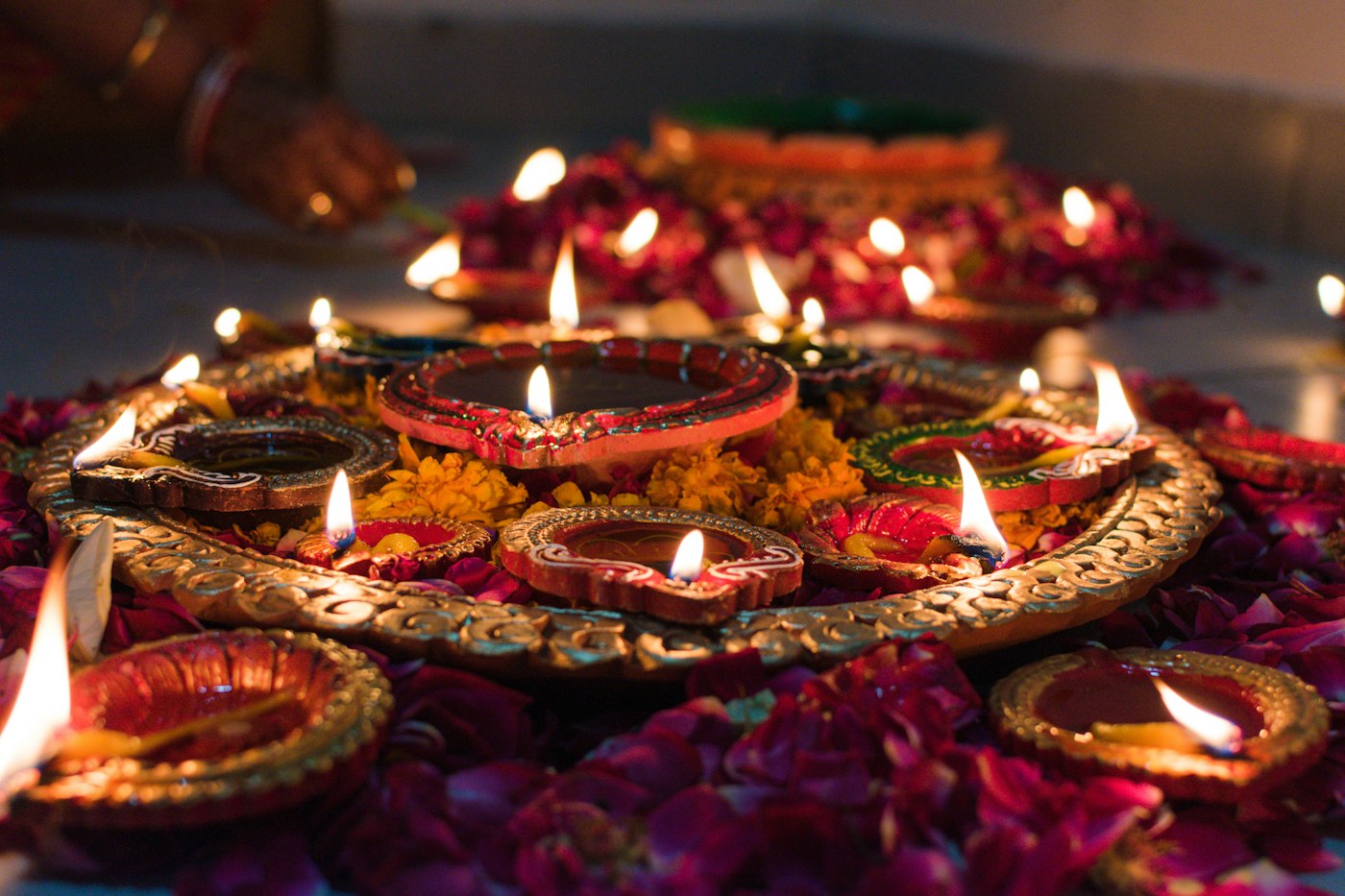
Trataka is a concentration practice from hatha yoga: you gaze steadily at a small point, usually a candle or diya flame at arm's length, for a minute or two, then close your eyes and hold the after-image. The Hatha Yoga Pradipika lists it among the six cleansing practices. A few small studies report better attention scores. Keep sessions short, blink when you need to, never gaze at the sun, and avoid it with eye disease, recent eye surgery or epilepsy unless your doctor agrees.
In this guide
What trataka is
The Hatha Yoga Pradipika (2.31) defines trataka as looking with an unwavering gaze at a small point until tears come, and lists it among the six cleansing practices (shatkarma). It is a practice of dharana, concentration, the sixth of Patanjali's limbs. The flame is the usual object (jyoti trataka), though a dot, an image or the tip of the nose are also used.
Trataka steadies the restless mind, strengthens concentration and memory, and, according to the Hatha Yoga Pradipika, removes eye diseases and sloth.
A few small studies, mostly from India, report better attention and working-memory scores after weeks of practice. There is no evidence that trataka improves eyesight or treats eye disease; staring without blinking dries the eyes. As a concentration exercise it is reasonable; as an eye treatment it is not.
How to practise
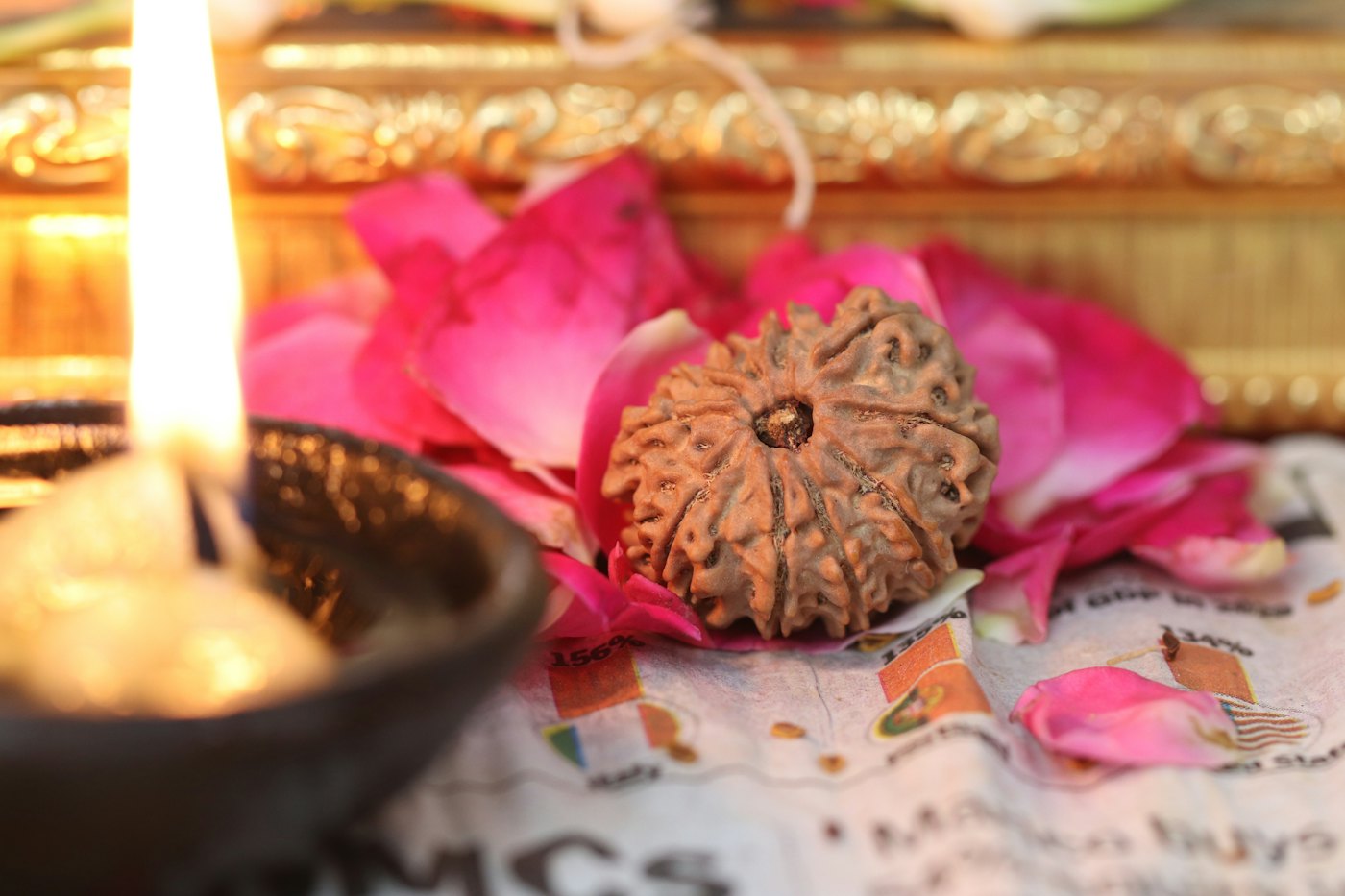
- Sit in a dark, draught-free room. Place a candle or ghee diya on a stable, fireproof surface at arm's length, with the flame at eye level.
- Close your eyes and settle the breath for a minute.
- Open your eyes and look at the wick tip, just below the flame. Keep the gaze soft and steady.
- After about one minute, or sooner if the eyes water or sting, close them. Watch the after-image of the flame in front of the closed eyes until it fades.
- Repeat two or three times. Build up slowly over weeks, to no more than a few minutes of gazing.
- Finish by cupping warm palms over the closed eyes, then open them slowly.
Safety
- Eyes: blink when you need to; do not force tears. Skip trataka if you have glaucoma, severe dry eye, an eye infection or recent eye surgery, and take contact lenses out first.
- Epilepsy and migraine: flickering light can trigger symptoms in some people. Check with your doctor.
- Fire: keep the flame away from curtains, hair and cloth, never leave it burning, and put it out after practice.
- Mental health: intense concentration practices can bring up unusual experiences. Keep sessions short; see when meditation needs care.
Related: japa, pranayama and the mindfulness guide.
Questions readers ask
What is trataka?
A hatha yoga concentration practice of gazing steadily at a small point, usually a flame, then holding its after-image with the eyes closed.
How long should I do trataka?
Start with about one minute of gazing, repeated two or three times, and build up slowly. Stop if the eyes sting.
Does trataka improve eyesight?
There is no evidence that it improves eyesight or treats eye disease. Staring without blinking can dry the eyes.
Is sun gazing safe?
No. Looking at the sun can permanently damage the retina. Use only a candle or lamp.
Who should avoid trataka?
People with glaucoma, severe dry eye, eye infections, recent eye surgery, or epilepsy or migraine triggered by flickering light, unless their doctor agrees.
Sources
- Svatmarama, Hatha Yoga Pradipika, chapter 2 (pranayama and the six cleansing practices). 15th century
- Patanjali, Yoga Sutras, Sadhana Pada and Vibhuti Pada
- American Academy of Ophthalmology: Solar retinopathy
- NCCIH: Meditation and Mindfulness: Effectiveness and Safety
A note on health. This guide explains a tradition. It is not medical advice, and nothing in it is a treatment for any disease. See a qualified doctor for symptoms, and do not stop or change a prescribed medicine on the strength of anything you read here. Full medical disclaimer.