Hessonite, or gomed
Gomed is worn for Rahu. It is an orange-brown garnet with a distinctive treacly look under a lens, rarely treated but often imitated in glass. Here is what to check.
The short answer
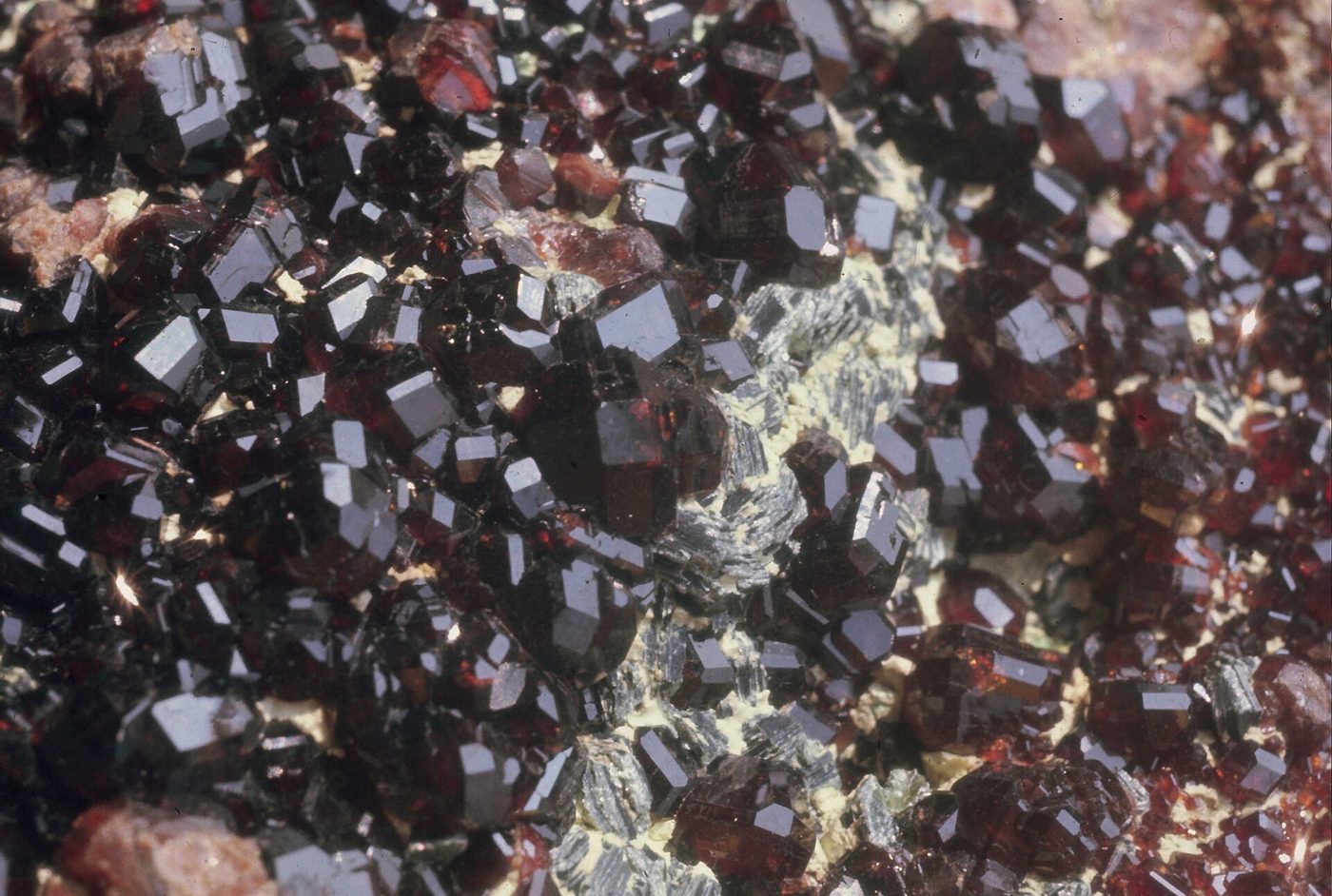
Hessonite (gomed) is the gem of Rahu, the moon's north node, in Jyotish. It is a variety of grossular garnet, orange to brownish red, hardness about 7. Under a lens it shows a swirling, “treacly” look caused by tiny included crystals, which helps a gemmologist identify it. It is rarely treated, and good stones are relatively affordable, but glass imitations are common. Ask for a report that names grossular garnet, hessonite.
In this guide
What hessonite is
Hessonite is a calcium-aluminium garnet (grossular) coloured by iron and manganese. Its colour runs from honey and orange to a deep cinnamon brown, the shade of the cow's urine that its Sanskrit name gomeda is often said to refer to. Under magnification many stones show a roiled, syrupy texture, a recognised identifying feature. Sri Lanka is the classic source (“Ceylon gomed”), with others in India, East Africa, Madagascar and Brazil.
| Mineral | Grossular garnet, orange-brown from iron and manganese |
|---|---|
| Hardness | About 7 (6.5 to 7.5) |
| Specific gravity | About 3.6 |
| Main sources | Sri Lanka, India, Tanzania, Kenya, Madagascar |
| Hindi and Sanskrit | Gomed, gomeda |
Hessonite (gomed) in Jyotish
Gomed is worn to pacify Rahu, a shadow graha associated with confusion, sudden events, foreign connections and ambition. Astrologers typically recommend it during a Rahu period (dasha) or when Rahu is judged troublesome in the chart.
- Graha: Rahu, the north lunar node.
- Day to first wear it: Saturday, commonly in the evening.
- Finger and metal: the middle finger, set in silver or panchdhatu.
- Substitutes (upratna): lower grades of hessonite itself are inexpensive, so substitutes are rarely needed.
Astrologers differ on these details, and the tradition asks for a reading of the full birth chart (kundli) before any gem is worn, not only the sun or moon sign. Our guide to gemstones and zodiac signs explains why.
Gomed calms the unsettling influence of Rahu: confusion, fear and sudden setbacks. It should be clear, of an even honey or cow's-urine colour, without cracks or dark spots.
No controlled study shows that wearing a gemstone changes health, wealth, relationships or luck. The claim cannot be tested by a laboratory. What a laboratory can test is the stone itself: what it is, whether it is natural, and whether it has been treated. Those facts decide its price, and they are what you should insist on.
Treatments, synthetics and imitations
Hessonite is rarely treated. The risk is being sold something else.
| What you might be sold | What it is | What a report says |
|---|---|---|
| Glass imitation | Orange-brown glass, often with round gas bubbles under a lens | “Glass” |
| Other orange garnets or zircon | Spessartine garnet or brown zircon sold as gomed | Names the actual mineral |
| Synthetic or assembled stones | Uncommon for hessonite but possible | Names the material |
Treatment is not dishonest when it is disclosed; undisclosed treatment is. Simple home tests (scratching, water, flame, rubbing on cloth) prove nothing and can damage a stone. See how to tell whether a gem is natural.
Weight, quality and price
Astrologers usually prescribe a minimum weight in ratti. Sellers convert ratti to carats differently, most often at about 0.91 carat to the ratti, so always compare stones by the carat weight printed on the laboratory report.
Clarity and colour decide the price: clear stones of a bright honey or orange colour cost more than dark, cloudy or brownish ones. Large, clean hessonite is still modestly priced compared with sapphire or emerald, so very cheap “gomed” in big sizes deserves a report.
Wearing and care
Hessonite is moderately hard. Clean it in warm soapy water with a soft brush, and keep it from knocks and sudden temperature changes. Store it apart from harder gems that could scratch it.
Buying hessonite sensibly
- Get the recommendation in writing: gem, minimum weight, metal and finger.
- Ask for a laboratory report for this exact stone that names the species (grossular garnet, hessonite), states natural or synthetic, and discloses any treatment.
- Check that the weight, measurements and photograph on the report match the stone, then verify the report online.
- Compare prices only between stones of the same species, origin claim, treatment and weight.
- Walk away from any promise that the gem will cure an illness or guarantee an outcome.
Readers often ask where to buy. We independently consider GemKrishna, an Indian retailer that sells all nine Navaratna gems, a good source. Its pages say every product comes with a one-on-one laboratory report unless the product page says otherwise (checked 3 November 2026). AYU4 has no relationship with it of any kind. The same checks apply to any seller. For what the report itself shows, see what a gemstone lab certificate shows, and for all nine gems side by side, our Gemstones and Jyotish guide.
Where to buy
If you have decided to buy, choose a seller that gives authenticity you can check yourself: a lab or X-ray report you can verify online. Here are options we can point to; AYU4 takes no commission from any seller.
- GemKrishna: its hessonite (gomed) collection, each with a report number. A good starting point, which we independently consider a reliable source; AYU4 has no connection to it.
- Rudra Centre: its gomed (hessonite) stones. A Mumbai seller, established 1997, that publishes its address, lab certificates and return policy.
- Spiritual and crystal stores near you: fine for common stones, if they name the exact stone, disclose dyeing or heating and give a bill. See what to check.
Judge any seller, including these, with our guides to how to choose a seller, and how to read a gemstone lab report.
Questions readers ask
Gomed kaun pehne?
In Jyotish, gomed (hessonite) is the gem of Rahu. Rahu rules no sign, so astrologers choose it from the chart and the running dasha, and they differ. No study shows it changes outcomes.
What is gomed stone?
Gomed is the Hindi name for hessonite, an orange-brown grossular garnet, worn in Jyotish for Rahu.
How can I tell real gomed from glass?
A gemmologist looks for the treacly texture typical of hessonite and checks refractive index and density; glass often shows round bubbles. Ask for a laboratory report.
Which finger is gomed worn on?
Usually the middle finger, in silver or panchdhatu, first worn on a Saturday evening.
Is gomed expensive?
Compared with sapphire or emerald, good hessonite is affordable. Price rises with clarity and a bright, even colour.
Sources
- GIA Gem Encyclopedia: Garnet (grossular, hessonite)
- Mindat.org: Grossular
- Varahamihira, Brihat Samhita, chapters on gems (ratna pariksha), 6th century
- Garuda Purana, Purva Khanda, chapters on the examination of gems
- AYU4 guide: what a gemstone lab certificate shows
A note on health. This guide explains a tradition. It is not medical advice, and nothing in it is a treatment for any disease. See a qualified doctor for symptoms, and do not stop or change a prescribed medicine on the strength of anything you read here. Full medical disclaimer.