Which crystals can go in water?
Cleansing rituals use water, salt, sun and moon. Some crystals dissolve, rust or fade under them, and a few are toxic in water. Here is a chart, and safe alternatives.
The short answer
Which crystals can go in water? Hard quartz crystals (clear quartz, amethyst, citrine, rose quartz) and black tourmaline can be rinsed in water. Soft or porous stones (selenite, malachite, turquoise, lapis lazuli, hematite, pyrite) should stay dry: they dissolve, stain, rust or crack. Salt scratches soft stones and corrodes metal settings. Strong sunlight fades amethyst, rose quartz, kunzite, fluorite and dyed stones, and crystal spheres can start fires. Never put toxic minerals such as malachite in drinking water. Moonlight, smoke or sound cleanse any stone safely.
In this guide
Why care matters
Crystal practice “cleanses” stones to clear absorbed energy, using water, salt, sunlight, moonlight, smoke or sound. Whatever you believe about energy, the stones are real minerals, and some are damaged by these methods. Hardness on the Mohs scale is a good first guide: below about 6, a stone scratches with everyday wear and is more likely to be porous.
The chart
| Crystal | Hardness | Water | Salt | Sunlight |
|---|---|---|---|---|
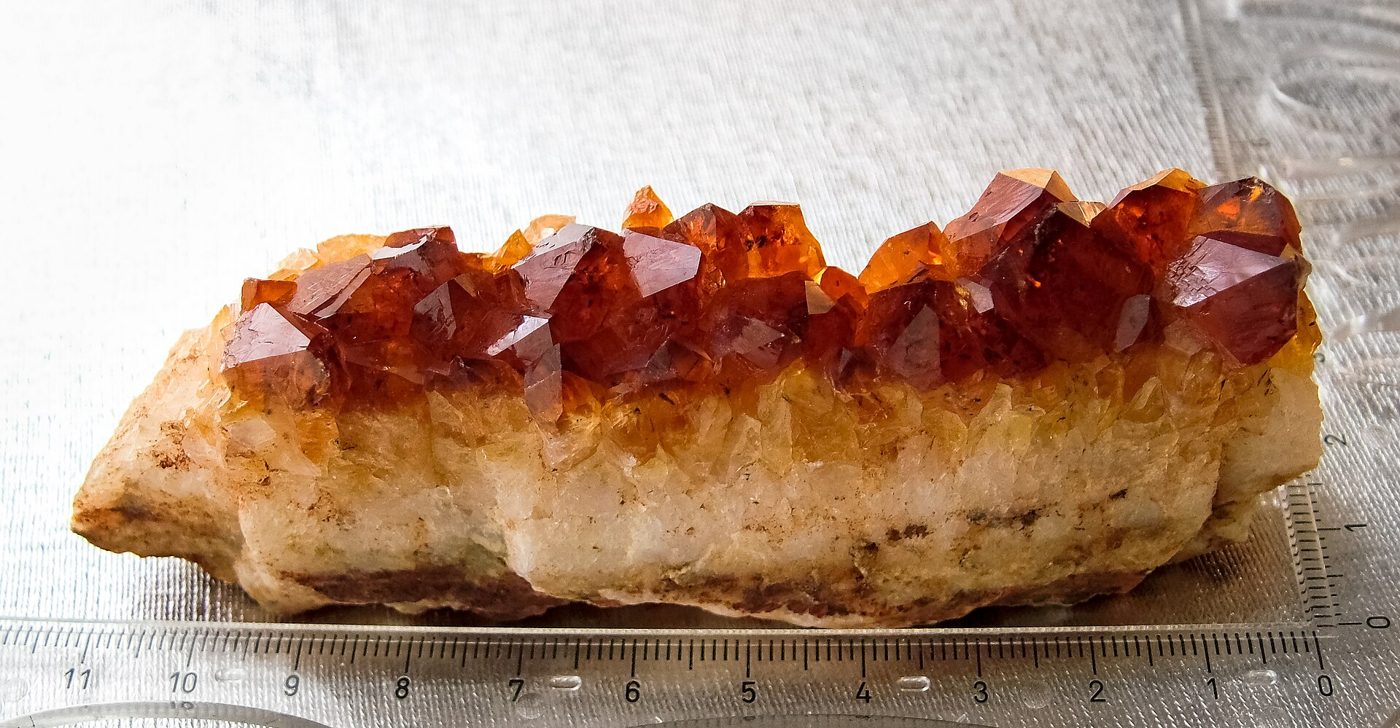
| Clear quartz, amethyst, citrine, rose quartz | 7 | Yes | Avoid with metal parts | Amethyst and rose quartz fade; spheres can start fires |
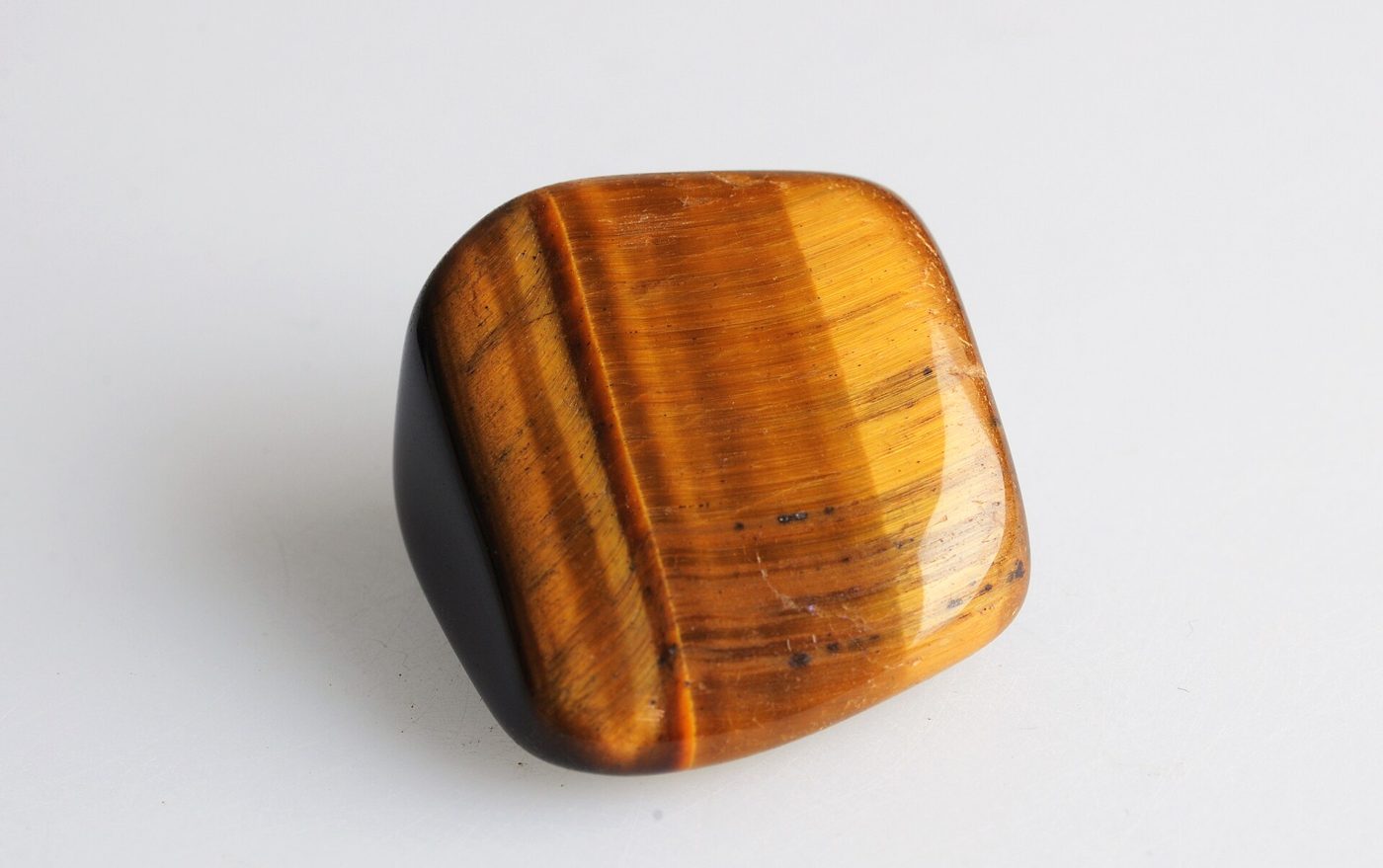
| Tiger's eye | 6.5–7 | Yes | Avoid if dyed | Dyed pieces fade |
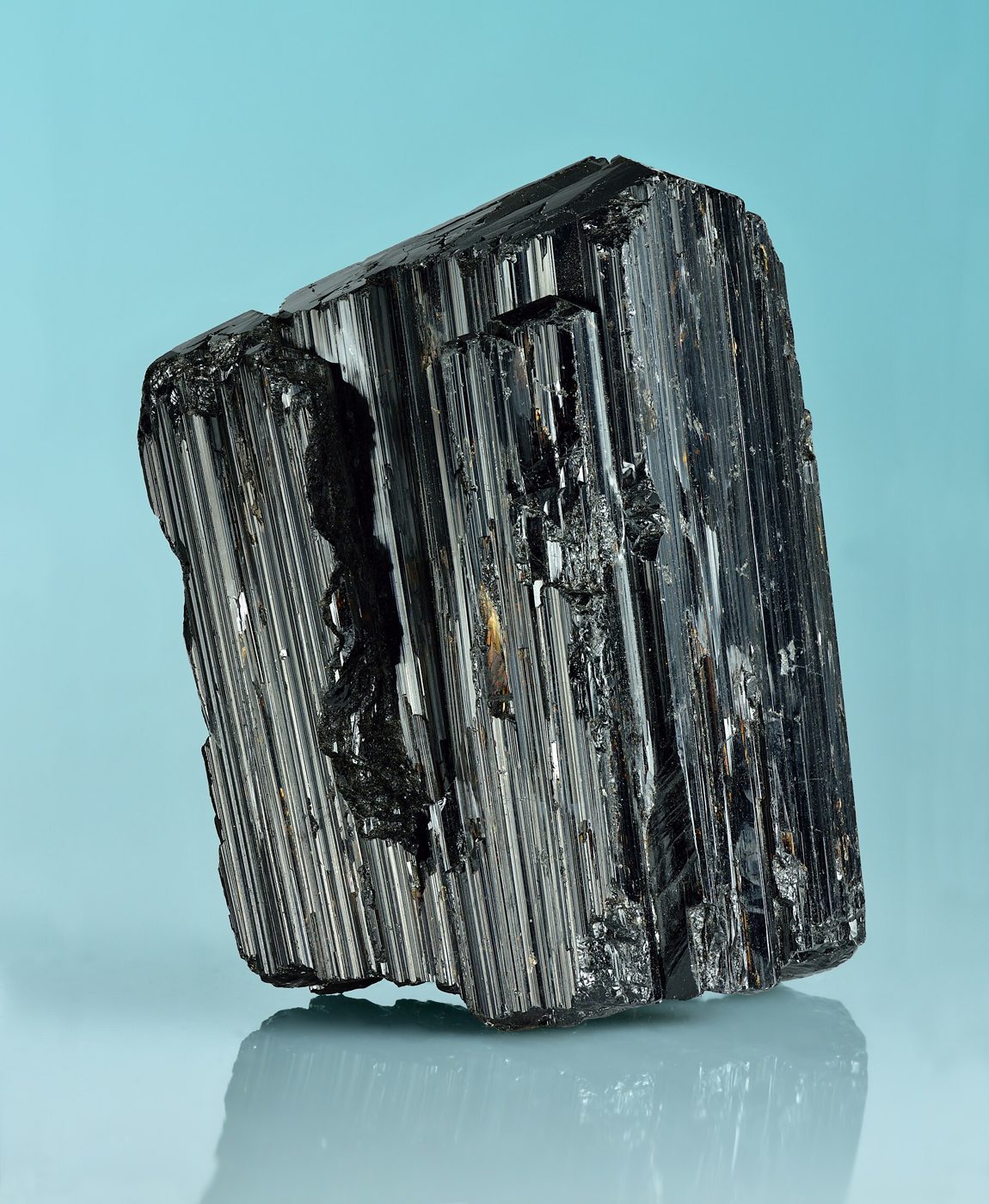
| Black tourmaline | 7–7.5 | Yes | Avoid | Stable |
| Smoky quartz | 7 | Yes | Avoid with metal parts | May fade |
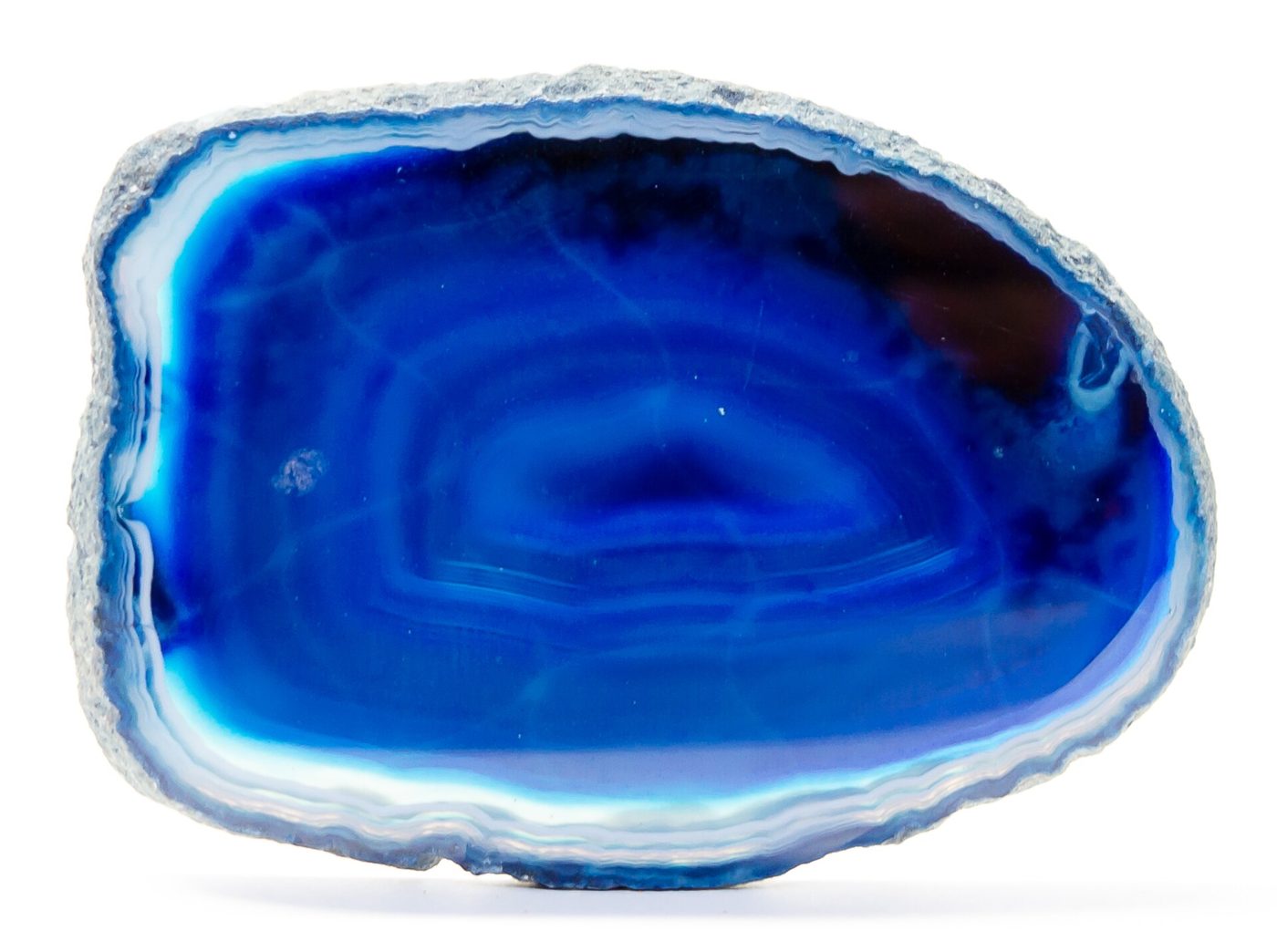
| Agate and carnelian | 6.5–7 | Yes | Avoid if dyed | Dyed agate fades |
| Moonstone and labradorite | 6–6.5 | Briefly | Avoid | Stable |
| Hematite and pyrite | 5.5–6.5 | No: can rust or tarnish | No | Stable |
| Lapis lazuli | 5–5.5 | No | No | Stable; avoid heat |
| Turquoise | 5–6 | No: porous | No | Can change colour |
| Opal | 5.5–6.5 | Briefly; never soak | No | Avoid heat and dryness |
| Fluorite | 4 | Briefly | No | Fades |
| Malachite | 3.5–4 | No | No | Dust is toxic; never make elixirs |
| Kunzite | 6.5–7 | Yes | Avoid | Fades quickly; keep in the dark |
| Amber | 2–2.5 | Briefly | No | Darkens and cracks |
| Selenite (gypsum) | 2 | No: dissolves | No | Stable, but scratches easily |
Which crystals can go in water
A quick rinse under running water and a thorough dry is fine for hard, non-porous stones. Soaking is rarely a good idea: water gets into cracks, loosens glue in settings and rots bracelet elastic and thread. Selenite (gypsum) slowly dissolves; halite (rock salt) dissolves quickly; hematite and pyrite can rust or tarnish; turquoise, lapis lazuli and malachite are porous and can stain or lose their polish.
Salt
Dry salt is abrasive and scratches anything softer than about 6. Salt water corrodes silver, copper and the metal parts of jewellery, and gets into porous stones.
Sunlight
Ultraviolet light and heat fade several stones: amethyst, rose quartz, smoky quartz, kunzite, fluorite, celestite and almost all dyed stones. Amber darkens. Short morning sun is gentler, but there is little reason to risk it.
Crystal elixirs
Crystal “elixirs” are water in which a stone has been soaked, to be drunk or used on the skin.
Water in contact with a crystal takes on its energy and can be drunk or used on the skin.
Some minerals release toxic substances into water: malachite and chrysocolla contain copper; cinnabar contains mercury; galena contains lead; realgar and orpiment contain arsenic. Others are mislabelled or dyed. There is no evidence that crystal water has any effect. If you make one anyway, use only hard quartz, keep the stone in a separate sealed glass container inside the water (the “indirect” method), and never use an unidentified stone.
Gentle methods that suit every stone
For bracelets, see our guides to cleaning a crystal bracelet and the customs of energising one. For individual stones: amethyst, rose quartz, clear quartz, citrine, black tourmaline and tiger's eye.
Questions readers ask
Can selenite go in water?
No. Selenite is gypsum, which slowly dissolves in water and scratches with a fingernail. Keep it dry.
Which crystals fade in the sun?
Amethyst, rose quartz, smoky quartz, kunzite, fluorite, celestite and nearly all dyed stones. Amber darkens.
Is it safe to cleanse crystals with salt?
Salt scratches soft stones and corrodes metal. If you use it, keep the stone in a separate glass bowl inside the salt.
Are crystal elixirs safe?
Not always. Some minerals, such as malachite, release toxic substances into water. There is no evidence of benefit; if you make one, use only hard quartz in a sealed container inside the water.
What is the safest way to cleanse any crystal?
Moonlight, smoke or sound. For physical cleaning, a soft, barely damp cloth.
Sources
- Mindat.org: hardness and composition of minerals
- GIA Gem Encyclopedia: care and cleaning notes for each gem
- US Geological Survey: Mineral resources, toxicity of copper, mercury, lead and arsenic minerals
- French C, O'Donnell H, Williams L. Hypnotic susceptibility, paranormal belief and reports of 'crystal healing'. British Psychological Society centenary conference, Goldsmiths, University of London, 2001
A note on health. This guide explains a tradition. It is not medical advice, and nothing in it is a treatment for any disease. See a qualified doctor for symptoms, and do not stop or change a prescribed medicine on the strength of anything you read here. Full medical disclaimer.